The Conservative Party stands at a crossroads. The mood in the party seems to suggest that some MPs see this year as the one that will make or break the party’s leadership and possibly the institution itself. 2026 will bring three seismic tests to the nation’s oldest political force – pass them, and they may just survive but fail them and they’re for the scrapheap.
First comes the local election in May, which pretty much anyone can tell you will see the Tories getting walloped. Ed Davey’s Liberal Democrats will carve through middle England votes like a knife through hot butter, and Reform will split the Tory vote in half in their traditional heartlands. One MP, ever the pessimist, told me the expected a “wipeout” in their area – a former stronghold of team blue, where even CCHQ admits seats will fall to Labour, as they sneak up the middle with Reform and the Tories fighting over the same voters.
This matters a lot more than the headlines imply. Tory councillors are the ground troops of the party, it’s them that press the flesh, wear through the shoe leather, and call up voters to get MPs over the line during general elections. Lose too many councillors and the Blue Army thins out just when it needs reinforcements. Plus, a great many local councillors have the ear of their MP, and the temptation to panic should they be wiped out, may have stark consequences.
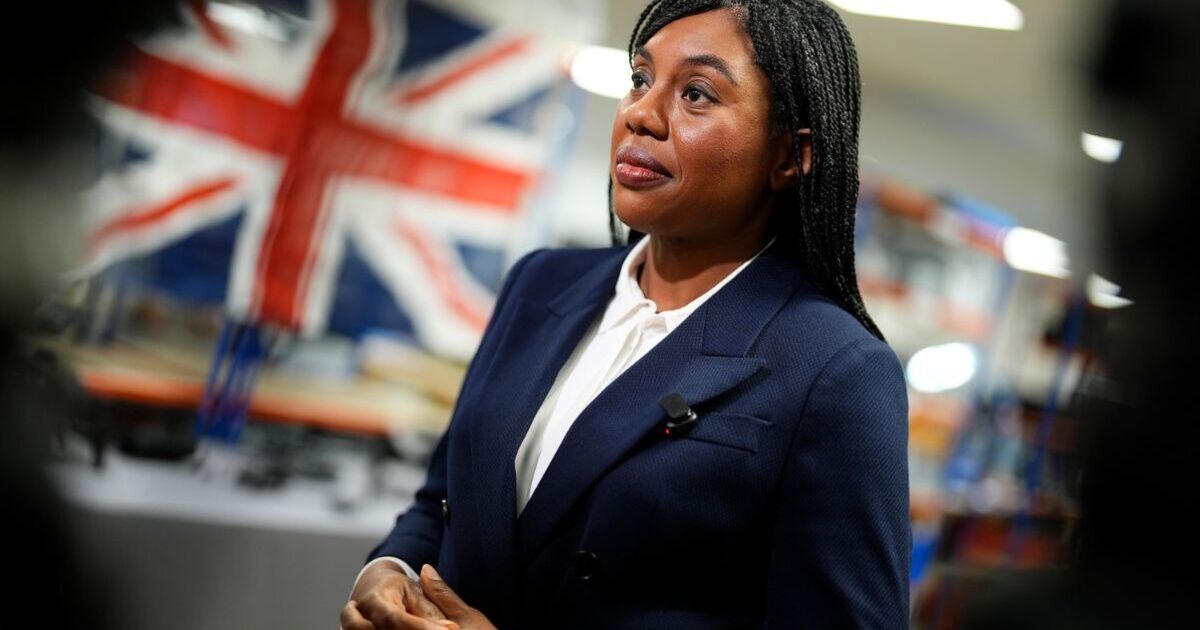
Which brings us to the second test: the inevitable whispers about replacing Kemi Badenoch. Already MPs were in a seditious mood before 2025’s party conference, and they shall no doubt be sharpening their knives again after May. But have the Conservatives learned nothing from the Boris-Liz-Rishi carnival of catastrophe? Voters despise regicide and they loathe parties that devour their leaders like Cronus eating his children.
Whether MPs have noticed or not, Mrs Badenoch is doing something quite significant. She is articulating a coherent Conservative vision: small state, free markets, backing strivers over shirkers. This is ground no other party occupies. Labour has morphed into a high-tax, high-spend behemoth. The Liberal Democrats appear to have gone mute. Reform seems to be banking on the protest-vote and have yet to lay out a serious policy infrastructure.
The Tories going back to their Thatcherite roots is not a retreat, it is a long-overdue rediscovery. Arguable it is what they should have been doing all along instead of aping Labour-lite managerialism. Mrs Badenoch may not be perfect, but she represents something authentic – replacing her after poor local elections would be an act of supreme foolishness.
The third test is the most dangerous: the siren call of a Reform-Tory pact. A deal is a deeply divisive topic on the back bench. Some suggest a deal is essential if May goes as badly as they predict, others say the faustian bargain would be “suicidal”.
Reform wants to annihilate the Conservative Party, and they are not shy about admitting it. To be frank, they have nothing to gain from a pact, after all it is Tory votes they need to hoover up if they intend to establish themselves as the Right’s natural home. Meanwhile, the Conservatives need to win back Reform voters without surrendering their identity.
Any deal would therefore have to be struck on Reform’s terms. The Tories would be the junior partner, the supplicant, the desperate has-been clinging to relevance. One MP put it perfectly: doing a deal with Reform would kill the Conservative Party.
The path forward is clear, if unpleasant. Weather the May storm and stick with Mrs Badenoch. Articulate a proper Conservative vision and stop chasing votes by triangulating into mush. The next general election is years away. That is time enough to rebuild, if the party does not blow itself up first.
The Tories have three tests. The challenge is not passing them. The challenge is resisting the urge to fail them deliberately.