Critics say changes could lead to silencing ‘offensive’ speech
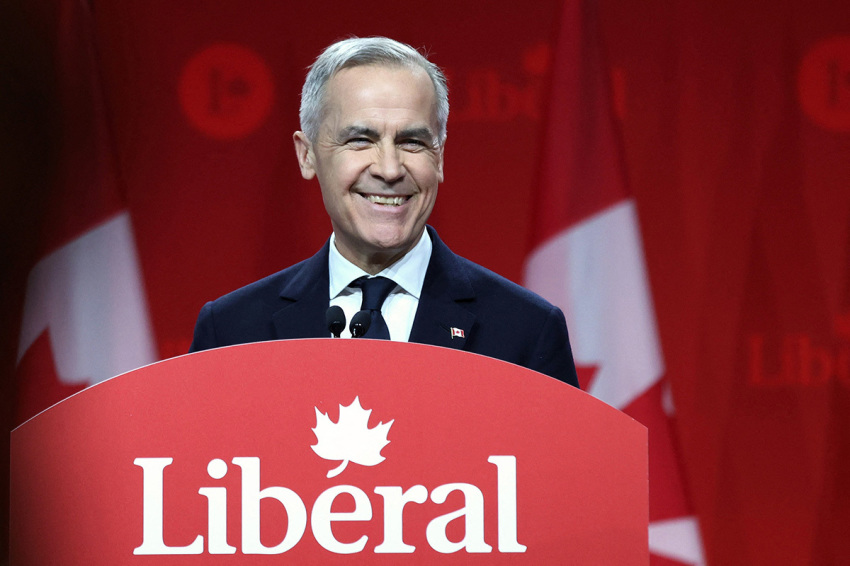
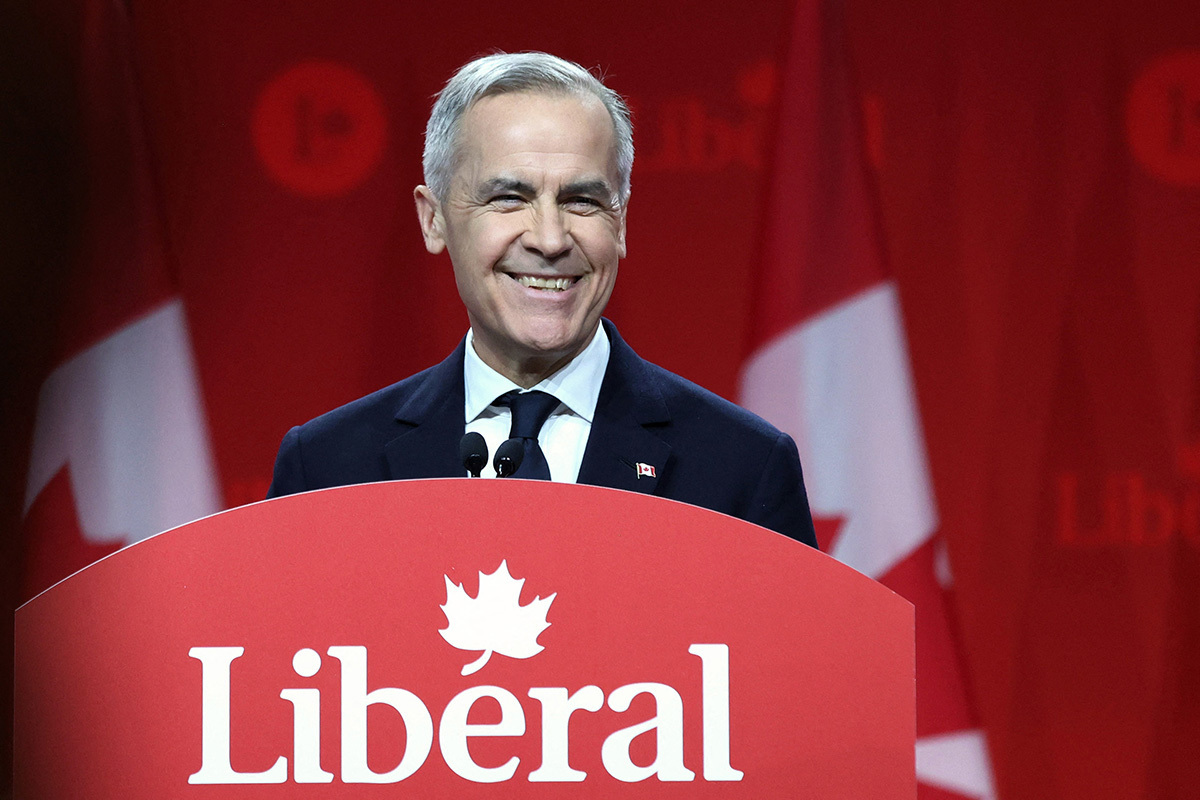
Canadian legislators are on the cusp of eliminating key religious protections from the nation’s hate speech statutes, potentially paving the way for prosecutions over biblical teachings on marriage, sexuality and other faith-based views.
Under a reported bipartisan deal between the ruling Liberal Party and the Bloc Québécois, religious exemptions from Canadian hate speech laws would be eliminated in order to advance support for Bill C-9, which would criminalize the display of the Nazi swastika and other antisemitic expressions.
Canadian law currently exempts any hateful or antisemitic speech “expressed or attempted to establish by an argument an opinion on a religious subject or an opinion based on a belief in a religious text.” Such speech is also exempted when it is “intended to point out, for the purpose of removal, matters producing or tending to produce feelings of hatred toward an identifiable group in Canada” or if “they expressed or attempted to establish by an argument an opinion on a religious subject or an opinion based on a belief in a religious text.”
In Canada, anyone who makes any statement “other than in private conversation” which “willfully promotes antisemitism by condoning, denying or downplaying the Holocaust” faces up to two years in prison if convicted.
If Bill C-9 is passed, it would expand Canada’s hate speech laws to criminalize the display of the Nazi swastika and any symbol for the Nazi SS regime, and would repeal the requirement of the Canadian attorney general to approve the prosecution of “hate propaganda offenses,” which some advocates say is a key legal safeguard.
While supporters say the changes are critical after an upsurge in hate crimes and antisemitic incidents following the Oct. 7, 2023, attacks by Hamas against Israel, Canada’s Conservative Party warns Bill C-9 “removes important safeguards” and “lowers the legal standard for ‘hatred,'” which the legislation defines as “the emotion that involves detestation or vilification and that is stronger than disdain or dislike.”
“The Liberals are about to criminalize religious belief in Canada,” Parliament Member Michelle Rempel Garner of the Conservative Party said in a video Monday. “I know it sounds like this can’t be happening, but it is. … Regardless of how you vote, if this passes, freedom of religious belief is what makes Canada Canada. They are about to try and stop that.”
In addition to political opposition, Christian groups have also warned legislators against prosecutorial overreach under Bill C-9.
Last month, Ontario-based Christian Legal Fellowship (CLF) said the bill’s revised definition of “hatred” could not only result in a definition so “nebulous and unclear that it makes prosecutions difficult, and enforcement ineffective,” but also be used to “silence speech that is not hateful but rather hated by those who deem it offensive, and wish to suppress it.”
“Determining what constitutes ‘hate’ or ‘hatred’ can be inherently subjective and laden with value judgments, and susceptible to misuse or misinterpretation,” read CLF’s statement to the Standing Committee on Justice and Human Rights in October.
“Parliament’s response to hatred must therefore strike a careful balance, lest well-meaning government restrictions undermine Canada’s constitutional commitments to freedom, equality, and pluralism.”
According to the latest data from 2024, Jewish Canadians were the most targeted religious group that year, with nearly 70% of over 1,300 reported hate crime incidents motivated by religion, according to a July Statistics Canada report.
Christine Van Geyn, the litigation director of the Canadian Constitution Foundation, contends that the changes to Bill C-9 aren’t “combating hate” but rather “criminalizing faith.”
“Throughout the justice committee’s hearings, Bloc MPs fixated on this defence. Their central example, repeated to nearly every witness, was a group prayer delivered by controversial imam Adil Charkaoui at a Quebec pro-Palestinian rally in 2023,” Van Geyn wrote in an op-ed Thursday for National Post. “In that prayer, Charkaoui asked God to ‘kill the enemies of the people of Gaza’ and take care of the ‘Zionist aggressors.'”
“[O]ne inflammatory prayer at a political rally is not a justification for dismantling a safeguard that protects millions of Canadians from state intrusion into matters of faith,” she continued. “[E]ven beyond constitutional risk, removing the defence is a profound moral and civil liberties mistake. We should not want, let alone empower, prosecutors to criminalize any form of prayer.”
Sacred texts across various faiths “contain pleas for justice against enemies, metaphors for divine retribution and expressions of anguish, symbolism and cosmic struggle,” she stated.
“This is not the realm of the police. If the state begins parsing Psalms or Hadiths line-by-line in a courtroom, then we have forgotten why the Charter exists at all.”
In February 2024, David Cooke, campaigns manager with the pro-life group Campaign Life Coalition, warned similar legislation could muzzle evangelism outreaches.
“No longer will we be allowed to share God’s design for human sexuality and marriage in public. No longer will we be able to speak out in the name of God against drag shows for kids, child drag, or child sex change,” Cooke said. “All this could be misconstrued as ‘hate speech’ against the LGBT community. Even our pro-life message could be spun as a ‘hate crime’ against women.”