A PRIEST from the Democratic Republic of the Congo (DRC) who is seeking asylum in the UK has described the “mass extermination” of his people, the Banyalmulenge, who have close links to the Rwandan Tutsi population massacred in the Rwandan genocide.
Although a peace deal was due to be signed by leaders of the DRC and Rwanda, under the auspices of President Trump, in Washington yesterday, the priest, the Revd Jean Gisole, said that he expected little change for his people on the ground, who were besieged and starving.
The Banyamulenge are traditionally cattle herders, speak their own language, and, despite being settled in the eastern DRC for hundreds of years, are viewed as “foreigners”. Attacks on them go back decades. They are not entitled to full citizenship of the DRC.
The origin of the current, deeply complex conflict can be traced back partly to the Rwandan genocide in 1994, in which about 800,000 Tutsis were slaughtered by Hutu extremists. After the genocide, about one million Hutus fled to the DRC in fear of reprisals, stoking tensions with the already marginalised Banyamulenge.
A new wave of violence against the Banyamulenge began in 2017. Hundreds of villages have been destroyed and many civilians have been killed in violence carried out by armed groups.
The UN reported last week that nearly 172,000 displaced people are currently blockaded into one area of South Kivu, with no access to medicine and little food. At the Minembwe General Hospital, South Kivu, between July and September, 15 children died of malnutrition.
Mr Gisole was fled to the UK two years ago after being detained by DRC troops for several days and accused of working with the M23 militia, a group made up largely of Tutsi who oppose the DRC government and are believed to be funded by Rwanda. After lobbying by the Bishop of Bukavu, he was eventually freed and sought asylum in the UK with his wife. His claim was rejected initially, but he has lodged an appeal.
Mr Gisole’s church in Bukavu, the Christ Roi Anglican Church, continues to meet, and serves people displaced by violence. Most members of its congregation are women and children left destitute by the conflict.
He said this week: “We need prayer. We need advocacy. We need people to raise a voice for the Banyamulenge people. Those who are doing the genocide are stopping everything that people need. Our people are in a small tents. They don’t have the right to go anywhere.”
Mr Gisole’s five teenage children are still in DRC, looked after by his parents and living on donations from UK supporters.
He and other displaced Congolese in the UK have compiled an inventory of the attacks on their people in South Kivu. Their report says that a “mass extermination” of the Banyamulenge is under way, and that sexual violence, abduction, and assassinations are used “systematically, with the complicit involvement of the government and the security forces”.
The UN said that, across the whole of the DRC, 25.5 million people were experiencing severe food insecurity, and 50 per cent of the under-fives were suffering from chronic malnutrition.
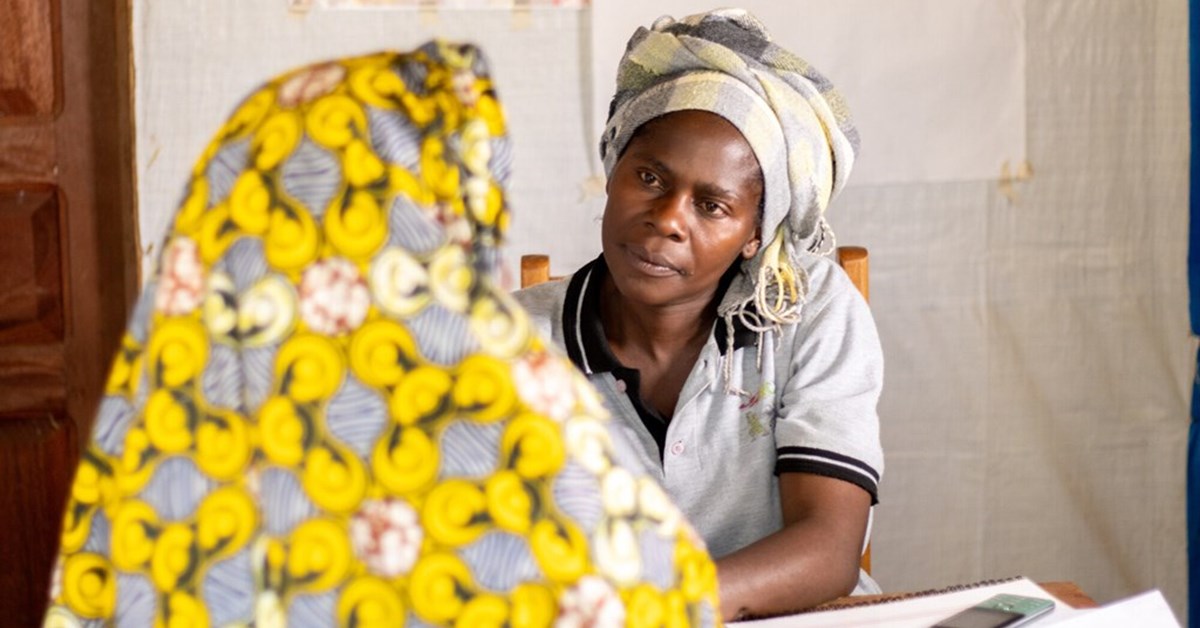
The plight of people living in the east of the DRC is the focus of Christian Aid’s Christmas appeal. The charity says that the humanitarian crisis is one of the world’s largest and most urgent, and that women are particularly badly affected, since sexual violence is endemic.