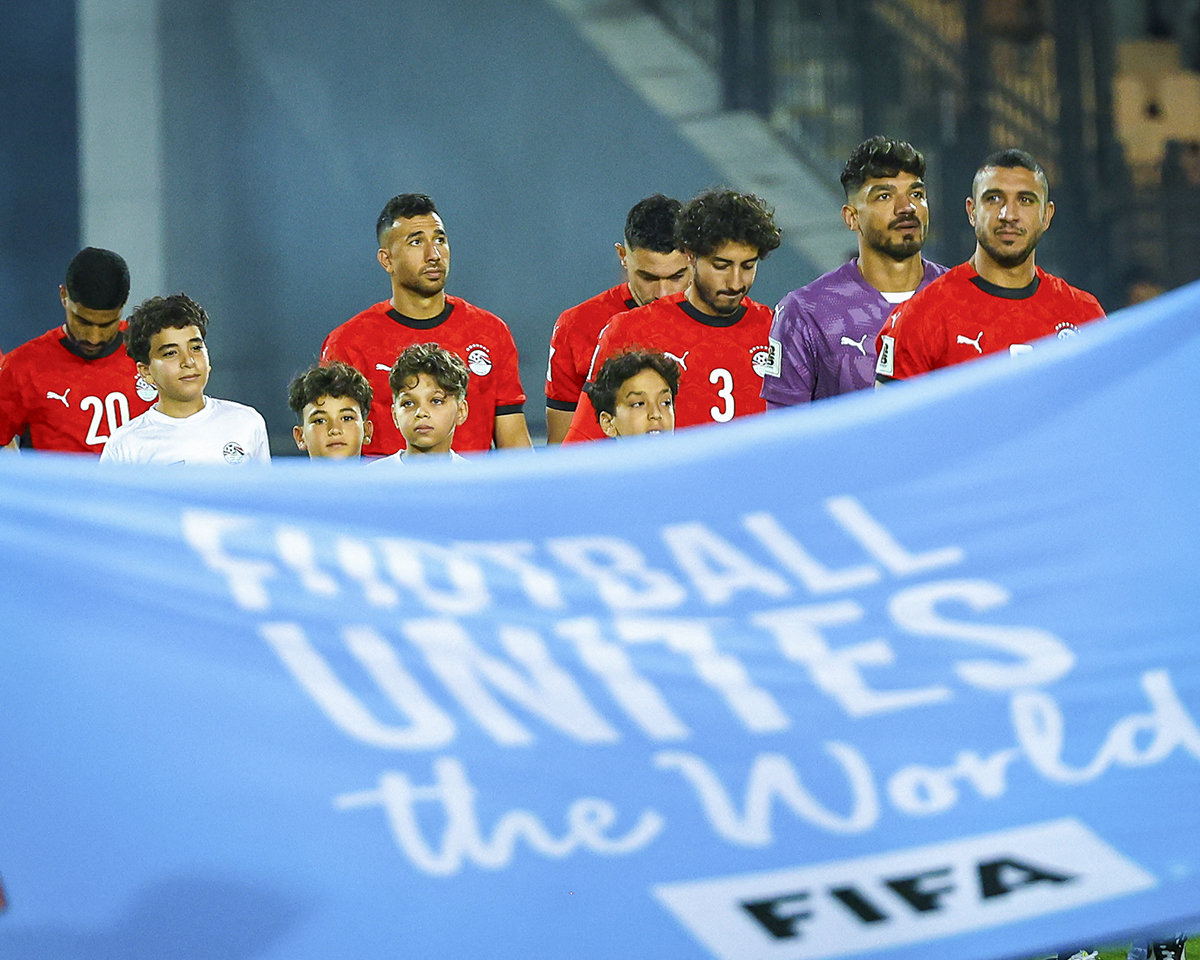
FIFA’s World Cup “Pride Match” in Seattle, Washington, next June is slated to feature a game between Iran and Egypt, two countries where homosexuality is illegal.
Mehdi Taj, who serves as head of Iran’s Football Federation, was quoted in a local Iranian outlet claiming that both countries have objected to participating in a match named for behavior they find objectionable, according to Al Jazeera.
Taj reportedly claimed the name of the match is an “irrational move that supports a certain group.” The Iranian government is expected to appeal to FIFA regarding the name, according to Iranian state media, and the Egyptian Football Association has reportedly also complained.
While homosexuality is not explicitly outlawed in Egypt, it can be prosecuted and lead to imprisonment under public morality laws prohibiting “debauchery.” Homosexual behavior in Iran is explicitly illegal under the Islamic regime and potentially punishable by death.
The pride-themed World Cup fixture, which was organized before the World Cup draw by a local Seattle committee independent of FIFA, will take place at Lumen Field on June 26 and display artwork advocating LGBT ideology, according to the BBC.
The match is scheduled to coincide with the Friday of pride weekend in Seattle, which celebrates pride month each June with a series of events, including lavish parades.
The Seattle Pride Match Advisory Committee told Outsports, an LGBT news outlet, that there are presently no plans to change the theme of the match.
“The Pride Match has been scheduled to celebrate and elevate Pride events in Seattle and across the country, and it was planned well in advance,” a spokesperson for the committee said.
“Soccer has a unique power to unite people across borders, cultures, and beliefs. We are honored to host a Pride Match and to celebrate Pride as part of a global football community.”
“This match reflects our ongoing commitment to respect, dignity and unity for all.”
The 2026 FIFA World Cup will be hosted jointly by the U.S., Canada and Mexico, with 11 U.S. cities hosting, three Mexican cities and two Canadian cities.
Previous World Cups have faced hurdles regarding LGBT issues because of countries that clamp down on the behavior.
During the 2022 World Cup tournament in Qatar, where same-sex relationships are also illegal, FIFA warned that any player wearing the OneLove armband in support of LGBT ideology would be given a yellow card.
Several teams, such as England and Wales, reportedly intended to wear the armband but abandoned the plans after the warning.
That same year, English soccer fans were prohibited from wearing chainmail Crusader costumes during their country’s matchup against the U.S. after FIFA warned such clothing could be considered “offensive against Muslims.”
Jon Brown is a reporter for The Christian Post. Send news tips to jon.brown@christianpost.com