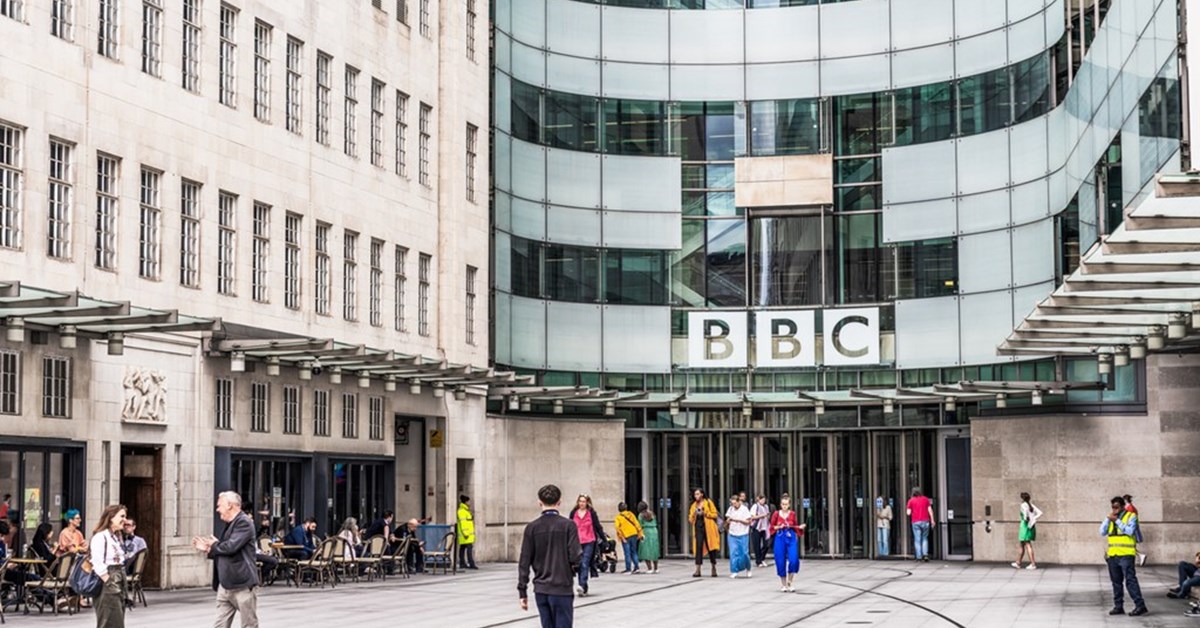
THE Sandford St Martin Trust has welcomed the review by the Culture Secretary, Lisa Nandy, of the BBC’s Royal Charter, but recommended reinstatement of the Corporation’s obligations to represent the UK’s diverse belief communities.
In a statement on Tuesday, the Trust called for “formal opportunities for representatives of faith communities to participate meaningfully in the public consultation as part of the Charter Review”.
It also urged the BBC to commit itself to commissioning and making available “programming and content that reflect the full diversity” of the UK. It cited 2023 Ofcom data, which included the finding of a 42-per-cent decline between 2010 and 2022 in the time devoted to religion and ethics programmes by public-service broadcasting networks.
“This included near-zero provision from Channels 4 or 5, raising concerns about religious literacy, cultural understanding and representation,” the Trust said.
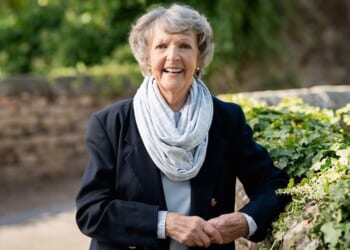
The Trust’s executive director, Anna McNamee, said: “In a world that is becoming ever more polarised, and where the media landscape is increasingly fractious and factionalised, the BBC’s commitment to the informed representation of faith has never been more critical.”
She continued: “Religion is a driving and defining force for much of the world’s population. . . A religiously literate media is essential if we are to engage with these complexities.”
Governments review the BBC Charter every ten years, and the review includes a public consultation, which closes on 10 March 2026. A draft of the new Charter is due to be published and debated in Parliament before the current Charter expires in December 2027.
In a statement on Tuesday, Ms Nandy said that “we want the BBC to continue to enrich people’s lives, tell Britain’s story and showcase our values and culture at home and overseas, long into the future.”
Shortly before the review was announced, President Trump filed a lawsuit against the BBC for $10 billion in damages for its editing of his speech on 6 January 2021 shortly before his supporters stormed the Capitol in Washington, DC.
The Director General of the BBC, Tim Davie, and the Head of BBC News, Deborah Turness, resigned over the matter last month (Comment, 14 November).