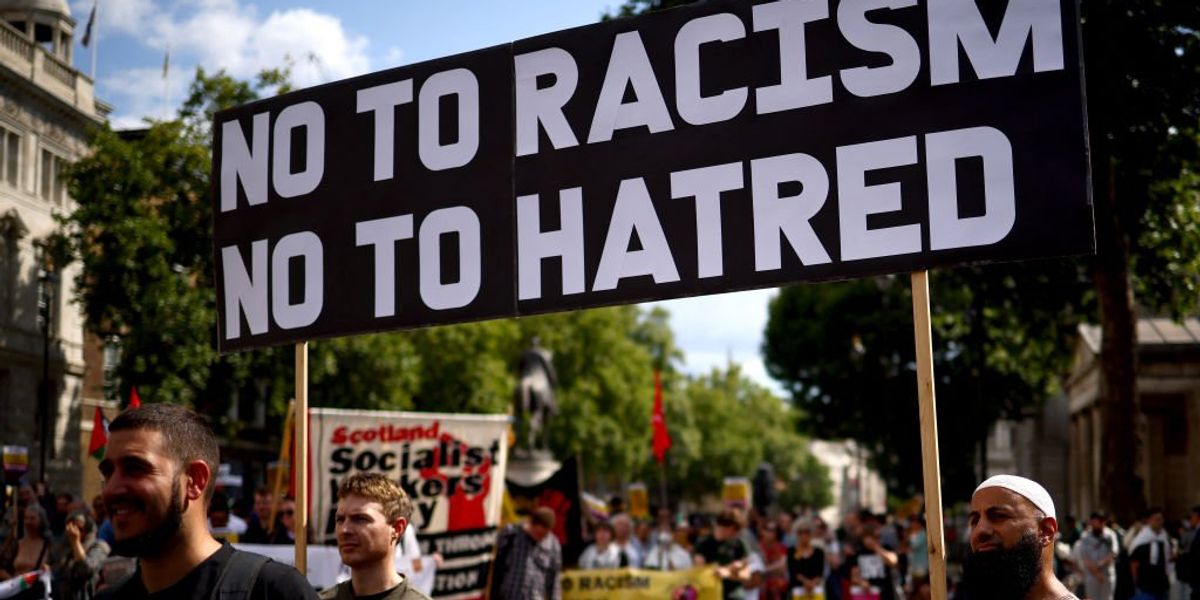
Labour is under mounting pressure over a new Government-backed definition of “anti-Muslim hatred” after a petition was sent to MPs calling for the plans to be scrapped.
It comes amid warnings the definition could shut down honest discussion about grooming gangs and repeat the same failures that allowed abuse to go unchecked for years.
The petition has been launched by INSIGHT UK, a social movement which aims to foster ethnic integration in the UK.
A representative for INSIGHT UK said: “This is a slippery slope for Britain: we are opening different rules for different religions, which makes a mockery of our equality and discrimination principles. Any hatred or hostility based on religion is contrary to British values. However, this direction of travel may make things worse by increasing the division between groups. This is not a good day for British democracy as it is being introduced through the back door.”
Signatories of the petition — which include the likes of Bob Blackman, chairman of the 1922 Committee of backbench Conservative MPs, and former Tory MEP David Campbell Bannerman — are urging MPs to step in after campaigners warned the proposed definition risks creating a climate of fear, where people are afraid to speak out on sensitive issues for fear of being branded “Islamophobic”.
The backlash comes after it emerged ministers are considering adopting a draft definition drawn up by a special working group chaired by former Conservative Attorney General Dominic Grieve.
Ministers are reported to be finalising the wording and consulting stakeholders, despite the fact the definition will not be debated or voted on in Parliament.
Although the definition would not be enshrined in law, critics fear it could still shape how councils, schools, police forces and other public bodies handle complaints, speech and criticism of Islam.

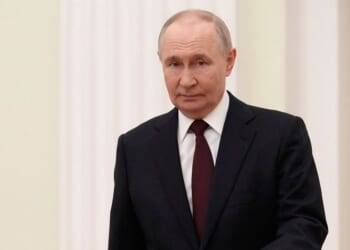
Dominic Grieve chairs the working group
|
GETTYCampaigners say, in practice, it could operate like a soft blasphemy rule, discouraging people from raising legitimate concerns about crime, culture or safeguarding.
Those fears are sharpened by grooming gangs scandals across the UK.
Baroness Casey’s official report into grooming gangs found fear of being labelled “Islamophobic” was one reason authorities failed to act sooner, allowing abuse to continue unchecked.
Labour MP Sarah Champion, one of the few politicians to speak out early about grooming gangs, was later shortlisted for “Islamophobe of the Year” by the Islamic Human Rights Commission.

Sarah Champion, one of the few politicians to speak out early about grooming gangs, was later shortlisted for “Islamophobe of the Year” by the Islamic Human Rights Commission
|
HOUSE OF COMMONSCritics warn the proposed definition could deepen that effect, making it harder for professionals, journalists or whistleblowers to raise uncomfortable questions.
At the centre of the row is a draft definition now being considered by the Ministry of Housing, Communities and Local Government.
The definition avoids the word “Islamophobia” but focuses on what it calls “anti-Muslim hostility”.
It sets out three broad types of behaviour directed at Muslims that could fall under the label: the first covering criminal acts such as violence or intimidation online and in person, the second being the ‘stereotyping’ of Muslims to stir up hatred, and the third detailing “discriminatory practices” and biases which are seen to disadvantage Muslims.
The working group met recently to consider proposed changes from Whitehall officials.
Some commentators believe one of the most contentious points is the inclusion of the word “racialisation”, which critics argue is vague and open to interpretation.
Free speech campaigners say the language as a whole is unclear and could be stretched far beyond violent abuse into legitimate debate.
The Crown Prosecution Service notes “hostility” is not defined in law, meaning it can be interpreted subjectively.
Conservative peer Lord Toby Young, Director of the Free Speech Union, warned the move is unnecessary and could backfire.
“The definition is unnecessary because it’s already a criminal offence to stir up religious hatred and unlawful for employers or service providers to discriminate against people on the basis of their religion or belief,” he said.
“Granting Muslims additional protections not extended to people of other faiths will have the effect of increasing anti-Muslim hostility, not reducing it.”
Reform UK’s Sarah Pochin MP added: “This petition is laudable. The draft guidance fails to address the fundamental issues in our society. Instead of putting the onus on radical Islam, extremist preachers, and serious cultural differences, it seeks to curtail free speech for ordinary Brits. While politicians continue to fret over hurt feelings and ‘stirring hatred’ through what is normally honest debate, radical Islam advances unchecked, and our country becomes more dangerous.”
Muslim figures have raised further concerns. Fiyaz Mughal, founder of Tell MAMA, which monitors anti-Muslim incidents, warned: “Any definition that marks out one community is going to cause major social divisions.”
Campaigners behind the petition argue Britain already has strong laws protecting everyone from religious hatred and discrimination.
They say introducing a special definition risks giving one group extra protection while others — including Christians and Jews, as well as atheists — are left under general rules.
“Britain already has a tradition of religious freedom,” the petition says, noting surveys show “nine out of ten people in the UK are comfortable around those with different religious beliefs, more than anywhere else in Europe”.
Baroness Gohir, a member of the working group, defended the definition, saying it strikes “the right balance” by “safeguarding individuals while avoiding overreach”.
She added: “The definition also recognises Muslims are frequently targeted not only for their beliefs but also because of their appearance, race, ethnicity, or other characteristics.”
Mr Grieve insisted free speech would not be harmed, saying: “The review done by the working group is within a framework that makes it clear that no definition of anti-Muslim hatred should have an adverse impact on freedom of expression under law including the right to criticise Islam and its practices.”
Ministers say they are proceeding cautiously. A Government spokesman said: “With all hate crime on the rise and anti-Muslim hate incidents at a record high, we are tackling hatred and extremism wherever it may occur. We will always defend freedom of speech, this remains at the front of our minds as we carefully consider the recommendations.”