BIBLICAL accounts of families crossing lands to escape food shortages found contemporary echoes in 2025, with hundreds of thousands of people in the Middle East and Afghanistan displaced by drought and hunger, World Vision reports.
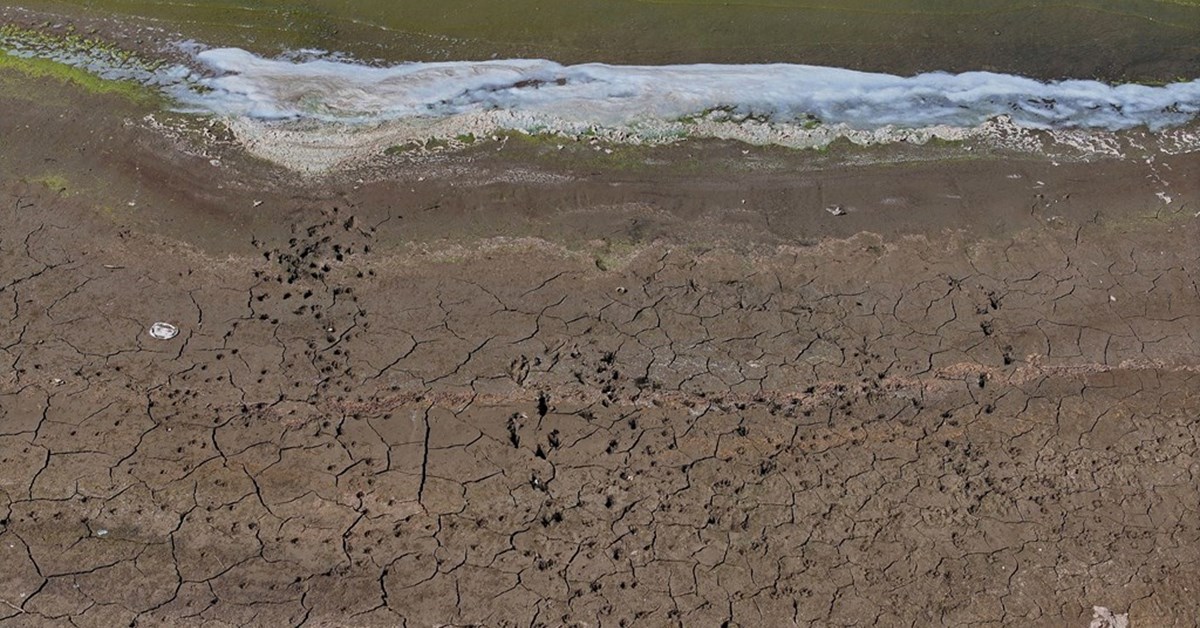
Iraq is undergoing one of its worst droughts in decades, the aid agency’s report, Children on the Brink, records. More than one million people are displaced — including 168,000 owing to “climate shocks” — while water reserves have “plummeted”, and below-average harvests are threatening livelihoods, migration, and stability.
Lebanon is experiencing its most severe drought on record. Rainfall levels have dropped by more than half, and reservoirs have reached historic lows. More than 40 per cent of the population is now reliant on water trucking, while nearly one third face acute food insecurity.
In Afghanistan, severe droughts and flooding displaced nearly 400,000 people in early 2025. It is estimated that 17.5 million people are in food crisis, and nearly two million are facing a food emergency, driven by factors including economic collapse and cuts in aid.
The report, released last month, says that, in the West Bank, “severe restrictions on land and water access, damage to infrastructure, and escalating protection risks are deepening hunger and malnutrition.” In Syria, one million people are “food insecure”.
It warns: “The Middle East and Afghanistan are approaching a critical tipping point as drought conditions intensify rapidly across the region. Rising temperatures, prolonged dry periods, and chronic water-management challenges, are driving alarming levels of food and water insecurity.
“Close to 50 million people in the Middle East and Afghanistan are experiencing high levels of acute food insecurity that threaten their wellbeing and survival.”
Alongside internal and cross-border displacement, the risk of “deepening tensions between communities” is rising, the report continues. “Children and already vulnerable families are being pushed to the brink, resorting to negative coping mechanisms to secure the food, water, and shelter needed for their survival.”
World Vision’s response in the region includes restoring watersheds using earth and stone structures to increase water retention, recharge groundwater, and improve year-round availability. It is also promoting what it describes as “climate-smart technologies”, including drip irrigation, also called trickle irrigation; drought-tolerant seeds and livestock; and training in agroecological and conservation agriculture practices.
The reports warns, however: “The scale and pace of drought demand unified action from national authorities, international donors, and local communities. Only through collective investment and collaboration can we mitigate the deepening impacts and secure resilient futures for children and their families.
“Failing to act now will leave millions of children exposed to escalating climate-driven risks that will shape their futures for decades to come.”
Last month, the World Meteorological Organization’s first State of the Climate in the Arab Region report recorded that a number of countries in the region had temperatures of above 50°C (122°F) in 2024. The agency’s Secretary-General, Celeste Saulo, said that the high temperatures were pushing society to the limits.
“It is simply too hot to handle. Human health, ecosystems and economies can’t cope with extended spells of more than 50ºC. Droughts are becoming more frequent and severe in one of the world’s most water-stressed regions. And at the same time, we have seen some disruptive and dangerous deluges.”
The region “stands on the front lines of climate change”, the agency warned.