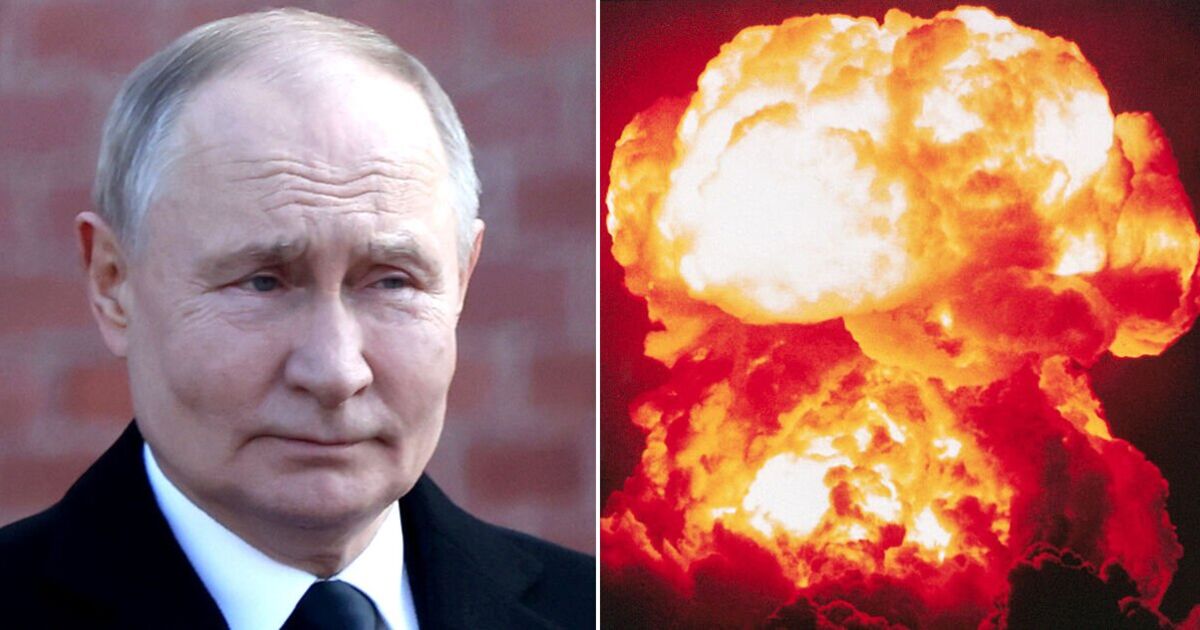
The Bulletin of the Atomic Scientists is preparing to unveil the 2026 setting of the Doomsday Clock, a symbolic measure of how close humanity is to global catastrophe, with the announcement scheduled for January 27.
The new time will be revealed during a live, in-person news conference at 10:00 a.m. ET (1500 GMT), which will be streamed on the Bulletin’s YouTube channel. The organization has invited the public to sign up for email alerts to receive reminders and its twice-weekly newsletter covering issues that influence the Clock’s position.
Why the clock matters
In 2025, the Doomsday Clock was set at 89 seconds to midnight, the closest it has ever been in its 78-year history. The time is determined by the Bulletin’s Science and Security Board (SASB), a group of internationally recognized experts focused on nuclear risk, climate change, and emerging technologies. The decision is made in consultation with the Bulletin’s Board of Sponsors, which includes eight Nobel Laureates.
The Clock is designed as a dramatic warning tool, intended to show how close humanity is to self-destruction through dangerous technologies. It serves as a metaphorical reminder of the threats that require urgent attention if the planet and its inhabitants are to survive.
Five reasons the clock could move closer to midnight
Since its creation 75 years ago, nuclear weapons have consistently been identified as the greatest danger to humanity. This risk peaked during the Cold War, when the United States and the Soviet Union were locked in a nuclear arms race that threatened global annihilation.
Over time, the Bulletin expanded its focus. Since 2007, experts have also considered climate change and disruptive technologies when deciding where to set the Clock.
All five major concerns currently influencing the Clock relate to nuclear weapons and their growing threat to global survival.
1. Nuclear arms treaty set to expire
The final remaining arms-control treaty between the United States and Russia is due to expire in February. Both nations are modernizing their nuclear forces, including new warheads, bombers, missiles, and submarines. Both Washington and Moscow have signalled little appetite for renewing or replacing the agreement, raising fears of an unchecked arms race. Analysts warn the absence of binding limits could lead to increased deployments and heightened mistrust between the world’s two largest nuclear powers.
2. Growing nuclear stockpiles worldwide
China is rapidly increasing its arsenal and is expected to match the number of intercontinental ballistic missiles held by the US or Russia by the end of the decade. North Korea continues to prioritize nuclear development, while India and Pakistan are advancing delivery systems capable of carrying multiple warheads. Russia is pursuing a wide-ranging modernization programme and has reportedly stationed nuclear weapons in Belarus. The United States is expanding its non-strategic nuclear weapons and building new production facilities. The United Kingdom has raised its warhead limit and is developing new submarines and warheads. Israel is believed to be upgrading its nuclear infrastructure, including plutonium production facilities.
3. The Trump factor
The US President has reduced one risk by ordering strikes on Iran’s nuclear facilities, delaying its potential to build a bomb. However, his approach has also increased proliferation risks by weakening trust among traditional US allies, who may now doubt the protection offered by the American “nuclear umbrella.”
4. Rising demand for nuclear weapons
With conflicts and flashpoints spanning Ukraine, Iran, Venezuela, Greenland, and beyond, more countries are weighing the option of acquiring nuclear arms. Iran has breached limits set by the 2015 nuclear deal by producing 60%-enriched uranium. South Korea and Japan are viewed as latent nuclear states, while Saudi Arabia has suggested it would pursue nuclear weapons if Iran does. Poland has also shown openness to hosting US nuclear weapons to counter Russia.
5. Fears of renewed nuclear testing
There are growing concerns that the US may abandon the long-standing moratorium on nuclear testing. If Washington resumes explosive tests, it is widely believed that China, Russia, and other nuclear powers would follow. At the same time, major powers are developing faster and more maneuverable missiles and expanding military ambitions into outer space. Experts have also warned that artificial intelligence could make weapons more “autonomous” and dramatically shorten decision-making time during a nuclear crisis.