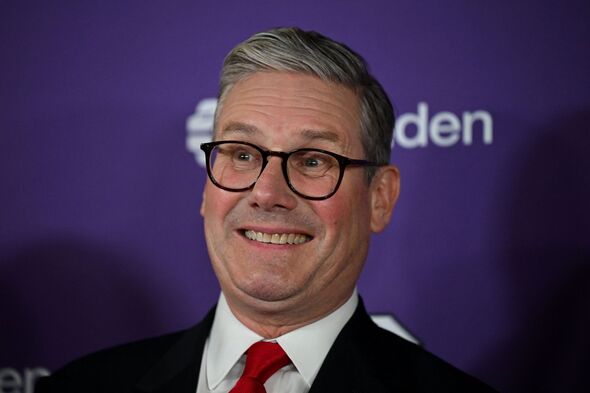
Four million people are to be denied the vote in May’s local election (Image: Getty)
Four million people are set to be denied the vote in May’s local elections in what the Tories and Reform UK have slammed as a “disgraceful attack on democracy” by Labour. The Government is expected to cancel at least 27 council elections, meaning hundreds of councillors will avoid the risk of being voted out, reports The Telegraph.
The Tories and Reform UK accused Sir Keir Starmer of “running scared” of the electorate at a time when polls show a collapse in support for Labour . Nigel Farage‘s party will on Thursday launch a judicial review in an attempt to make the elections go ahead.
According to the report, the Prime Minister is relying on an obscure clause in the 2000 Local Government Act which gives his ministers the power to delay votes. More than 20 councils have confirmed delays – three quarters of which are Labour run. Seven more Labour councils are expected to join them, leaving a total of 3.7 million people disenfranchised. Some councils will cancel elections for the second year running, meaning councillors will stay in office for seven years without having to be re-elected.
The Government claims that it needs to give some councils the option of delaying elections because they are facing major restructuring under a programme to abolish some district councils and introduce mayoralties. But the independent watchdog, the Electoral Commission, has suggested this does not constitute the sort of “exceptional circumstance” that would justify postponement.
Read more: Lucy Connolly warned of possible prison return over Keir Starmer posts
Read more: Starmer red-faced as controversial Chinese ‘super embassy’ faces legal challenge
Cleverly: ‘Labour are denying democracy’
James Cleverly, the shadow local government secretary, said: “It cannot be right that some elected representatives will now be serving seven-year terms. Residents have a right to choose who represents them, and the Government must respect that right. Labour are denying democracy and running scared of voters’ verdict on their appalling leadership. Having promised elections would go ahead, they have U-turned again. We voted against delaying elections last year and we will do so again. Democracy must prevail and voters must be able to make their voices heard.”
Nigel Farage, the Reform UK leader, was among those who backed a law change, and his party will launch a judicial review to force the Government to go ahead with elections. His party’s lawyers will accuse Steve Reed, the Communities Secretary, of an “abuse of power” and said the 2000 Act does not give him the power to change the years of elections due to reorganisations.
The decision to cancel elections has triggered widespread unease in Sir Keir’s party. Last month, Jim McMahon, the former local government minister, criticised plans to delay mayoral elections, saying his own government needed to “be better.”
Corina Gander, leader of Broxbourne Council – one of those that turned down the opportunity to delay its election – said Labour were “afraid of the ballot box”. She said: “The Government, in my opinion, wants May’s elections cancelled because they know it’s unlikely they are going to win or retain many seats. Rather than saying we are cancelling them, they have tried to make us a scapegoat so that we turn around and say ‘we don’t want elections to go ahead’. My message has been clear since day one. I believe in democracy and that we should go to a vote.”
Labour councillor ‘angry’ at government
Kim Taylor, a Labour councillor on Tory-run Hampshire county council, which has rejected a delay, said she was “angry” at the Government for putting councillors in the position of having to decide on delaying elections. She said: “I found myself frequently torn and plagued by guilt when thinking about having to choose between democracy and the potentially horrific outcomes if the local government review transition did not go smoothly.”
A source close to Mr Reed said: “This is sensible stuff – councils are being reorganised to free up money for things that people really care about, like social care or fixing pot holes. They may need to delay elections where old councils are being abolished so we can move faster on elections to the new councils that will replace them. If opposition parties want to use this to score political points the only people that will suffer are taxpayers – whose money will be spent on unnecessary elections rather than front-line services.”