IS THE Islamic Republic of Iran finally on the brink of a counter-revolution? The theocratic regime in Tehran must fear that. Anti-government protests on an unprecedented scale have been met with a crackdown of unprecedented brutality by the mullahs and their henchmen. Thousands of people have been killed.
Yet the cycle of protest, followed by repression, is all too familiar in Iran. So, how can anyone pronounce that “we are now witnessing the final days and weeks of this regime”?
In his book on the fall of the Shah in 1979, the celebrated Polish reporter Ryszard Kapuscinski suggests that no one really understands what is the exact trigger for the end of a despotic regime. In fact, history repeatedly suggests that the collapse of an authoritarian system comes when several pressures converge: a failure of political legitimacy, widespread popular discontent, the emergence of a viable alternative, pressure from outside, and splits within the repressive elite.
The legitimacy of the Islamic Republic has been challenged repeatedly — in 1999, 2009, 2019, and 2022 — in protests over economic inequality, dodgy elections, fuel prices, and the rights of women. Today, the trigger is the regime’s handling of the economy, with inflation at 42 per cent, the price of bread doubled, and unaffordable spikes in the cost of chicken and cooking oil. Pay is low. Taxes are high. The Iranian rial has plummeted by 80 per cent.
It is not only the poor who are protesting. The demonstrations were begun by comparatively affluent merchants in the Grand Bazaar — and then spread to the impoverished towns. Hundreds of thousands of people took to the streets in 585 locations, across 186 cities, in 31 provinces. The protests spanned classes, generations, and geography. Initially focused on the economy, the marchers swiftly began chanting anti-government slogans, and even calling for the return of the son of the Shah.
Decades of repression have, however, deprived protesters of any obvious replacement government. Suitable candidates have been imprisoned, exiled, or murdered. And, although military action by the United States and Israel has seriously weakened the power of the mullahs’ proxies in Hamas and Hezbollah, it is unclear at the time of writing how concrete will be President Trump’s promise to protesters that “Help is on its way.” His announcement of swingeing tariffs on nations that trade with Iran could do ordinary Iranians more harm than good. It also allows Tehran to brand internal critics as American and Israeli stooges.
The crucial component in the collapse of a despotic regime, history suggests, is the emergence of disunity at the top. Authoritarian governments survive protests if politicians and their security forces remain unified. In the city of Abadan, the regime’s police units apparently laid down their arms and joined the protesters, but otherwise no cracks have appeared between the key pillars of the establishment.
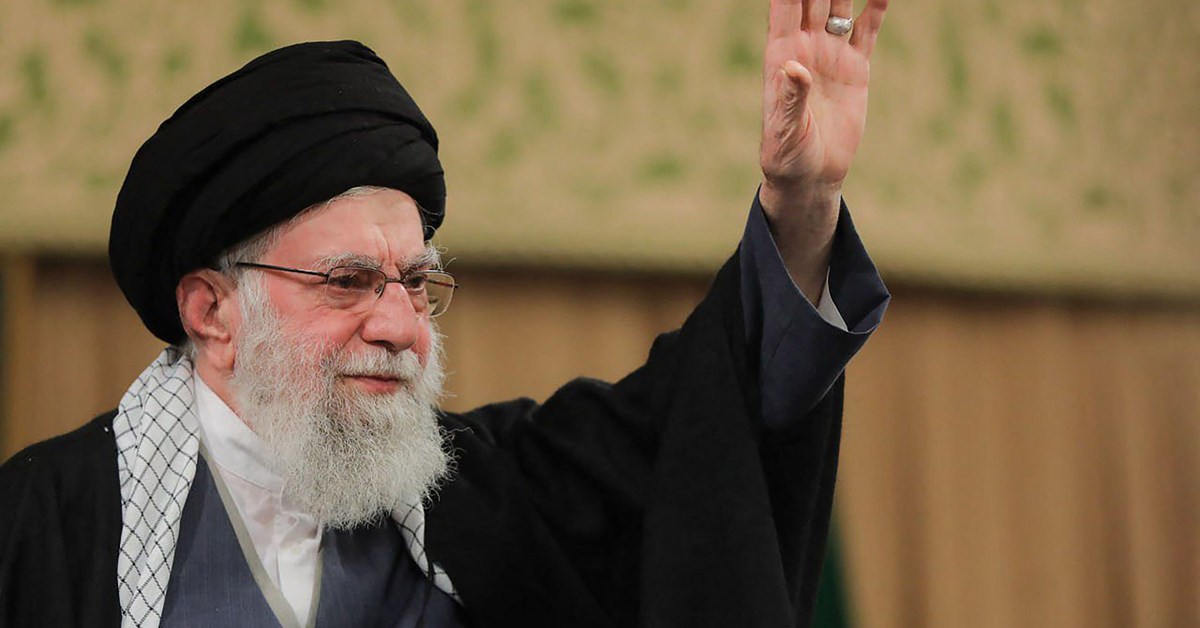
The Supreme Leader, Ayatollah Khamenei, the elite Islamic Revolutionary Guard Corps, the Basij militia who opened fire on demonstrators, the army’s generals, the clerical hierarchy, and the judiciary are all ideologically and economically invested in maintaining the State. Indeed, clerical moderates and conservatives have closed ranks, and the reformist President Pezeshkian has capitulated to the hardliners.
Only if splits begin to emerge between them will the regime fracture. US intelligence services should be working on how to bring that about.