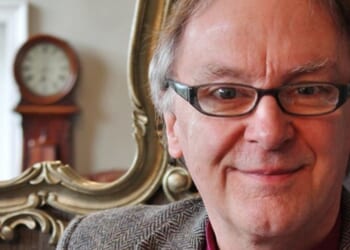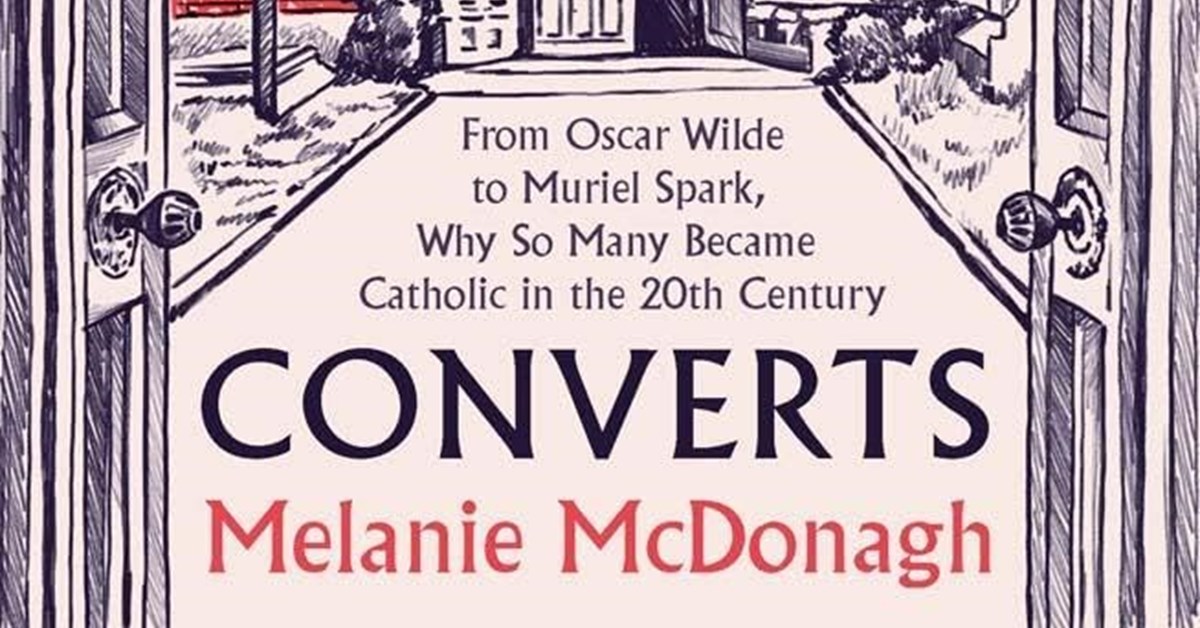
MELANIE MCDONAGH, a distinguished journalist, explores why so many high-profile writers and artists became Roman Catholics in the 20th century. Her research shows that the majority of them were Catholic Anglicans who were dissatisfied with the contradictory positions held by their Church and who desired the greater clarity and certainty of Rome. But there were often very personal reasons as well.
Oscar Wilde, from his time at Oxford, was drawn by Aesthetic considerations, though the serious side of him did not come to the fore until his deathbed submission. The genuineness of this has been disputed, but McDonagh sums up the evidence by noting that two of the three people present “were convinced that Wilde was conscious but not articulate, conscious of what was being done and able to try to take part in it”.
The painter Gwen John converted after the sculptor Rodin had broken with her. It did not bring her happiness, but helped her to live with her suffering and deepened her art, as in her lovely portrait of Marie Poussepin, founder of a Dominican convent.
McDonagh does not gloss over the faults of her subjects: G. K. Chesterton’s anti-Semitism, Evelyn Waugh’s irascibility, and Graham Greene’s multiple infidelities. But you cannot help warming to Waugh, who, when accused of being a bad Christian and a bad Catholic, replied: “Think how much worse I would be if I wasn’t.” Similarly with Greene, who wrote: “I have a continuing faith that I am wrong not to believe and that my lack of belief stems from my own faults and failure to love.”
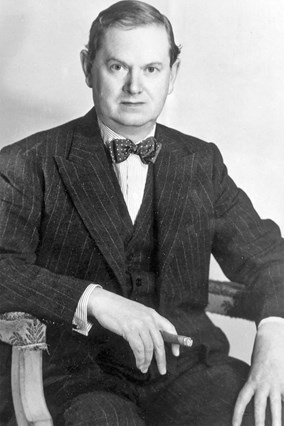 AlamyEvelyn Waugh, who implied that his faith made him less obnoxious
Other well known names whom McDonagh discusses include the poet and artist David Jones, Muriel Spark, and Siegfried Sassoon. But my favourite is the philosopher Elizabeth Anscombe, who gave philosophy in Oxford a new moral seriousness. Having seven children, she would change nappies in the middle of a tutorial and leave a half-drunk cup of coffee on the carpet for days. As she said, “Dirt does not matter.”
Besides writing about individuals, McDonagh sets each in their period within an overall view of the 20th century. She also highlights the influence of Newman and the work of a number of priests who were key figures in these conversions changes of denomination. We know from figures for ordinations in the Church of England that there was, in the later 1950s, a mini-resurgence of faith, engendered by the seriousness of fighting the Nazis. This is also reflected in the number of people who became Roman Catholics at that time. In 1941, there were 9511; in 1960, 14,483. Since then, both Churches have seen a sharp decline. In 1971, there were 5747 RC converts, and, in 2022, 1976.
McDonagh has written a highly readable book based on solid research. It is a book both to enjoy and from which to learn many fascinating details about some of the most interesting figures of the time.
The Rt Revd Lord Harries of Pentregarth is a former Bishop of Oxford. He is the author of Haunted by Christ: Modern writers and the struggle for faith (SPCK, 2018).
Converts: From Oscar Wilde to Muriel Spark, why so many became Catholic in the 20th century
Melanie McDonagh
Yale £25
(978-0-300-26607-8)
Church Times Bookshop £22.50