THIS book is principally written for those researching, writing, or teaching practical theology; but, because Heather Walton is both a life writer and a theologian, the book also consistently and compellingly opens up her theme in ways that make it accessible and relevant for the general reader, too. From discussion of how we know what we know through descriptions of artistic and creative methods in research to engagement in social, political, and environment change, this is a book for all involved in creation, culture, and community on the basis of faith.
Walton’s argument is that empirical approaches to knowledge, particularly in relation to practical theology, are narrow in both measurement and understanding, while also reflecting the unconscious biases of those who devise them. As a result, she argues that a radical expansion of approaches is required, and arts-based and creative approaches, particularly those that address the climate emergency, are strongly advocated. Art can “enable us to touch that which is unreachable through conventional forms” and “makes it difficult . . . to sustain the valley across which we see other entities as ‘other’ while still allowing for their challenging strangeness to confront us”.
She commends the practice of bricolage (or collage) to practical theologians and calls them to become “poets of the broken form” by “speaking faith and making love out of traditions that are fragmented and yet re-forming”, thereby making poetics “out of tragedy and the sweetness of everyday life”. As such, the approaches that she advocates are responsive to challenges faced both by the Church and also by society currently.
Journal entries open and close the book, describing experiences from the Covid pandemic and COP26. These offer human entry and exit points to the more academic reflections contained between them. They also serve to link Walton’s ruminations to world events and are demonstrations, together with the fairy stories that she constructs elsewhere, of the bricolage approach. As such, her approach has some synergies with the styles used by David Benjamin Blower in his recent book on Messianism, a volume that also explores some similar themes.
Empiricism offers one route to understanding. Walton’s book is concerned that practical theology should not be limited by over-reliance on one methodology. As such, she uses a diverse range of styles to advocate a diverse set of research methodologies. In doing so, she also explores approaches to knowledge in ways that take the reader beyond the confines of her particular discipline and that helpfully identify the aspects of value and significance to be found in the arts.
The Revd Jonathan Evens is Team Rector of Wickford and Runwell in the diocese of Chelmsford.
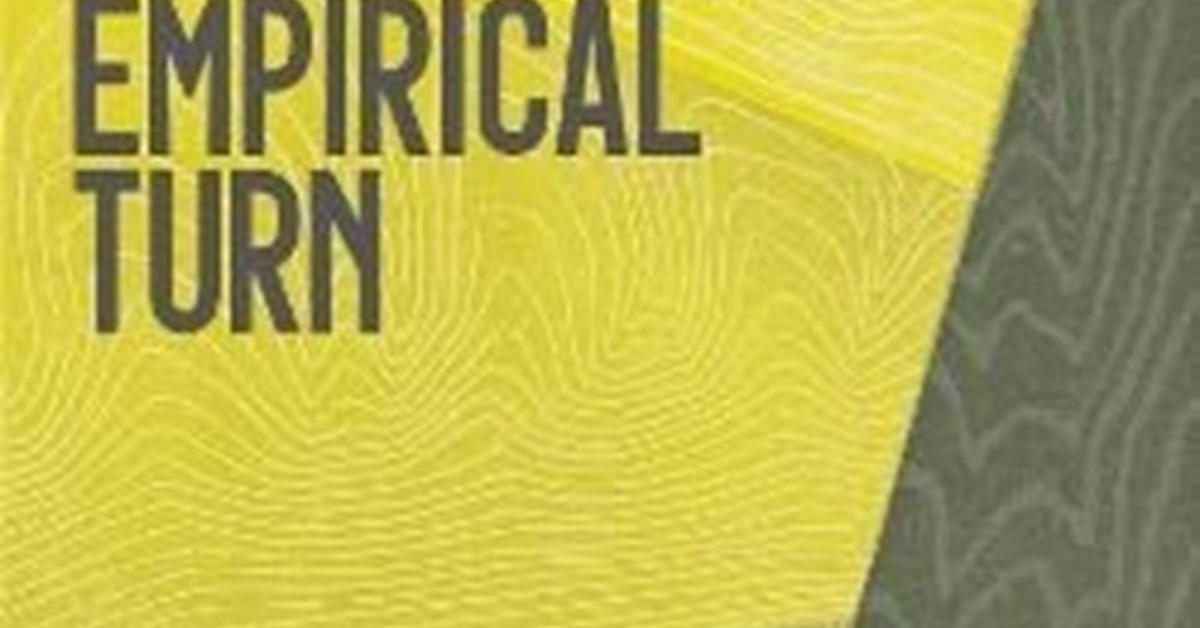
Practical Theology Beyond the Empirical Turn
Heather Walton
SCM Press £25
(978-0-334-05899-1)
Church Times Bookshop £20