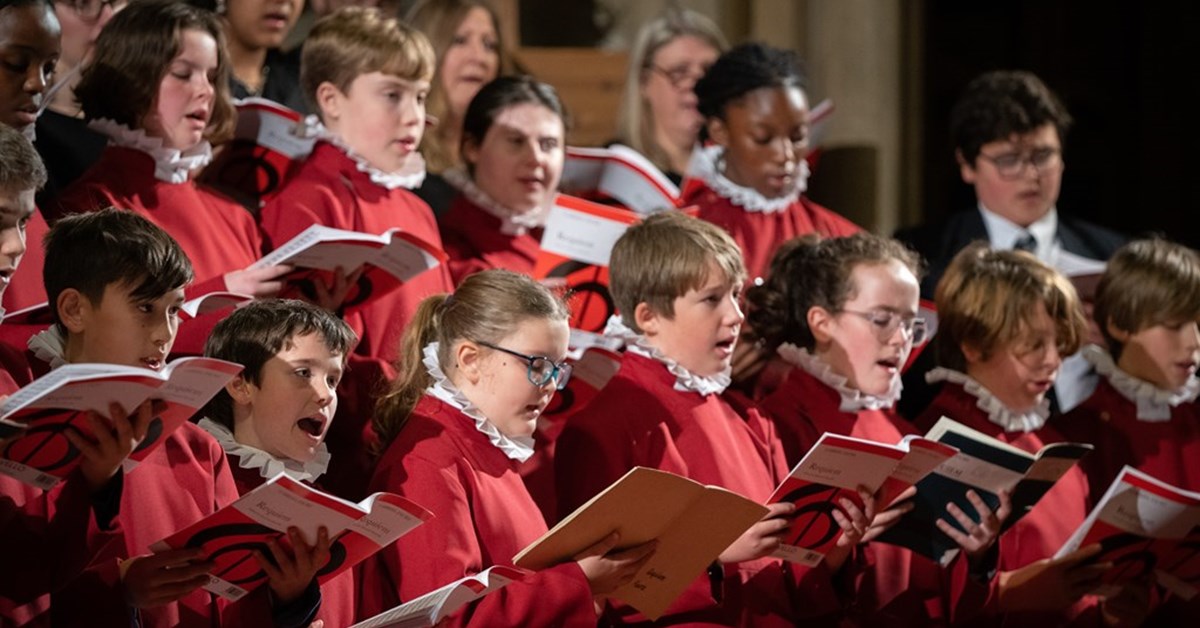
A CAMPAIGN has been launched to include English sacred choral music in UNESCO’s Living Heritage inventory, to ensure its protection. The inventory, overseen for the UK by the Department for Culture, Media and Sport (DCMS), recognises “intangible cultural heritage”, described by UNESCO as “the mainspring of cultural diversity”.
The Cathedral Music Trust, which is leading the campaign, believes that UNESCO recognition would help to safeguard the future of sacred music by raising awareness and highlighting its global significance.
“Choral music is regarded as one of the glories of the UK’s cultural living heritage, with a global reputation for excellence,” it says.
“Far from being a relic of the past, what makes [it] unique is its continuity. It is celebrated not only for its beloved historic repertoire, but for the ongoing performance of its music in cathedrals, parish churches, chapels, and communities across the UK.”
The Trust’s president, Harry Christophers, describes it as “the envy of the world, a tradition that has been going for well over 500 years. To gain UNESCO’s Living Heritage recognition would ensure that the music, both written in the past and the present, continues to be celebrated and sustained for centuries to come, alongside the many choirs, organists, directors of music, and all that make this world-class tradition possible in their pursuit of excellence.”
The composer and conductor, John Rutter, says: “When I guest-conduct abroad as a representative of our choral tradition, I am treated like a Brazilian footballer or a Hungarian chess master. Britain is recognised around the world as a crucible of choral excellence, an accolade that needs to be acknowledged.”
The Trust — with organisations such as the Royal College of Organists, the Royal School of Church Music, and the Conference of Catholic Directors of Music — is calling on supporters to play their part. “Sing, attend, donate, or simply share the music — everyone has a role to play, and every action matters to future-proof and to protect this living heritage,” it says.