THE British colonial legacy of pollution from mines was raised in the House of Lords earlier this month; and this was, the Bishop of Norwich, the Rt Revd Graham Usher, said, “timely, because of the geopolitical tensions that we face currently, many of them connected to minerals needed to power our economies today”.
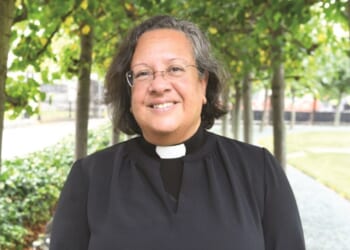
Bishop Usher is the Church of England’s lead bishop for the environment and lead bishop for biodiversity in the Anglican Communion.
“The role of mining has been a particular focus in recent years” for the Church of England Pensions Board, which, he said, “recognises the systemic importance of mining to many of the other sectors upon which modern life depends and which the board is also invested in. . . But a particular focus of [its] work has been on this issue of legacy, particularly related to mine waste.
“The Pensions Board has led a global initiative with the support of both the UN and the mining industry to drive safety in tailings waste management by companies today,” he said. In addition, “the Global Investor Commission on Mining 2030, which was set up and is chaired by the Church of England’s Pensions Board, and backed by 100 investors with over $17 trillion under management . . . , laid out at the end of last year a set of recommendations on legacy.
“Investors have clearly indicated their expectation that the industry must address existing legacies while ensuring that new and operating sites create lasting value for people and nature.”
He asked whether the Minister would “be willing to meet staff of the Church of England Pensions Board” for further insight.
Introducing the debate, Lord Oates (Liberal Democrat) referred to a mine in Zambia, which, between 1925 and 1974, had been owned by Anglo American South Africa Ltd, with the UK as its legal authority. “Widespread and severe lead poisoning and the deaths of several children in the villages close to the Kabwe mine” had been the result, he said.
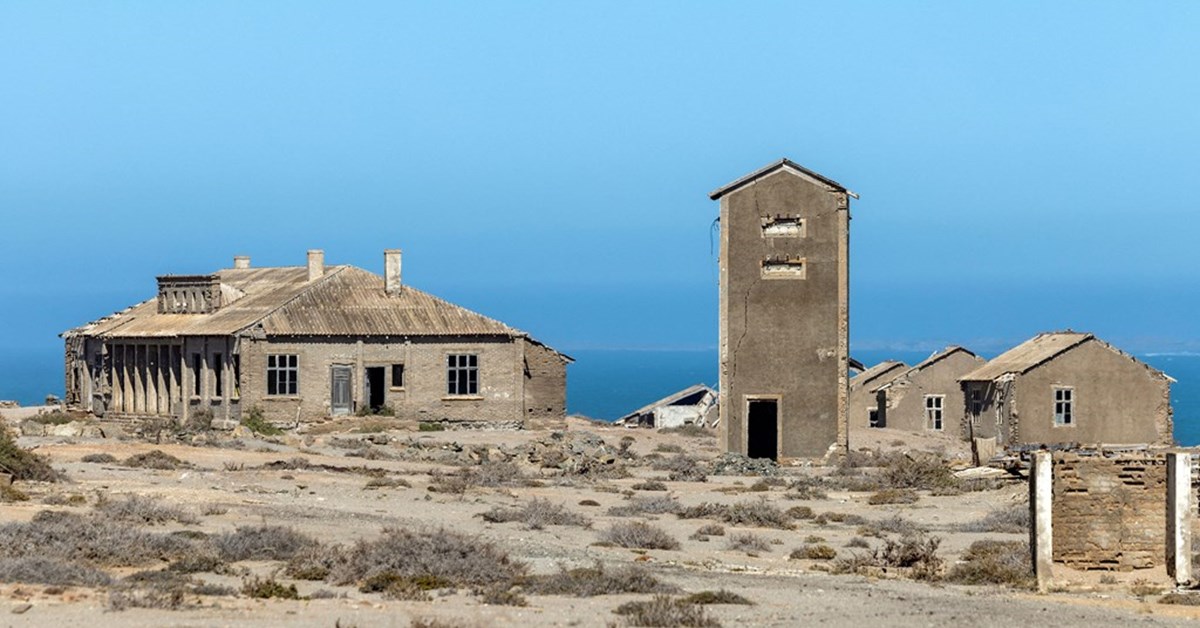
On its closure, in 1994, Lord Oates said, “an estimated 6.4 million tonnes of lead-bearing waste piles, leaching lead into the soil and water”, had been left behind. He asked: “What assessment have the UK Government made of their moral responsibility . . . to clean up the toxic legacy left behind by one of its own group companies?”
A former leader of the Green Party, Baroness Bennett, said that it was “not just one company. We are talking about a systemic problem with an industry with a terrible track record.”
Responding for the Government, Baroness Chapman said that she would be “very happy” to meet the Pensions Board, and thanked the board for “its participation in the emerging markets and developing economies task force, where we work with big investors in the City to try to encourage them to invest more in developing economies”.