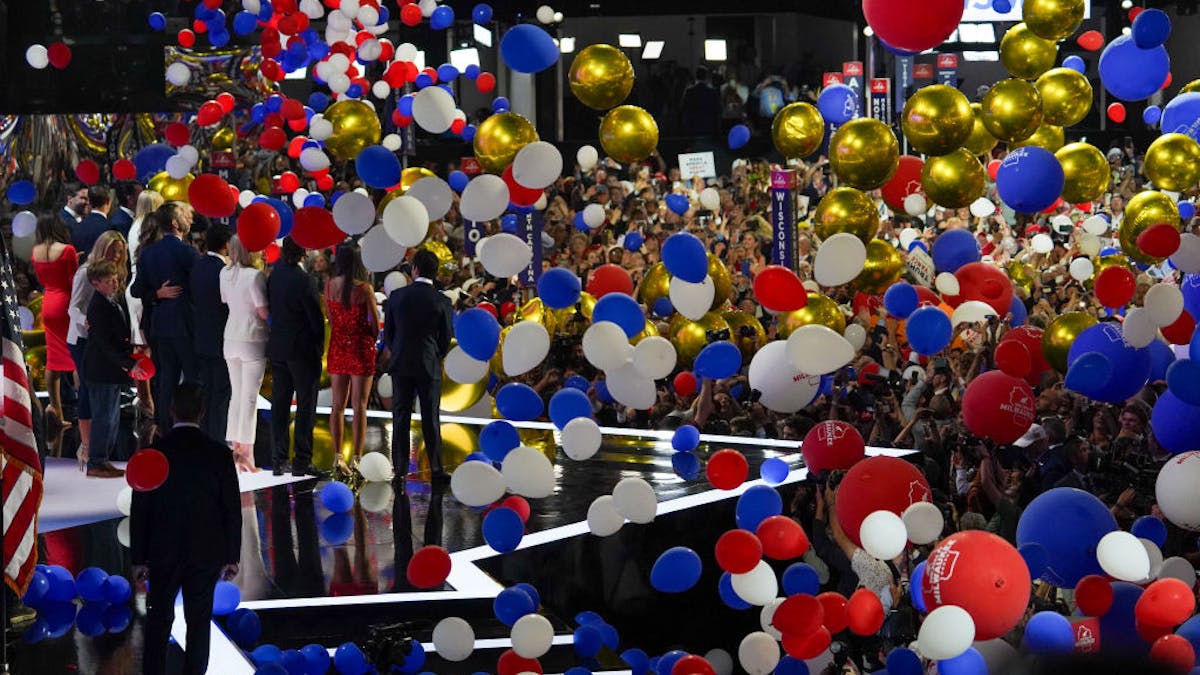
Republicans are moving closer to doing something that, in modern American politics, simply isn’t done: holding a national convention in the middle of a midterm election year. At its winter meeting on Friday, the Republican National Committee approved a rule change that would explicitly authorize the party to hold a “special ceremonial convention” between presidential cycles — clearing the procedural path for a midterm convention later this year.
RNC Chairman Joe Gruters framed the move as preparation rather than a final commitment, but his enthusiasm was unmistakable. He said the party is eager to showcase what President Donald Trump and Republicans have accomplished and wants to be ready if Trump gives the green light. The amendment passed without objection, though the timing was notable: many RNC members had already departed to beat winter storms when the vote occurred.
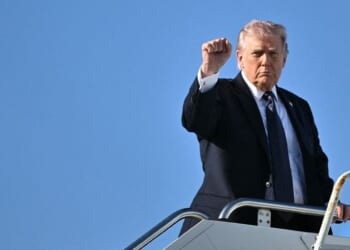
The rule change formalizes what Trump first floated publicly in September, when he announced that Republicans would hold a “Midterm Convention.” The motivation is clear. A midterm convention would give Republicans a nationally televised platform to tout administration victories, sharpen contrasts with Democrats, energize the base, and elevate candidates in battleground congressional races as the party fights to retain control of Congress.
In the modern era, national conventions have been reserved for presidential election years, but the concept itself is not unprecedented. Democrats experimented with midterm-year conventions in the 1970s and are now quietly revisiting the idea. During recent Democratic National Committee meetings in Los Angeles, officials from states like Nebraska and Utah expressed interest in hosting a potential midterm gathering of their own.
Historically, conventions have evolved alongside American politics. The first national political convention was held in 1831 by the Anti-Masonic Party. Democrats followed a year later, and the Whigs — the Republican Party’s ideological predecessor — held their own in 1839. Republicans convened for the first time in 1856. While the two major parties have never skipped their four-year convention rhythm, smaller parties often met irregularly, adapting to political circumstances.
Trump has argued that a midterm convention makes sense in a moment of perceived momentum. In an August 2025 Truth Social post, he pointed to fundraising advantages, electoral success, and policy wins as justification for breaking tradition. Holding a convention every two years, proponents argue, could boost fundraising and allow parties to recalibrate their message in real time.
Details remain unresolved. Republicans have yet to announce a location or date, though Nevada GOP leaders are pushing for Las Vegas. What is clear is that the GOP is laying the groundwork for a political spectacle designed to keep the spotlight — and the narrative — firmly in Republican hands.