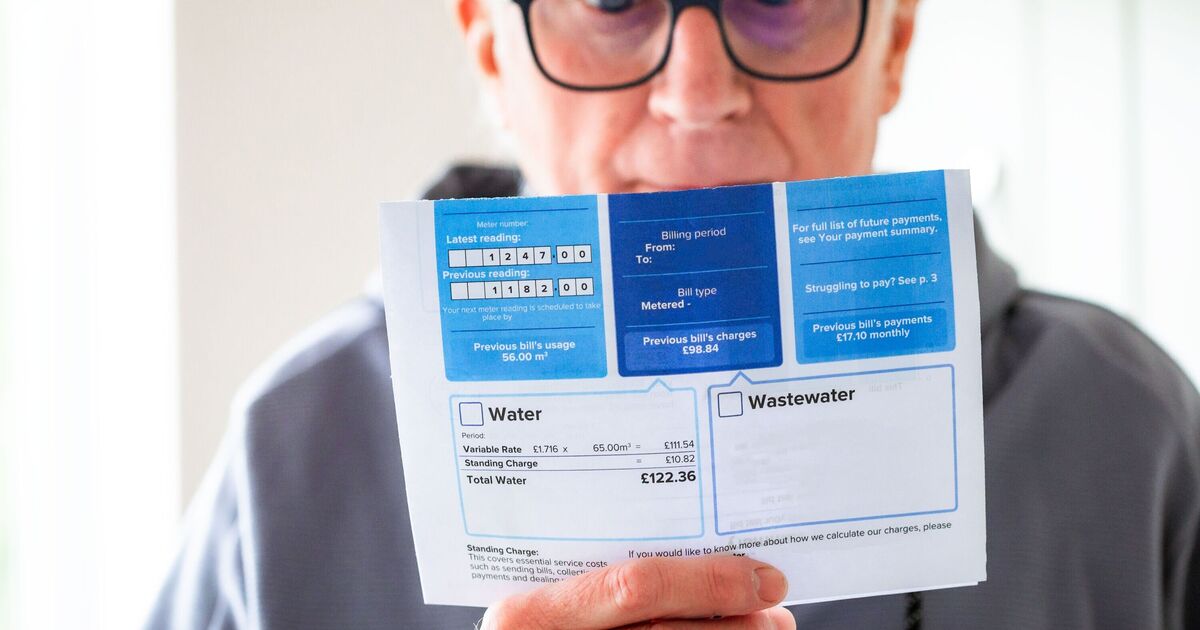
UK water bills to rise by average £33 a year from April 2026 (Image: Getty)
Water bills in England and Wales will rise by an average of 5.4% in April, the industry has confirmed. The increase, which equates to around £33 per year, or an extra £2.70 per month, will help fund significant upgrades to water infrastructure, Water UK has said.
It follows last year’s record rise in charges and will take the national average water bill to £639 per year. David Henderson, chief executive at Water UK, said: “We understand increasing bills are never welcome, but the money is needed to fund vital upgrades.” The increase is 2% higher than inflation but comes as companies prepare to invest £20 billion over 2026-27 to secure water supplies and end sewage entering rivers and seas, Water UK said.
READ MORE: EasyJet banned from ‘misleading’ £5.99 baggage claim as real prices hit £30
READ MORE: Ground rents to be capped at £250 in huge Labour leasehold shake-up
Some areas will see their water bills rise by up to 13%. (Image: Getty)
It pledged that the money raised by water bills could only be used to fund infrastructure that had been independently determined to be “new, necessary and value for money”.
A money-back guarantee means that customer bills would automatically be refunded by the regulator if improvements were not delivered, it said.
Ofwat has allowed water firms to raise bills by 36% between 2025 and 2030, with around 20% of this applied to last April’s rise.
The Consumer Council for Water (CCW) warned that customers were “impatient for change and need to see compelling evidence their money is being well spent”.
CCW chief executive Mike Keil said: “We’ve seen complaints brought to CCW about the affordability of water bills almost triple in the past year, and further bill rises will compound people’s worries.”
Bill increases vary significantly by region, with Affinity Water (central region) set to see the largest rise on April 1 at 13%.
Severn Trent customers will see a 10% price hike, Sutton and East Surrey customers will see an 11% increase, and Bristol Water customers will see a 12% rise.
South East Water is raising bills by an average of 7% to £324 a year, despite days of supply disruption this month, blamed on Storm Goretti.
Other factors, such as whether a customer is metered and how much water they use, mean bill changes will vary.
Our community members are treated to special offers, promotions, and adverts from us and our partners. You can check out at any time. Read our Privacy Policy
More than two million households currently receive help with their bills through social tariffs, the WaterSure scheme and other affordability measures, and this will expand by an estimated 300,000 more households over the coming year. The expected average discount on bills offered will be around 40%.
The support, which varies by supplier, has been criticised as a “postcode lottery”, with some areas receiving significantly more help than others.
CCW has called for a single social tariff for England and Wales, which would provide consistent and better targeted support for those living in water poverty.
Mr Keil said: “A stronger safety net is also needed for those who simply can’t afford these bill rises. Our independent review of water affordability back in 2021 made clear that a universal single social tariff would ensure financial support flows to where it is needed most.
“The postcode lottery of financial assistance created by existing water company social tariffs is unfair and unsustainable in the face of rising water bills.”
Ofwat interim chief executive Chris Walters said: “By April 2027, we are expecting water companies to have installed more than eight million water meters in homes to help customers manage their bills, to have replaced almost 3,000km of piping that will ensure customers experience fewer supply disruptions, and reduce sewage spills from storm overflows by 30% from 2024 levels.
“These are just three examples that will help us reach our collective goal of cleaner rivers and seas, more resilient water supplies and better services for customers and the environment.
“However, we also recognise that these bill increases may be difficult for some people. That is why we approved a doubling of company support available for customers who are struggling to pay, and now more than two million households are accessing this help.”
Full list of bill increases by water and wasteage companies
Here is the regional breakdown of average annual household bills for 2026-27 in England and Wales, according to Water UK.
- Anglian Water – £674, an increase of £44 or 7%
- Dwr Cymru (Welsh Water) – £683, an increase of £31 or 5%
- Hafren Dyfrdwy – £635, an increase of £54 or 9%
- Northumbrian Water – £535, an increase of £31 or 6%
- Severn Trent Water – £587, an increase of £52 or 10%
- South West Water – £740, an increase of £39 or 6%
- Southern Water – £759, an increase of £55 or 8%
- Thames Water – £658, an increase of £3 or 0.4%
- United Utilities – £660, an increase of £57 or 9%
- Wessex Water – £695, an increase of £17 or 3%
- Yorkshire Water – £636, an increase of £34 or 6%
Full list of bill increases by water-only companies
- Affinity Water [Central region] – £266, an increase of £31 or 13%
- Affinity Water [East region] – £280, an increase of £1 or 0.4%
- Affinity Water [South-east region] – £294, an increase of £3 or 1%
- Bournemouth Water – £205, an increase of £11 or 6%
- Bristol Water – £264, an increase of £29 or 12%
- Essex and Suffolk Water – £333, an increase of £15 or 5%
- Portsmouth Water – £162, an increase of £13 or 8%
- South East Water – £324, an increase of £21 or 7%
- South Staffs Water [Cambridge region] – £210, an increase of £7 or 3%
- South Staffs Water [South Staffs region] – £230, an increase of £6 or 2%
- Sutton & East Surrey Water – £257, an increase of £26 or 11%
- National Average – £639, an increase of £33 or 5.4%