The Bishop of Bradford writes:
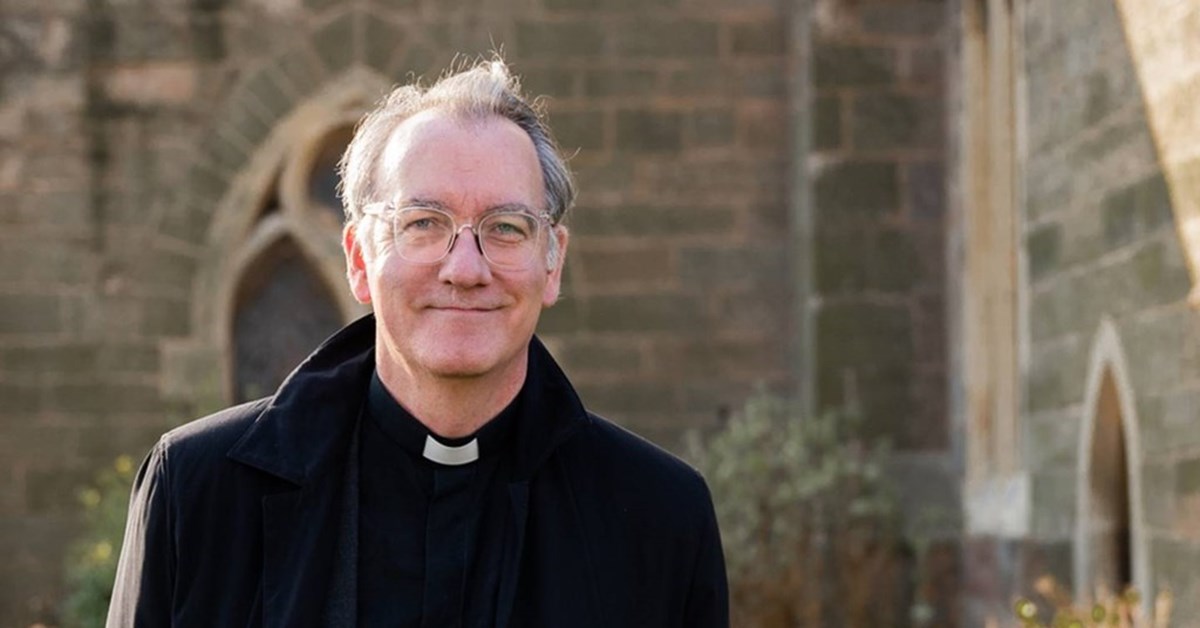
THE Revd Dr Richard Sudworth inspired, encouraged, and resourced the Church and many others to engage with people and communities of different faiths.
He was present and engaged personally in and through churches in south-east Birmingham. He wrote widely, including the more accessible Distinctly Welcoming (2007) and the more academic Encountering Islam: Christian-Muslim relations in the public square (Books, 16 June 2017). He taught, especially at the Queen’s Foundation in Birmingham, and he led the Church of England’s strategic engagement for seven years as Secretary for Interreligious Affairs to the Archbishop of Canterbury and National Adviser for Interreligious Relations to the Church of England. Last year, he became the Church of England’s Director of Faith and Public Life. In the King’s Birthday Honours list in 2023, Richard was appointed OBE for services to interfaith and cohesion.
Standing within a rich Anglican — and particularly Church Mission Society — tradition, Richard Sudworth held together three strands of interreligious engagement: he prioritised personal relationships; he listened, spoke, and wrote respectfully and with academic rigour; and he was passionately faithful to Jesus Christ and the mission of his Church. Richard’s doctorate was from Heythrop College, London, under the supervision of the Roman Catholic scholar Dr Anthony O’Mahoney, and focused on the Anglican political theology of Christian-Muslim relations. Distinctly Welcoming continues to guide and challenge many Christians looking for practical wisdom and confidence in their relationships with friends and colleagues from different religious backgrounds.
The murderous attacks of 7-8 October 2023 on Israelis and the following brutal war in Gaza, in which of many thousands of Palestinians have been killed, created a crisis for interfaith relations worldwide. Richard found himself in the impossible position at Lambeth Palace of trying, particularly with Jewish, Muslim, and fellow Christian colleagues and friends, to hold relationships and find ways in which to continue dialogue.
With the discreet support of Buckingham Palace and others, however, this dialogue did go ahead, nationally, regionally, and locally. Since Richard’s death, many people have paid tribute to his creativity, courage, and determination in helping to provide facilitated spaces where community and faith leaders could come together in honesty and openness to challenge.
They have also lamented the gap that Richard leaves at what continues to be a critical time for Jewish-Muslim-Christian relations. As Qari Asim, chair of the Mosques and Imams National Advisory Board, wrote last month: “When he spoke, people listened — because his advice was thoughtful, principled, and carried the weight of earned respect.” Elizabeth Harris, Director of the Council of Christians and Jews, wrote in the Jewish News: “Richard has left a huge legacy: in the interfaith arena, in Lambeth Palace, the Church of England and indeed the world. It is a painful loss for all who knew him, particularly at a time when we need him more than ever.”
Richard will be particularly missed in his leadership of Faith and Public Life, the team at Church House, Westminster, who bring an extraordinary range of skills, knowledge, and experience to the Established Church’s engagement with wider society and politics. His was a strong and respected voice, arguing that this wider engagement must not be seen as a marginal activity for a few bishops in the House of Lords but, rather, a core component of the Church of England’s mission.
Archbishop Cottrell has paid tribute to Richard’s “huge contribution to our Church, but also to the life of our nation, working for peace and understanding across boundaries of difference and witnessing to our common humanity and our common belief in God and the place of faith in public life.”
What was perhaps less known about Richard was his love of the Grateful Dead, the Talking Heads, and other bands. He dragged friends to numerous gigs, and his family paid tribute to his expertise as a “kitchen dancer”. A close friend and colleague, Dr Andrew Smith, remembers Richard’s excitement at having been able to arrange an interview for the Archbishop of Canterbury with Nick Cave on Radio 4, one of the highlights of Richard’s career.
The Revd Dr Richard Sudworth was born in Oldham on 29 July 1968, attended Valley Comprehensive, in Worksop, and held degrees in law and theology. He worked in insurance before serving as a CMS mission partner in North Africa from 1998 to 2009. He was subsequently ordained in Birmingham diocese, where he served at Christ Church, Sparkbrook. He continued to live there while he took on his national and international posts with the Archbishop of Canterbury and the Church of England.
Richard loved music, literature, sport, friends, and, above all, his family: his wife, Fiona, and his children, Nellie and Dylan.
He died from cancer on 15 December, aged 57.