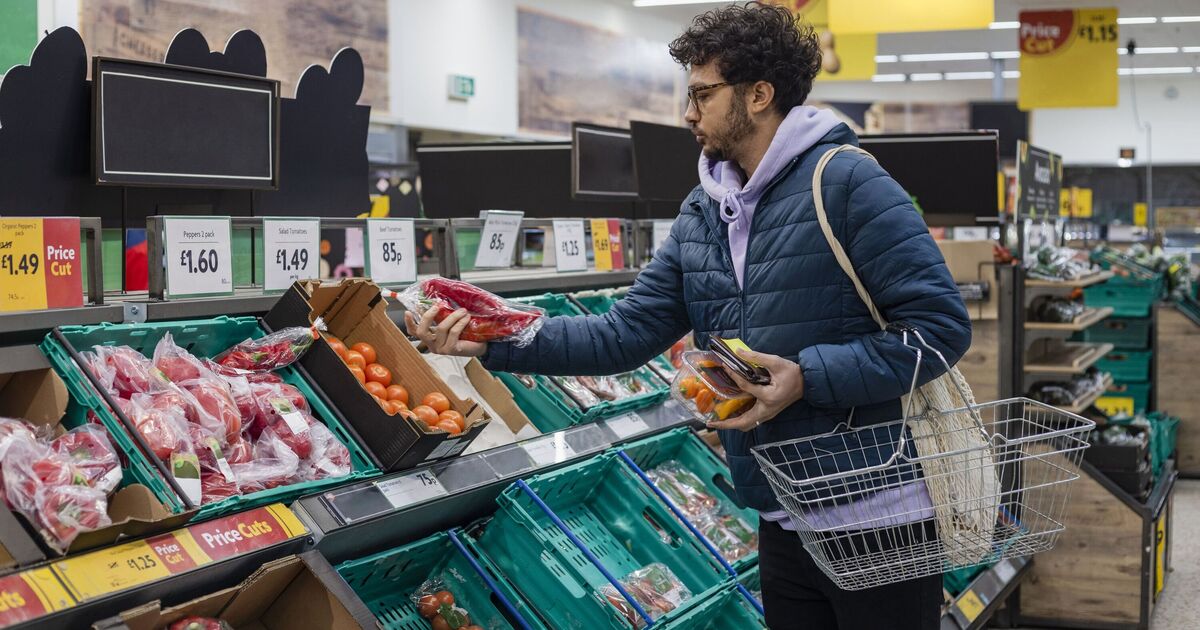
Several trends are expected to be big in British supermarkets in 2026 (Image: Getty)
Whether you’re happy to splash the cash at a fancy Waitrose or like to keep those purse strings nice and tight at your nearest Aldi or Lidl, retail experts reckon we can all expect to see some major changes on supermarket shevles in 2026.
A host of new trends made waves in 2025, such as foods high in protein and viral flavours, like Dubai chocolate. So what should we expect this year? Experts have told the Express more frozen foods, less gimmicky flavours and much better value for money are all on the cards.
And with greater awareness around how ultra-processed foods can affect gut health, products that boost wellbeing should also be making an appearance in more supermarket trolleys.
The experts believe shoppers are comparing prices more than ever before with supermarkets hearing this loud and clear. Big names such as Tesco have widened their own-label range, for example. But cost isn’t the only thing influencing what we will see on shop shelves. Here are the six key trends that experts are predicting in supermarkets for 2026.
READ MORE: M&S brings back popular sweet treat — fans say they ‘need’ to try it
READ MORE: Lidl, Aldi and M&S opening 28 new supermarkets in 2026 – full list
More fibre-rich food on shelves
Protein has been one of the biggest wellness crazes in recent years, with gym-goers in particular becoming hyper-aware of how much of it they were consuming each day. This year, fibre is expected to be the macronutrient on everyone’s mind. In fact, Waitrose’s 2026 Food & Drink Report found that getting enough fibre is the biggest concern of health-conscious consumers.
“Fibre in many ways is becoming more important than protein in the eyes of consumers,” says Joe Woolf, owner of food marketing firm The Discovery Stand.
A recent YouGov/AHDB survey found 26% of UK consumers plan to reduce their consumption of ultra-processed foods this year, with 13% of them planning to up their fibre intake.
“There’s a real shift towards fibre-rich, gut-friendly foods and plant-based options that don’t feel like a compromise,” said Caroline Morris, sales director at barbecue retailer Barbequick. “This shift towards more nutrients like fibre is already evident at Marks and Spencer, which is leading the charge with its new nutrient-dense range.”
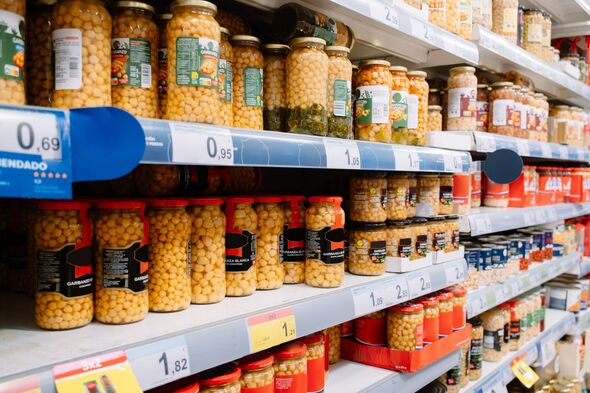
High-fibre foods are set to become more in-demand in 2026 (Image: Getty)
Wider selection of frozen foods
A hot contender for trolley space in 2026 is good-quality frozen food. “Gone are the days of frozen food having a bad name as this whole sector has firmly shaken off its old reputation,” says Morris. “Premium frozen products are booming as consumers look to save time without sacrificing quality or flavour.”
This shift is evident in Waitrose, where specialist frozen items, such as pastries and high-end potatoes, soared by 322% in a year. Tesco also recently revamped its frozen food offering for the first time since 2018, expanding its Finest frozen range with new pizzas, pies, poultry, and fish.
With demand for these products growing, consumers can expect other supermarkets to follow suit.
David Kindness, of BestMoney.com, says frozen vegetables will also rise in popularity as they are cheaper but just as nutrient-dense as fresh produce, particularly with fibre. “Frozen will continue to grow off the back of last year’s growth, potentially as consumers become more and more aware of wastage – due to financial and environmental reasons, and because the options are getting more exciting,” says Woolf.
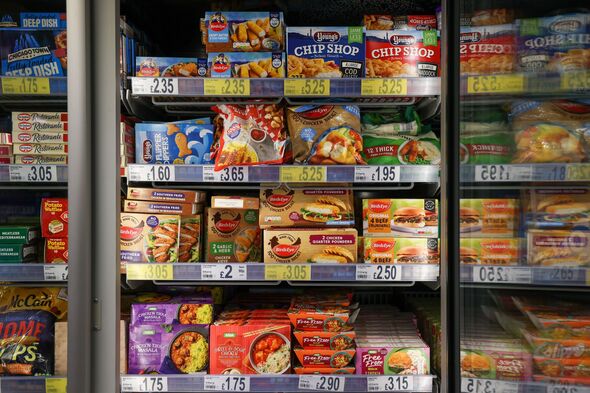
Consumers can expect a wider range of frozen foods this year (Image: Getty)
Fricy flavours
Expect bold cuisine to steal the show with an emphasis on “fricy” – a mix of fruity and spicy flavours which are common in Thai and Mexican dishes. Online retailer Sous Chef has already reported soaring sales of “fricy” condiments.
New countries will make an appearance in world food aisles as consumers explore new cuisines, according to Patrick Finlay, managing director at food and drink consultancy firm The Category Management Company. Swiss, Argentinian, Portuguese and US Southern foods are expected to be big while Korean cuisine will continue to thrive.
“Korean food continues to capture the nation’s taste buds,” says James Campbell, director of innovation at Sainsbury’s. “Whether it’s the rise of at-home dining experiences or the influence of street‑food culture, customers are increasingly looking for accessible ways to enjoy world flavours at home.
“Alongside our own-label range, there is strong interest in branded products which tap into the growing demand for fermented foods that support customers’ broader nutritional goals. These products make it easier than ever for customers to experiment with the bold, balanced and deeply savoury flavours Korean cuisine is known for, without the need for specialist ingredients or advanced cooking techniques.”
More own-brand labels
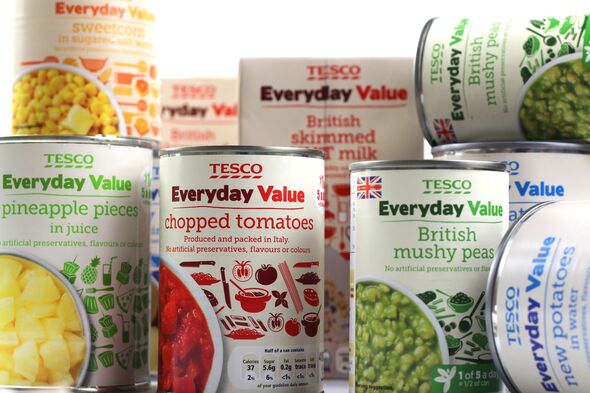
Own-label goods, often considered sub-par to mainstream brands, are quickly becoming the go-to option for shoppers – and not just those on a budget.
According to Kantar and IGD data, 53% of sales at Aldi, 67% at Lidl, and 52% at Tesco were made up of own-label goods towards the end of last year. Meanwhile, own-label supermarket sales hit close to £1 billion in December 2025, setting a new record. Oisin Hanrahan, a Tesco-backed supply chain and supermarket expert, predicts 2026 is the year own-label products become star buys in their own right.
Personal finance expert Kevin Marshall echoes this prediction, explaining they are a logical choice in today’s challenging cost-of-living environment and an opportunity for supermarkets to rival premium labels. “The differences in quality [between brands and non-brands] are almost unnoticeable,” he says.
Patrick Young, managing director of research company PRS IN VIVO, says this change means “brands will have to work harder to justify their price point”.
Own-label products are becoming increasingly popular for UK shoppers (Image: Getty)
The end of viral food trends
Viral food trends dominated shelves last year. Most notably, there was Dubai chocolate, a confectionery filled with chopped filo pastry and pistachio-tahini cream, which originated from the UAE and sparked an explosion of pistachio-flavoured products in supermarkets and fast food chains.
Social media was mostly to blame, and several supermarkets jumped on the opportunity to profit from the trend. But experts say these viral foods are likely to disappear this year as people grow tired of overly done fads.
“I expect 2025 to mark the peak of overly viral, gimmick-led food trends or purely social media-driven products, with Dubai chocolate being a good example,” says food PR expert Emily Keogh. “This year, supermarkets will be far more selective, focusing on products that combine excitement with genuine wellness benefits.”
She expects the overarching food trend to be about “calm, balance and long-term health”.
Changing vegan options
The popularity of vegan food has exploded in recent years, with increasing numbers of Brits opting for an entire or partial plant-based diet.
But following lobbying from the livestock industry, the European parliament voted to ban key words including “steak”, “burgers” and “sausages” to describe meat-free food in October. The European Commission and the governments of the EU’s 27 member states still need to pass legislation to enforce this, but if this happens, the UK government believes British businesses will be impacted.