FEW expect to find God in Cannes. A new handbag, perhaps. A suntan, for sure. An indefinable sense of having paid rather too much for an indifferent meal — well, that goes with the territory. But the glamorous resort on the French Riviera is hardly anyone’s idea of a sacred space; nor does the Promenade de la Croisette, with its palm trees, expensive shops, and beautiful people driving absurdly over-specced cars, seem like the sort of place for an epiphany.
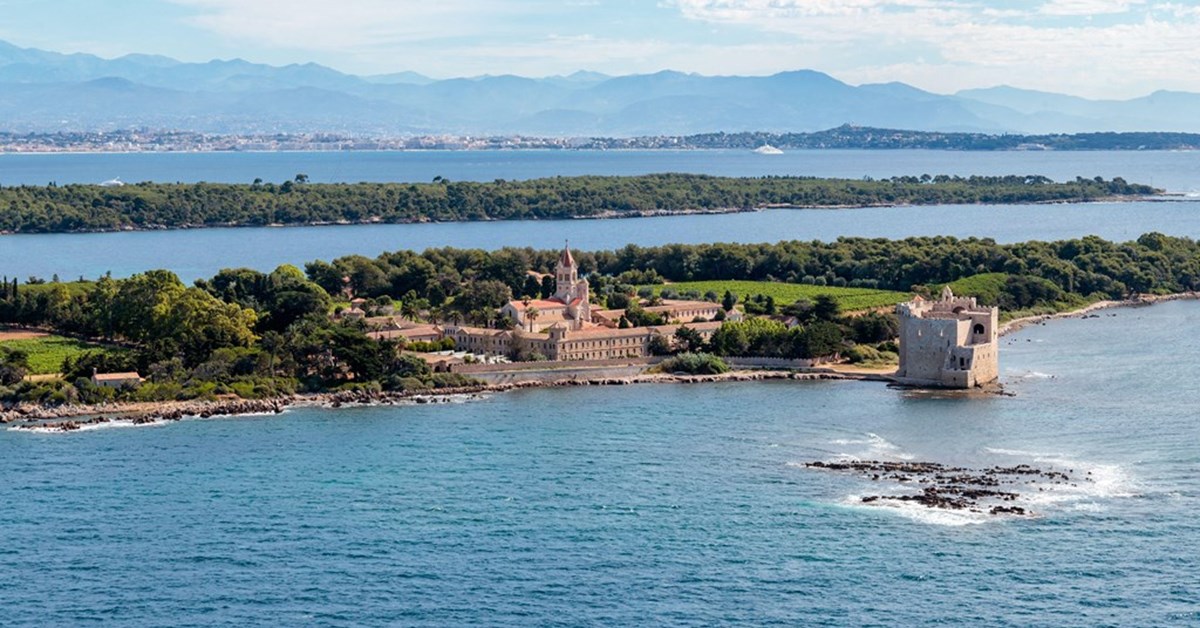
From the Croisette, however, you can catch a glimpse of heaven. This is the Île Saint-Honorat, a short boat ride away from Cannes. St Honoratus founded a monastery there in the fifth century, and it soon became an important centre for faith, training so many holy men that it was known as the “nursery of saints”. There is even a tradition that St Patrick studied on the island — and, if he didn’t, it is certain that, over the centuries, several other saints undoubtedly did.
There is still a monastery there, with monks. When my children were little, we would go in search of the dark-robed men just to say that we’d seen them. There is a restaurant, too, which is pricey, but good. The monks make wine, which is pricey, but not brilliant. Still, every time we visit, I buy some, so that I can take it home and revive memories of this remarkable place. It is a little piece of paradise.
SAINT-HONORAT is a tiny island. You can walk across it in five minutes, or walk around it in just a little longer. Ancient ruined chapels and abandoned bunkers from the Second World War pop up behind the trees and in between the vineyards. On arrival in midsummer, the first things that strike you are the sound of cicadas, and the smell of pine. We always visit the monastery and light a candle in the chapel. But, in truth, we’re really there for swimming. There is a specific cove that we always head for, with rock pools and clear blue water. For years, we had it to ourselves; now, more often, we have to share. We try not to mind.
It is, perhaps, just easier to see God in the raw beauty of Saint-Honorat than it is to discern the divine in the ersatz commercialism of Cannes. But it is not that alone that gives this island such spiritual significance for me. Indeed, the fact that you can see all the glitz of Cannes from our chosen swimming spot actually heightens my sense of this as a specially charged location. What is so wonderful is the way in which, here, the ordinary bleeds into the heavenly, and the religious is cheek-by-jowl with the everyday. The restaurant and the monastery; the people swimming and the people praying; the fact that we can enjoy it all — this is what God feels like to me.
And it’s so very easy to reach. People can make finding faith sound impossibly hard work. But here is heaven, just across the bay.
Professor William Whyte is Professor of Social and Architectural History in the University of Oxford.