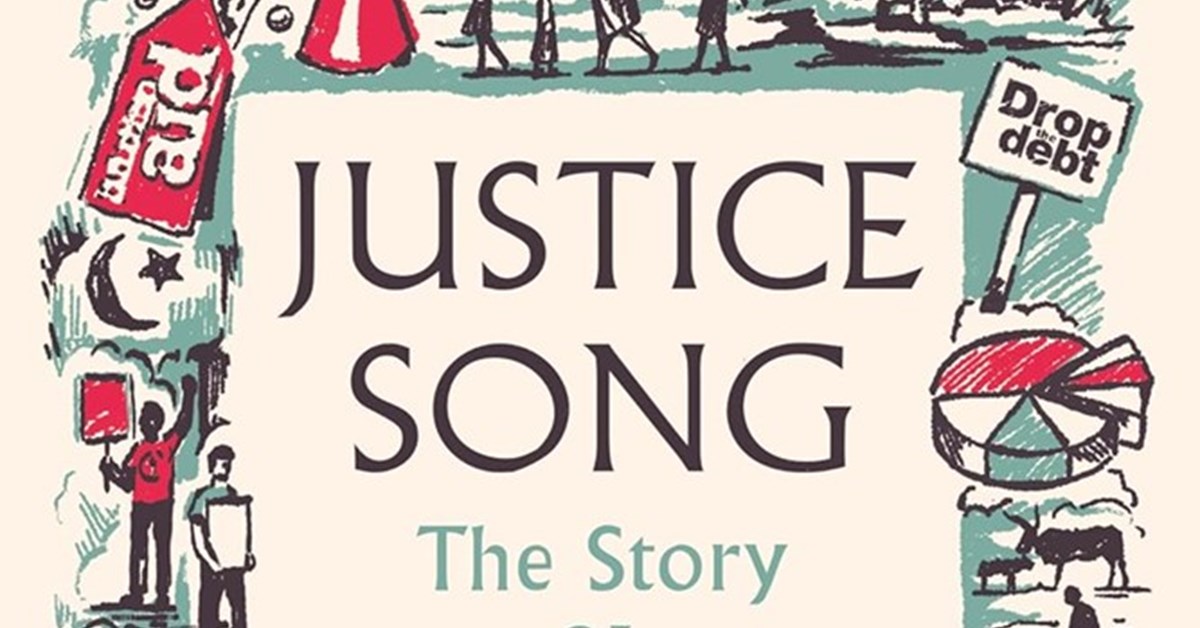
WHEN Christian Aid reached its 80th birthday last year, there was much to celebrate. Here its sometime Director Michael Taylor tells the story of how what began in 1945 looking after refugees in post-war Europe became a charity with, at its height, an annual turnover of a hundred million pounds. For much of that time, its main fund-raising initiative was the annual Christian Aid Week and the little red envelopes distributed by hundreds of thousands of volunteers from congregations.
Taylor provides an extensive panorama of the places where the money was spent, and how it was done, often responding to natural disasters and man-made wars, providing food and shelter, but always wanting to do more about the underlying issues of peace-making and social justice. He is keen to establish Christian Aid’s distinctive way of working, wherever possible using local people and networks rather than its own staff.
He deals with some of the tensions that have arisen over the years. The charity has often championed causes such as trade, the poor, and economic justice, sometimes challenging governments and testing charity regulation. It has also made much use of government funding, but he says little about the tensions that this can create, or the consequences of the dwindling of the UK overseas-aid budget to a pittance.
There have also been tensions with the Churches. Christian Aid replaced many of the relationships and funding channels that the mission agencies once provided, but its way of working, at best through national Councils of Churches, often bypasses the Churches themselves. I remember facing the anger of the House of Bishops in Pakistan after the 2005 earthquake: why had the Church of England ignored them and raised money through Christian Aid which went, instead, to Muslim relief work?
Here in the UK, relationships with CAFOD and Tearfund seem healthy, but it has suffered from the loss of ecumenical structures and commitment, both nationally, where it is still technically owned by the denominations, and locally, where it was once the most vibrant part of Councils of Churches. Bespoke funding through diocesan links, or direct and usually donor-led partnerships by rich parishes, are no substitute.
At a time when most churches have little spare money or the ability to fund-raise beyond meeting their own needs, the future of the distinctive part played by Christian Aid may depend on whether we can recover that ecumenical vision that first brought it into being. Taylor touches on the theology behind it: going where the need is greatest, seeking to serve rather than evangelise, working with the people on the ground, attending to causes and issues rather than just the problems that they create. That gospel imperative may be clear, but it feels out of step with much of the Church’s current agenda, and the more general trend in society to move back from justice issues to philanthropy.
The Rt Revd Michael Doe is a former General Secretary of USPG.
Justice Song: The story of Christian Aid
Michael Taylor
SPCK £18.99
(978-0-281-09198-0)
Church Times Bookshop £17.09