THE extraordinary lives of a half-dozen priests form the focus of Paul Mariani’s detailed study of Chinese Catholicism after Mao. The choices and constraints faced by Shanghai’s Catholics as the Church emerges from the ashes of China’s Cultural Revolution provide a lens to examine the Vatican’s fluctuating China policy, the place of Chinese Catholics in China’s foreign relations, and the ongoing divisions between Shanghai’s “patriotic” and “underground” churches.
The central figure of this book is the accomplished and controversial Bishop of Shanghai Louis Jin Luxian. Jin was an eighth-generation member of a local Catholic family. He lost both his parents young, and was trained in Latin and French at the local Jesuit high school and seminary, before touring post-war Europe on his way to taking final vows. The young Jin showed a prodigious aptitude for languages, an intense patriotism, and a remarkable memory for people.
As the young rector of the seminary, he was among those arrested in the 1950s for his refusal to cooperate with the creation of an independent Chinese Catholic Church. After 18 years in prison, Jin was released in 1978 at the age of 62. While working as a translator in a Beijing publishing house, he was approached by senior figures within China’s security and religious administration to see if he would “take responsibility” for the Catholic church in Shanghai.
Mariani describes this as an offer that Jin couldn’t refuse. But other Shanghai priests made a range of choices which Mariani also covers. Vincent Zhu, another Jesuit scion of a prominent Shanghai Catholic family, sought courageously (or recklessly) to re-establish full ties to the Vatican. He was rearrested three years later and spent most of the period in prison.
The ageing Bishop of Shanghai Cardinal Ignatius Kung Pin-Mei opposed his own release until international pressure led to his transfer to house arrest and eventual exile. Other Catholics, including another Jesuit, the “patriotic” Bishop Louis Zhang, chose fuller cooperation with the authorities, and represented the Church at senior government meetings.
In the 1980s and 1990s, Jin Luxian became the international face of Chinese Catholicism. He made extensive visits to the Philippines, Europe, Hong Kong, and the United States. His contacts enabled him to bring international priests to teach at the Shanghai seminary, to invest in a printing firm that printed the first Catholic Bibles in Communist China, and in renovating and reopening churches. None the less, his willingness to be ordained bishop without papal authority and to cooperate in the work of the Chinese Catholic Patriotic Association prevented his becoming a figure of unity for the Shanghai church.
Remarkably, Mariani makes no reference to the other full-length biography of Jin, Le Pape Jaune, which gives extensive space to interviews with the Bishop, as well as the criticisms and allegations that circled him. Even so, Bishop Jin emerges here as an able, ambitious, and subtle man, committed to his vision for renewing the Chinese Church in some of the most challenging circumstances imaginable.
The Revd Lawrence Braschi is Vicar of St Pancras’s, Plymouth, and formerly director of the China Desk at Churches Together in Britain and Ireland.
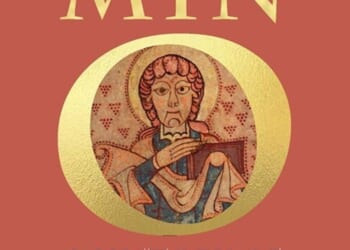
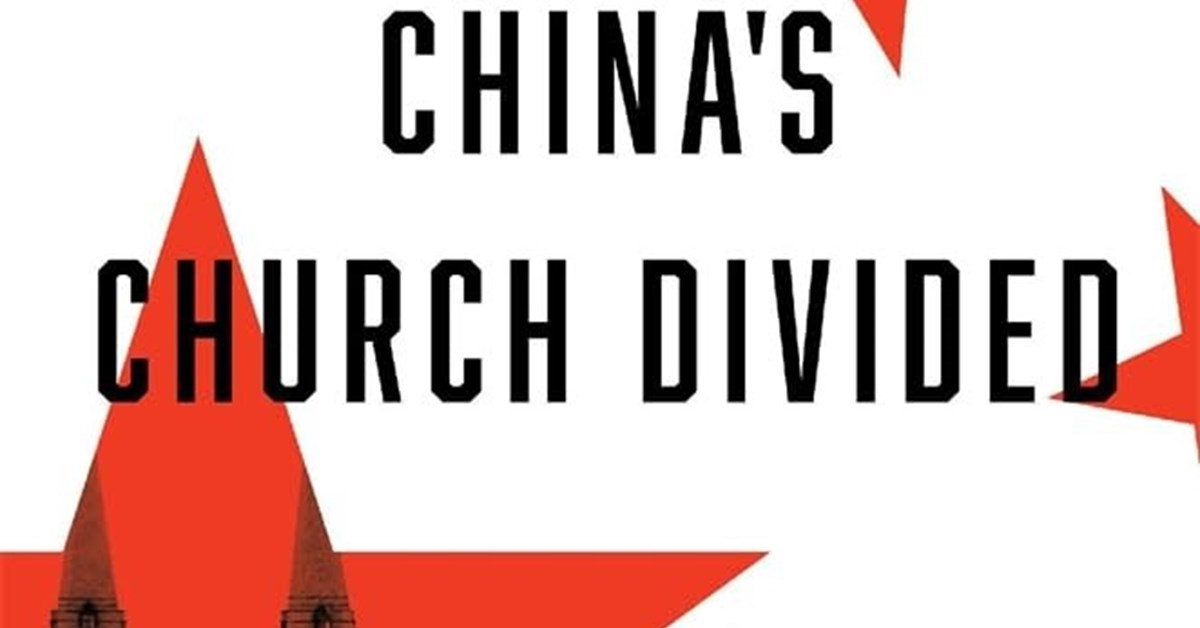
China’s Church Divided: Bishop Louis Jin and the post-Mao Catholic revival
Paul P. Mariani
Harvard University Press £41.95
(978-0-674-29765-4)
Church Times Bookshop £37.75