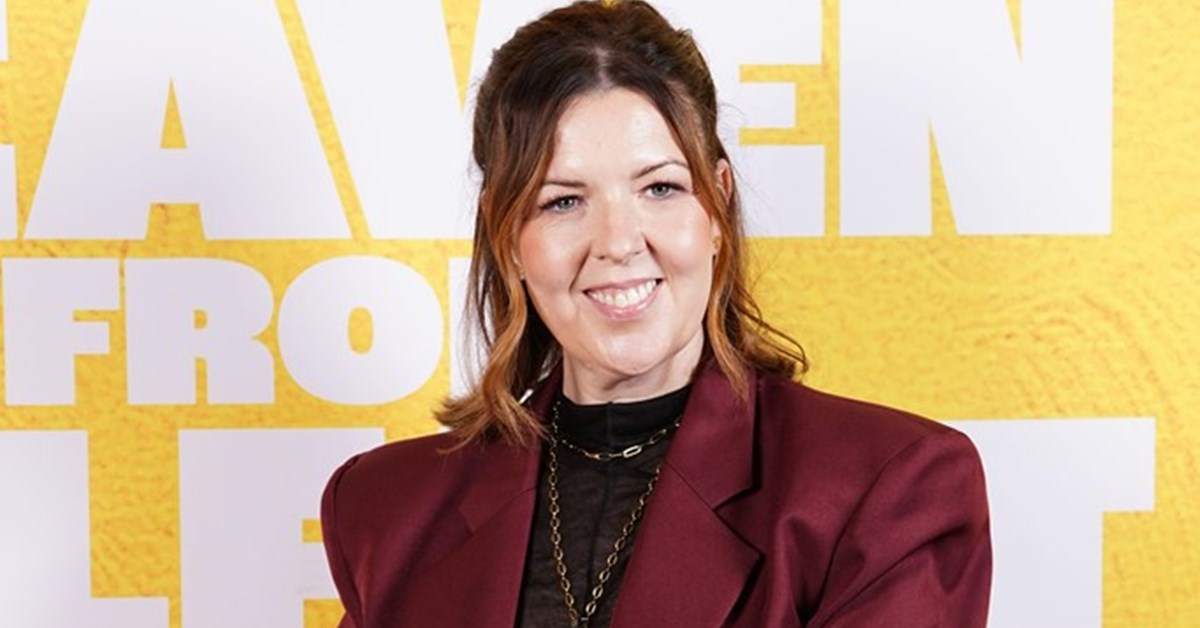
LURED to Sunday Morning (Radio Scotland) by promises of conversation about growing up Roman Catholic in 1980s Derry, I found that Zara Janjua’s interview with the Derry Girls screenwriter Lisa McGee was, instead, largely an opportunity for Ms McGee to plug her new Netflix series, How to Get to Heaven from Belfast.
There was a brief but fascinating exploration of the feminist vibe of her Roman Catholic girls’ grammar school, where her view of God was expanded by a nun who displayed a poster in her classroom proclaiming that “God is watching: yes, She is.” Ms McGee’s life could have been very different had she not ignored the disembodied voice that, while staying at a friend’s house in her early twenties, she heard telling her to become a nun.
Ms Janjua’s interview with Dr Gavin Francis was more elevating. Dr Francis, a practising GP, was on the air to plug not a show, but a book. The mental-health crisis has profoundly influenced his work in recent years. He suffered severe anxiety and depression as a teenager; and so he does not deny the severity of the symptoms that people experience because of mental-health issues. But he wonders whether the way in which we categorise conditions leads to incorrect treatment and obscures the degree to which the mind is resilient and adaptive.
The grave events of recent weeks in Iran probably deserve more media attention than they have received. So The Interview, conducted by Svetlana Reiter with the author Azar Nafisi (BBC World Service, Wednesday of last week), was timely. Brought up in a political family — her father was Mayor of Tehran when she was a young girl — Professor Nafisi was, like many liberals from the higher social classes, initially in favour of deposing the Shah, but soon came to regret that. Expelled from her university teaching job for refusing to wear a hijab, she eventually emigrated to the United States in 1997.
Her passion for political change in her homeland and distress at the killings and brutality of recent months shone through. It was also obvious how restricted communications between the diaspora and Iran have become in recent months — something that is probably causing distress to the growing Iranian membership in our congregations.
It is sometimes said that an increasingly feminised mainstream Christianity struggles to connect with young men hungering for spiritual meaning in the “quiet revival”. Emily Buchanan’s interview with the war surgeon Professor David Nott on Sunday (Radio 4) should provide some suitable counter-evidence. Professor Nott’s recent medical mercy trip to Burma was facilitated by the Free Burma Rangers, a volunteer war-zone paramedic group whose founder, Dave Eubank, an American pastor and former special-forces soldier, was also interviewed.
After that, even Ms Buchanan’s fascinating interview with the eruditely liberal new Archbishop of Westminster, the Most Revd Richard Moth, seemed mundane.