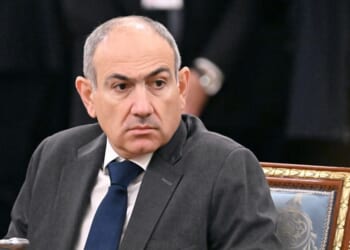
THE scandal involving the relationship between Lord Mandelson and Jeffrey Epstein is “extremely troubling”, the Work and Pensions Minister, Sir Stephen Timms, has said.
Speaking to the Church Times on the fringes of a conference at Westminster on faith and politics, Sir Stephen, who is Labour MP for East Ham, said of the Mandelson affair: “It’s obviously extremely troubling, what has emerged.
“I think the Prime Minister was absolutely right to sack Peter Mandelson [as US ambassador] when he did [last September], and there’s now a police investigation under way, and the Government will provide all the help and support for that investigation that is needed.”
Sir Stephen made the remarks on Friday, hours after Labour lost the by-election to the Green Party in Gorton and Denton — a result he described as “clearly disappointing”.
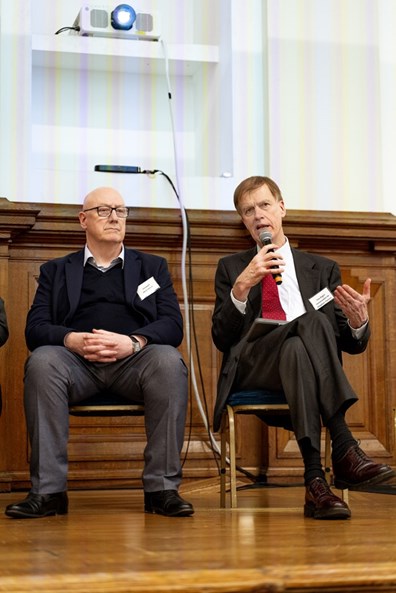 NEIL MASSEYSir Stephen Timms (right) with Stewart McCulloch, the CEO of Christians Against Poverty
He said: “I visited the constituency during the campaign, and picked up a lot of support for the Green Party at the time, and we’ve seen that translated into the result. It’s the kind of thing that happens . . . in the middle of a term in government. I’m pleased that the Reform Party was unsuccessful. I think they were upset about that. We’ve obviously got more work to do to persuade people that the way forward that we’ve charted is the right one.” He did not think that the Mandelson scandal had affected the vote.
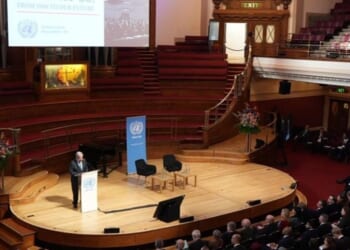
Sir Stephen was speaking at the Church Works summit, which took place at Methodist Central Hall, Westminster, and brought together people of faith and in government who work to support vulnerable people.
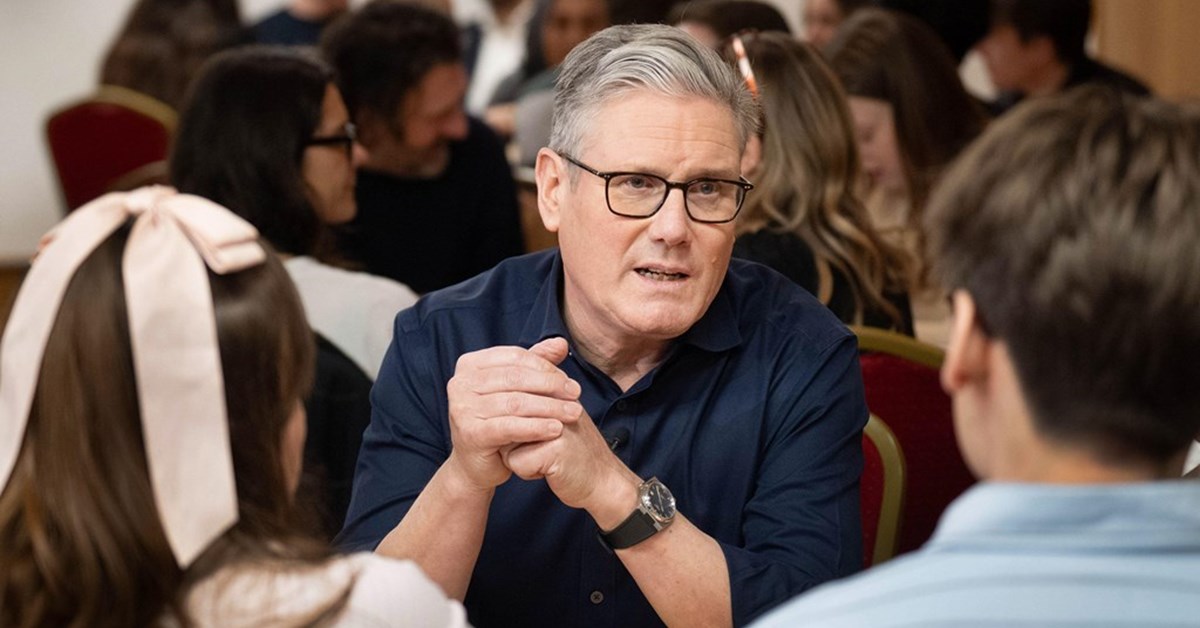
In a letter inside the event’s programme, addressing those present, the Prime Minister said that the Government remained committed to “working in close partnership with church leaders and congregations” to tackle social challenges and create opportunities for all. Sir Keir Starmer sent the message to the Church Works Commission, which is part of the Good Faith Foundation charity.
Opening the day of panel discussions, interviews, and workshops, Miatta Fahnbulleh, Minister for Devolution, Faith and Communities, who has been in post for six months, said that the Government was creating a “clearer framework for how government and civil society can work together” to serve communities.
She acknowledged, however, that they “must go further to strengthen community cohesion and resilience, especially in places which face the greatest risks and threats”.
Ms Fahnbulleh, who is now also Parliamentary Under-Secretary of State at the Ministry of Housing, Communities and Local Government, said that “decades of underinvestment have entrenched deprivation and stifled growth, particularly in the communities that have too often been left behind.”
She also warned about “groups seeking to exploit genuine protests and legitimate concerns”, and “ongoing opposition to asylum hotels”.
“We can rightly take pride in the UK as an overwhelmingly inclusive country, but there are pressing issues that demand our focus and urgent action,” she said.
“We saw this, during the widespread disorder in the summer of 2024, and in the ongoing opposition to asylum hotels. Of course, there have always been groups seeking to exploit genuine protests and legitimate concerns, but we cannot ignore the impact this has on our communities. We know we must go further, to work with councils, communities, and faith partners to strengthen community cohesion and resilience, especially in the places which face the greatest risks and threats.”
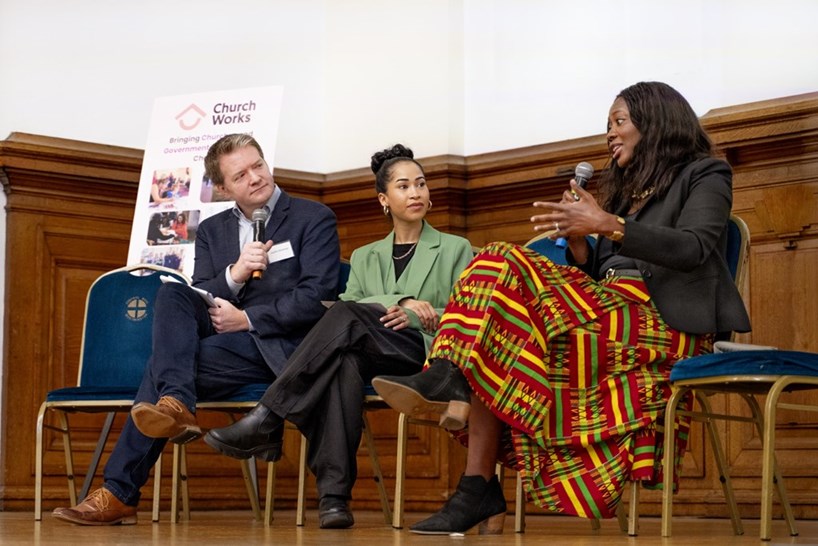 NEIL MASSEYJustin Brierley (left), Swarzy Shire (centre) and Miatta Fahnbulleh (right) speaking at the Church Works event
She continued: “My department is leading a cross-Government effort to address the deeper, underlying issues that drive division — working hand in hand with communities and local partners to rebuild trust, renew relationships, and strengthen social bonds. I hope to say more about this in the weeks to come.”
Speaking later in a panel discussion on poverty, Sir Stephen praised the Government’s work on the issue, including scrapping the two-child benefits cap last year, but he continued: “I think there should be some new, formalised partnerships between government and churches, and church-based organisations.
“I hope there will be properly developed communications channels between people working in churches on the front line and the Government, so that when things start to change, there’s a quick communications mechanism, so that in Government we understand what’s going on, alter our policies, and move things in the right direction.”
He also called for “much better, developed local partnerships between local authorities and churches”.
Friday’s event was hosted by the Christian broadcasters Justin Brierley and Swarzy Shire.