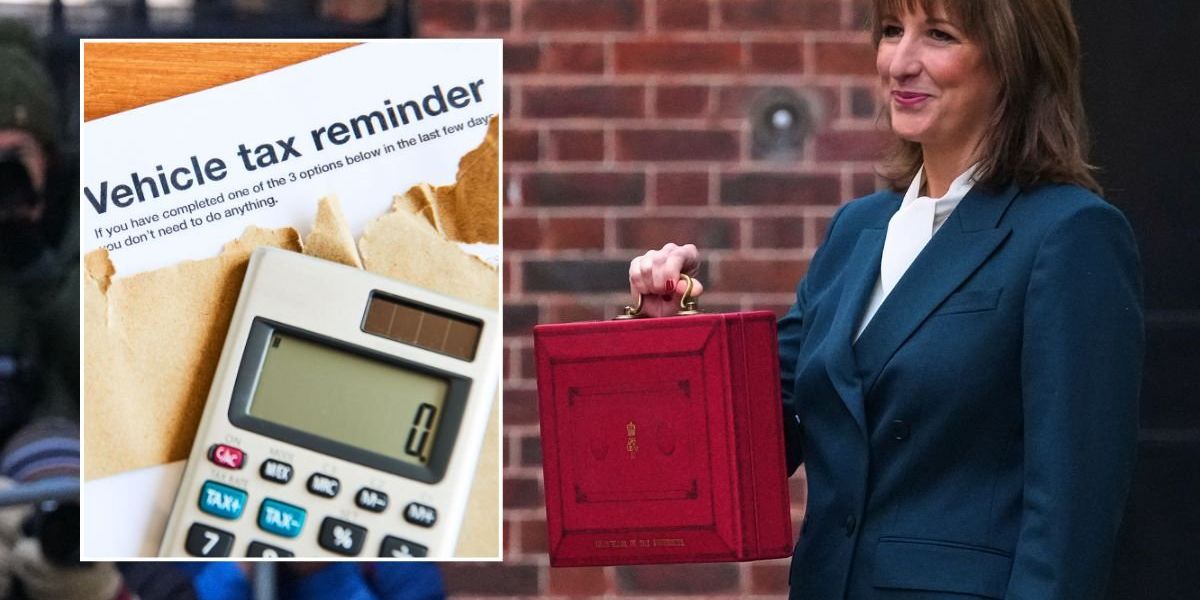
Motorists have been warned they have only a few weeks left until new Vehicle Excise Duty rates come into force on April 1, slamming millions with higher car taxes.
The standard annual VED charge will rise by £5, moving from £195 to £200 for the majority of vehicles registered after April 2017.
The increase announced at the Autumn Budget by Chancellor Rachel Reeves applies to petrol, diesel, hybrid and electric cars, meaning drivers renewing their tax from next month onwards will pay the revised amount.
New EVs registered from April face a first-year charge of £10 before moving to the standard £200 rate in subsequent years.
The changes arrive as battery electric vehicles continue gaining ground on British roads.
By the end of January 2026, more than 1.85 million BEVs were registered in the UK, accounting for approximately 5.4 per cent of the nation’s 34 million vehicle fleet.
Rhydian Jones, car insurance expert at Confused.com, warned: “At a time when many other motoring costs are also set to rise this year, these new rates may come as unwelcome news for some drivers.
“The key thing is to make sure you understand how the new rates apply to your car so you can plan ahead.”

Chancellor Rachel Reeves confirmed new car taxes at the Autumn Budget
|
GETTY/PAThe Chancellor revealed plans for the Expensive Car Supplement threshold for electric vehicles to increase substantially, rising from £40,000 to £50,000 from April 1.
This additional levy, which totals £2,370 and is spread across five years beginning in the second year of ownership, will no longer apply to battery electric cars priced at £50,000 or below.
Experts have noted how this change could be a welcome update as many family-sized EVs fall into the £40,000 to £50,000 price bracket.
The change also benefits drivers who purchased electric vehicles between April 2025 and March 2026 with list prices in that range.

Car tax hikes will come into effect on April 1
|
PAThese owners, who would previously have faced the supplement from their second year of taxation, will now avoid the extra charge when renewing from April onwards.
Buyers of new diesel vehicles face the steepest increases under the revised tax structure as first year VED rates for diesel cars registered from April 1 2026, will climb dramatically, with the most polluting models emitting over 255g/km of CO2 subject to charges reaching £5,690.
For vehicles registered between March 2001 and April 2017, the highest-polluting band will see annual rates rise from £750 to £790.
Mr Jones cautioned that the amount drivers pay depends on both their vehicle’s registration date and fuel type, urging motorists to check their specific circumstances before renewal deadlines arrive.
 The new tax changes will see EV drivers pay 3p per mile and 1.5p per mile for plug-in hybrids | GETTY
From April 2028, a new pay-per-mile tax will be introduced to compensate for declining fuel duty revenue, charging battery electric cars 3p per mile, and plug-in hybrids 1.5p per mile.
Richard Evans, from webuyanycar, calculated that for a typical battery EV driver covering 8,500 miles annually, this would add roughly £255 in yearly expenses.
He added: “To find out which set of tax bands applies to your car, check the date of registration in your V5C logbook, and use a car tax checker tool to check if your car is taxed.
“If your car was first registered from March 1, 2001, you can also use our CO2 emissions check tool to find its emissions level. From here, you can work out how much car tax you’ll have to pay.”