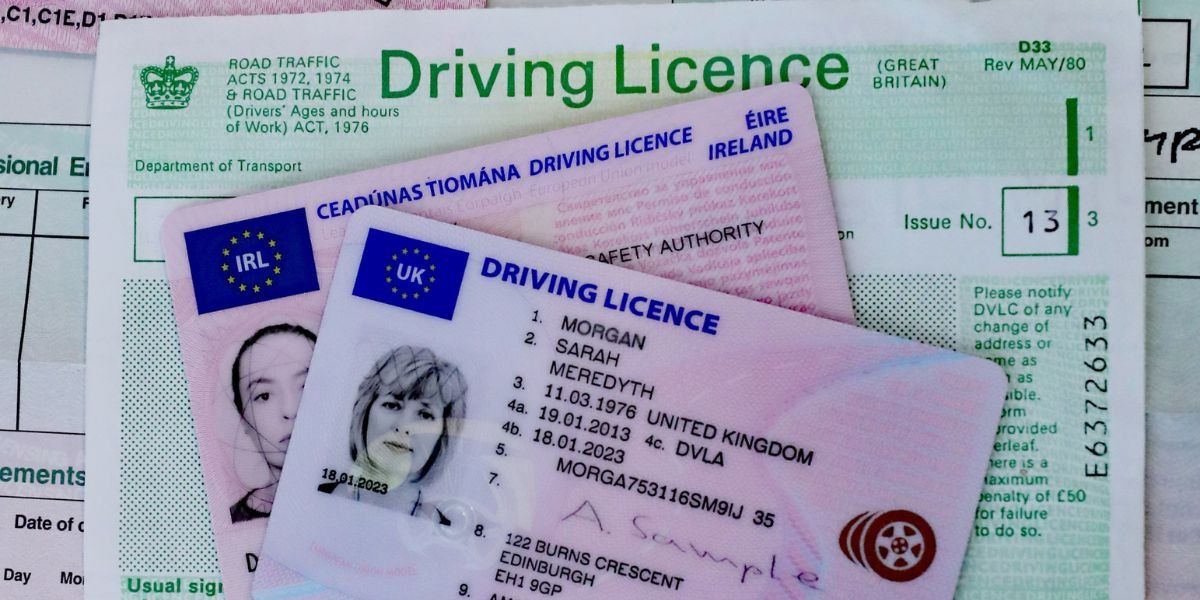
New driving licence rules will be introduced in the coming months that aim to crack down on dangerous drivers, as new data shows that road collisions remain at a high level among young people.
Research from the Department for Infrastructure in Northern Ireland found that drivers aged between 17 and 23 were deemed responsible for all fatal or serious collisions last year.
Despite this, they account for just eight per cent of licence holders, highlighting how young people are dramatically over-represented in collision data.
There were 251 fatal or serious casualties from collisions involving a car driver between 17 and 23, which was 15 per cent higher than the average recorded between 2012 and 2016.
Between 2020 and 2024, just under one-third (31 per cent) of all fatal and serious collisions took place in darkness.
However, this number soared to 49 per cent for car drivers aged between 17 and 23, a slight increase compared to data from 2012 and 2016.
Northern Ireland has confirmed that it will launch Graduated Driving Licences (GDL) to deal with the safety issues and protect all road users.
This will involve young people facing additional restrictions when training to get their driving licence, as part of the new Road Safety Strategy Action Plan.
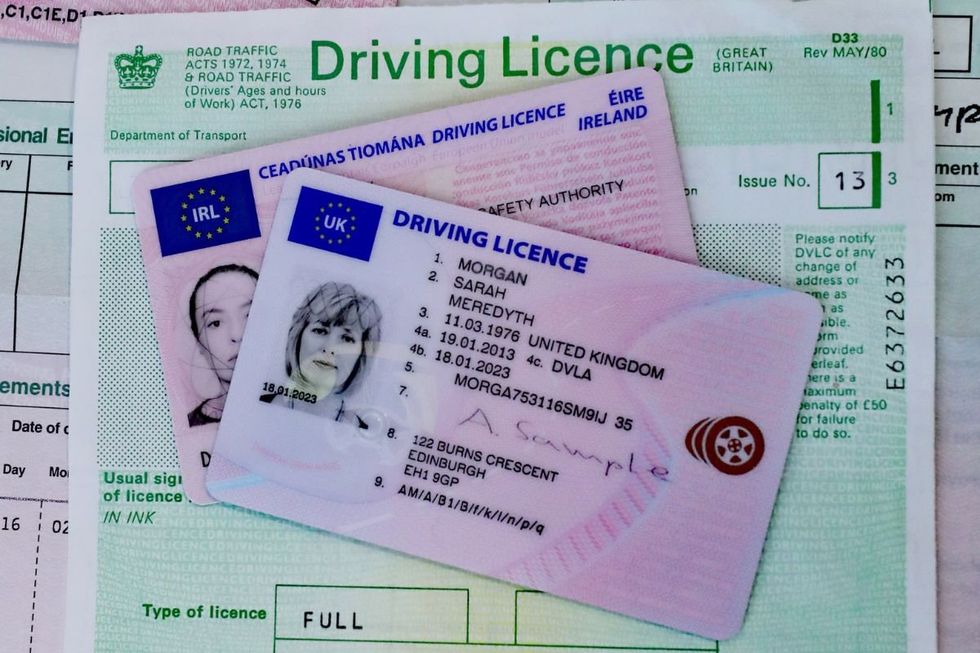
New driving licence rules will be introduced in Northern Ireland on October 1, 2026
|
PAThese measures will see young people face a mandatory minimum learning period of six months before a learner driver can take their practical test.
New drivers under the age of 24 will also face nighttime restrictions for six months, while they will be banned from carrying same-age passengers, unless they are immediate family members.
Infrastructure Minister Liz Kimmins met with students from a school in Limavady today to discuss the incoming scheme and the impact it could have on young people.
She said: “I was delighted today to meet students from St Mary’s High School and Limavady High School to discuss the new Graduated Driver Licensing Scheme and hear their views on the scheme and how it will improve road safety for younger drivers and improve progression to attaining a full driver’s licence.
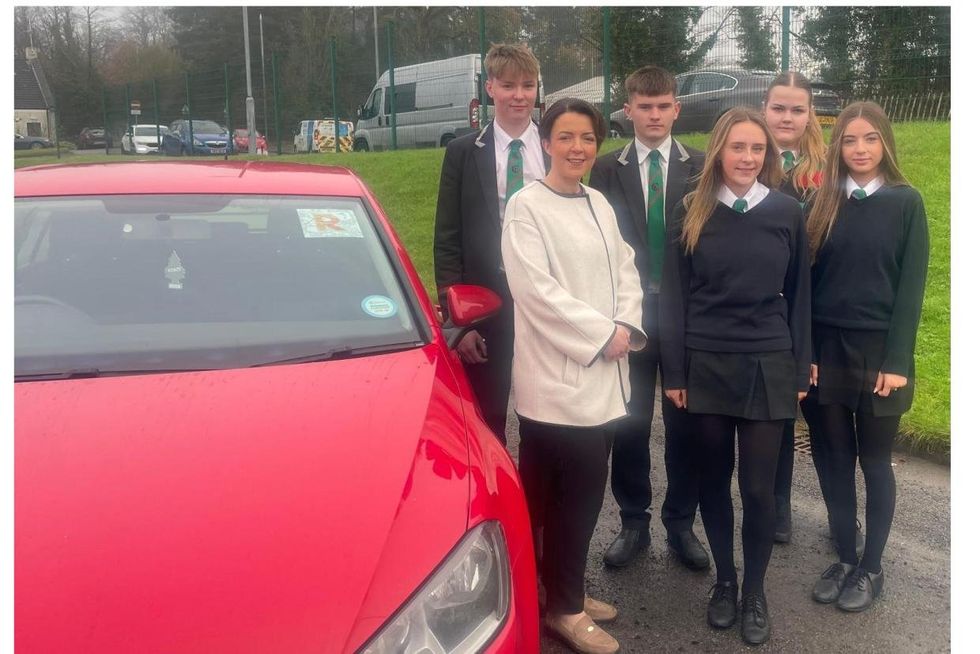
Minister Liz Kimmins alongside students at Erne Integrated College in Enniskillen, who will be among those learning about Graduated Drivers Licensing | DEPARTMENT FOR INFRASTRUCTURE
“This is the most significant reform to driver licensing and testing in almost 70 years, with these changes aimed at young drivers who are sadly most likely to be killed or seriously injured on our roads.
“Behind these figures are too many shattered lives as loved ones set off on an everyday journey and suffer life-changing injuries or never come home to their family and friends.”
She emphasised changes to the structure of the learning process, with all motorists required to complete a Driver’s Programme of Training and Logbook.
This is designed to help young people understand how their attitude, personality, behaviour and feelings can impact their ability behind the wheel.
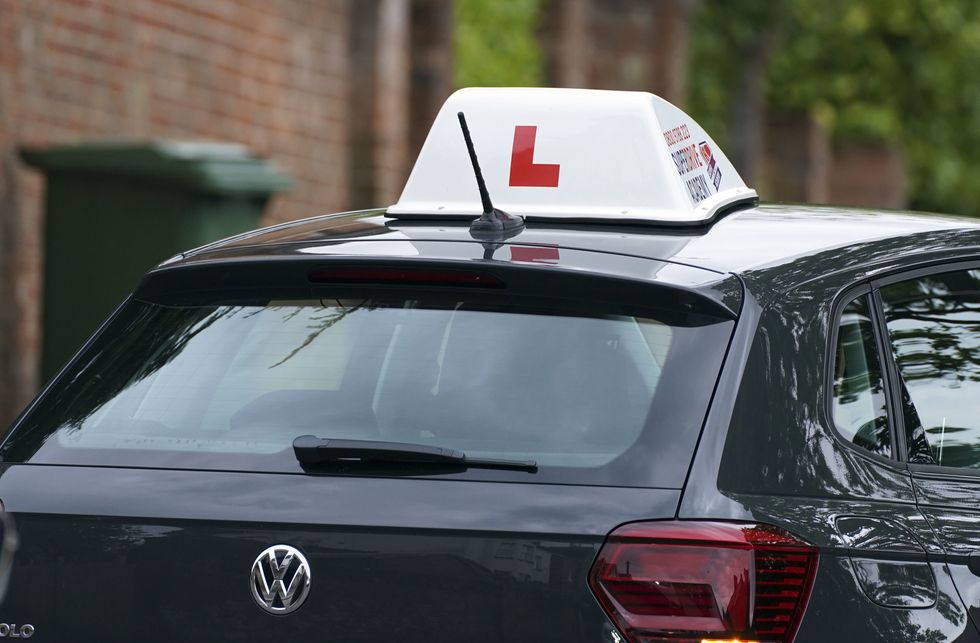
Learner motorists will face new restrictions when getting their licence
|
PA“Road safety is a significant priority for me and my Department, and GDL will be invaluable in helping ensure everyone who uses our roads, does so safely,” Ms Kimmins said.
The GDL scheme will be introduced on October 1, 2026, and will apply to prospective car drivers and motorcyclists.
Analysis from other nations has shown a strong link between the Graduated Driving Licence and improved road safety among young people, with the measures in place in New Zealand, Canada and some US states.