THE Archbishop of Canterbury has offered her prayers for the families of the two young people who died from meningitis in Kent on Sunday.
An 18-year-old, named only as Juliette, and a 21-year-old university student, who has not been identified, both died in the outbreak. More than 10 others are being treated in hospital.
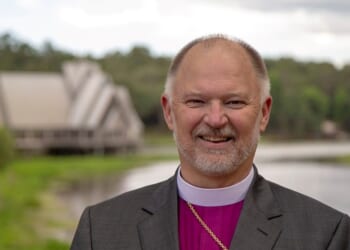
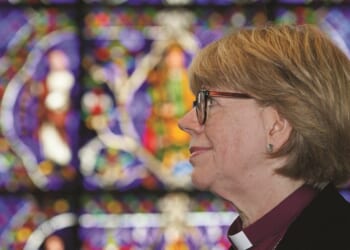
Archbishop Mullally said on Tuesday: “My prayers are with the families of the two young people who have tragically died in the meningitis outbreak in Kent. My heart goes out to them in their devastating loss. I’m praying, too, for all those who’ve been affected by the outbreak, and for everyone working so hard to care for them and protect local communities.”
Canterbury Cathedral also offered their thoughts and prayers to “the families who have been plunged into grief alongside all those who are working hard to sustain the wellbeing and health of others”.
In a statement published on Monday, the cathedral also listed the symptoms of meningitis and septicaemia, and guidance on where to seek help.
“We will continue to monitor the situation and follow guidance from UK Health Security Agency. Currently, the advice is that services, gatherings and Cathedral visits continue as planned,” the statement concluded.
The deputy director of immunisation and vaccine preventable diseases at the UK Health Security Agency (UKHSA), Dr Gayatri Amirthalingam, said on Tuesday that tests showed the bacterial strain of the disease to be the group B meningococcal strain.
Those born before 2015 are not protected against this strain unless they have had the immunisation privately, which costs between £100 and £120 per dose in the UK. The Meningitis B vaccine was introduced on the NHS for babies in 2015.
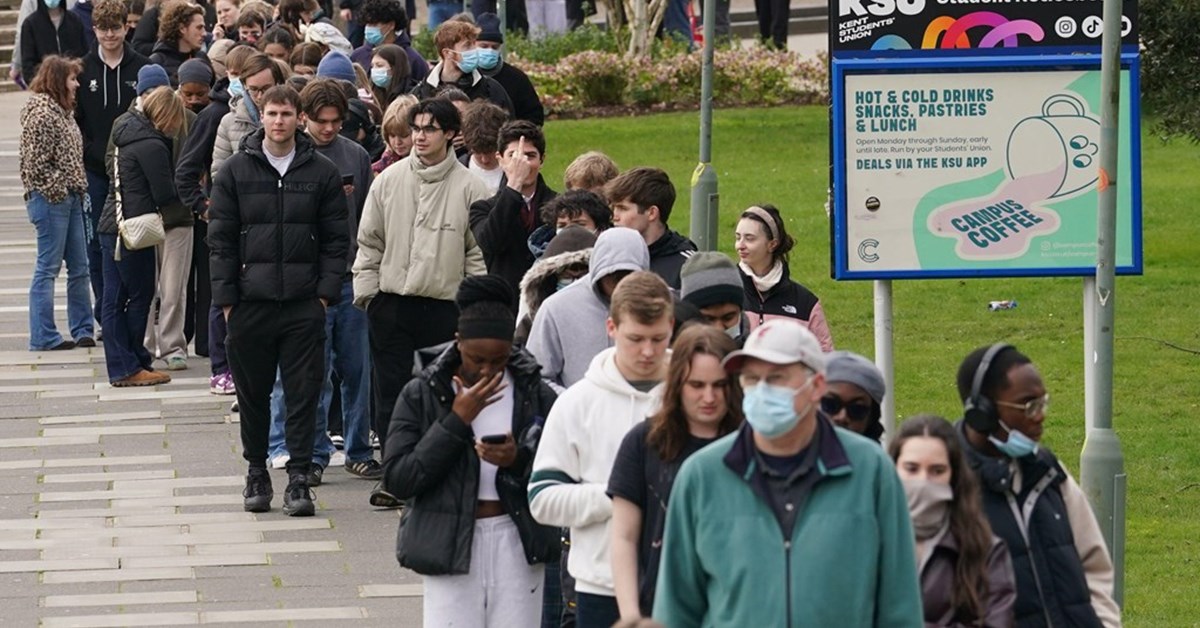
Close contacts of those infected have been offered prophylactic antibiotics, as have individuals who visited Club Chemistry in Canterbury between 5 and 7 March. Investigations confirmed that some of those who are ill had visited the nightclub prior to becoming unwell. The UKHSA described the offering of antibiotics as a “precautionary measure”.
UKHSA’s regional deputy director for the South East, Trish Mannes, said on Monday: “Our thoughts remain with the friends and family involved and we understand that many people in the university and wider community will be affected by this sad news. . . If you think you may have symptoms of meningitis, do not hesitate to seek medical help by contacting your GP or calling NHS 111.”