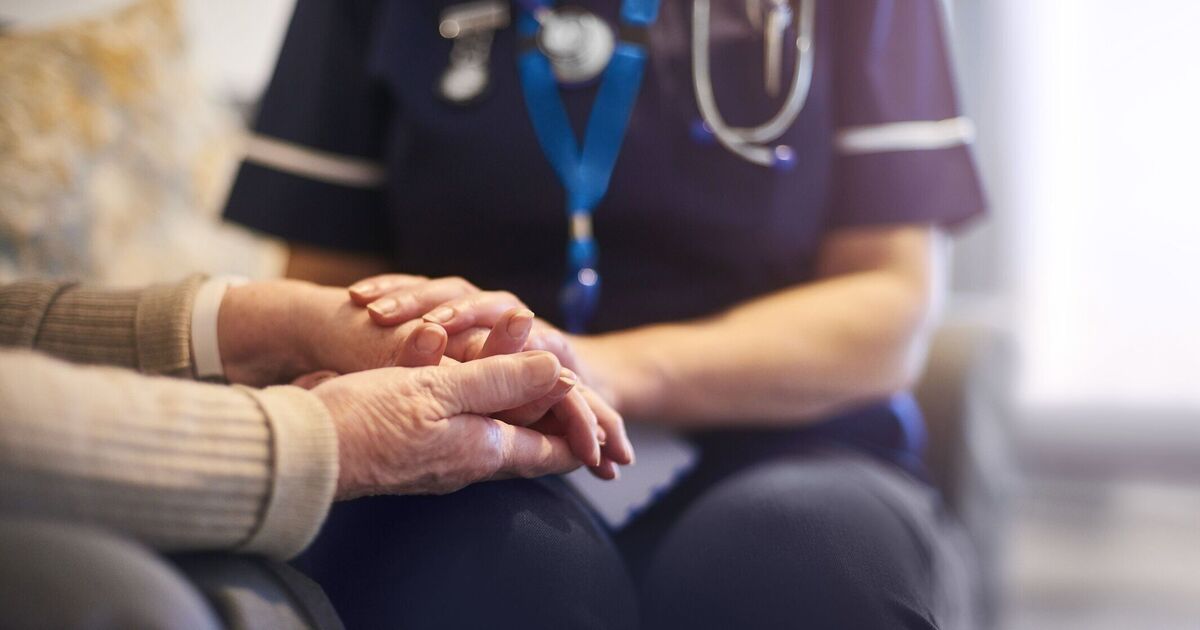

Britain faces a crisis in palliative care (Image: Getty)
Labour’s failure to tackle the crisis facing the nation’s hospices means people are dying in NHS hospital corridors “without pain relief”, the Government has been told. Hospice providers and MPs warn of a funding emergency which has resulted in redundancies and cut back services. This means too many people spend their last days in a hospital instead of dying at home or receiving the very best in end of life care in a hospice.
MPs from across the political divide have blasted the Government and NHS England for “not responding to the growing financial crisis in the adult hospice sector with the seriousness and urgency needed”. Around half a million people die in England each year and 42% pass away in hospitals – where many “do not want or need to be”, according to a major report from the public accounts committee published today. Fewer than three in 10 (28%) die at home with a mere 5% dying in hospices.
Toby Porter, the chief executive of Hospice UK, said: “Hospices are facing a genuine cliff edge as funding fails to keep pace with rapidly rising costs and growing demand.”
Nearly six in 10 hospices in England have made or are considering making cuts to frontline services, he added.
He said: “People are dying in corridors, people are dying without pain relief, and lack of funds means hospices are cutting back services when they should be expanding them. High-quality palliative and end of life care must be available to everyone who needs it, and hospices be properly funded, to be there for everyone who needs them.”
Independent hospices save the NHS an estimated “1.5 million bed days and more than £800million each year”, according to the cross-party report. Hospices spend approximately £1.2billion a year on care but receive only around £420million from integrated care boards (ICBs), meaning these vital services are dependent on charitable support.
Mr Porter said the present funding system is “not fit for purpose” and warned that “desperately needed hospice beds” are closed off because of staffing costs.
His organisation warns that more than 20 hospices have already made cuts to services, or “made valued staff redundant, with some reducing inpatient beds, limiting community care or cutting specialist support such as counselling and bereavement services”.
Sam Royston, of end of life charity Marie Curie, said the research had “laid bare” a crisis, saying: “Almost one in three people lack the end of life care they need, with many dying in pain or alone due to overstretched, underfunded services… Dying well should not depend on where you live or what you can give to a charity. It is a basic expectation that government has a duty to meet.”
Read more: 1 in 3 die without proper care – 240 MP’s back emergency action action
Read more: ‘I helped run a hospice, now I fear Rachel Reeves could destroy it’
Caroline Abrahams, Age UK’s director, described hospices as the “bastion of palliative and end of life care in our country” but warned provision is “notoriously patchy”. Changing this, she added, must be an “urgent priority” so “everyone can die with dignity”.
Sir Geoffrey Clifton-Brown, who chairs the committee, said: “The mark of a civilised society is how it treats its elderly people, and the services provided by hospices in England could not be more important in that regard.”
He accused the Government of a “blithe certainty that the sector’s challenges will be resolved at the local level” and warned of a “funding cliff-edge” in April. It is feared there will be further reductions in services if new funding is not injected into the sector before the new financial year.
Hospice UK has previously reported that 380 beds are out of use in English hospices. It says this is an increase of more than a quarter on the previous year.
Laura Barker, chief executive of St Cuthbert’s Hospice in Durham, warned: “Reducing services and losing valued staff, at a time when the need for palliative and end of life care is growing, has a hugely detrimental impact on the communities we serve.”
Gareth Pierce, who runs Forget Me Not Children’s Hospice in Huddersfield, added: “While the demand for our services continues to grow, rising costs and long‑term underfunding have meant we’ve had to make some incredibly difficult decisions about how we deliver care. In January 2025 we had to make significant cost-savings including reductions in staffing which, inevitably, impacted on some of our frontline services, such as short breaks and respite care, which many families rely on.”
Becca Trower, chief executive and Clinical Director at St Raphael’s Hospice in Sutton, said her hospice had been forced to cut “a third of our community services” 18 months ago.
“This included ceasing our Hospice at Home team completely,” she said. “Those reductions have already had real consequences; some patients now receive less support than they need, leading to distress at home or unnecessary hospital admissions.”
Ms Trower added: “Without urgent action on funding, our ability to provide timely, effective care for patients will be increasingly compromised and ultimately our sustainability will be in jeopardy.”
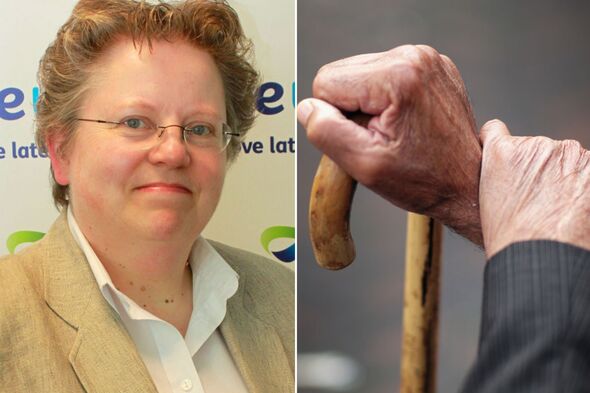
Caroline Abrahams described hospices as a ‘bastion of palliative care’ (Image: -)
The report describes how “around one in four adults cared for in acute hospitals are in the last year of their life, accounting for about 10 million bed days each year, when many could be in other settings that are better suited to supporting their needs”.
It says that while ICBs have a legal duty to commission palliative care services that meet the needs of the local population, this has “not yet delivered equal access to quality services”.
Shadow Health and Social Care Secretary Stuart Andrew said Labour’s shock increase in employers’ National Insurance contributions was making it more expensive to keep care staff in jobs.
He said: “Hospices are under intense pressure and Labour have made their plight worse by piling higher and higher costs onto their shoulders. Labour’s Jobs Tax has made it more than £800 more expensive to employ a single person and that has made it more difficult for hospices to make ends meet and deliver the services people deserve at the end of their lives.
“Terminally ill people should be treated with dignity and respect. The Government need to urgently set out how they will ensure hospices have the capacity to give people the right care across the board.”
A Department of Health and Social Care spokesperson said: “Hospices do incredible work to support people and families when they need it most and are facing incredibly tough pressures.
“This Government has made the biggest investment in hospices in a generation, £125million, to improve hospice facilities, freeing other funding for patient care, and has also committed £80million for children’s and young people’s hospices over three years.
“We will soon set out our plans to modernise and improve the palliative and end of life care sector, as we shift more healthcare out of hospitals and into the community, with hospices playing a central role in delivering care closer to home.”