WASHINGTON—The Federal Reserve this week held interest rates steady, a shock to observers who assumed geopolitical tensions and rising oil prices may have moved the board to cut rates.
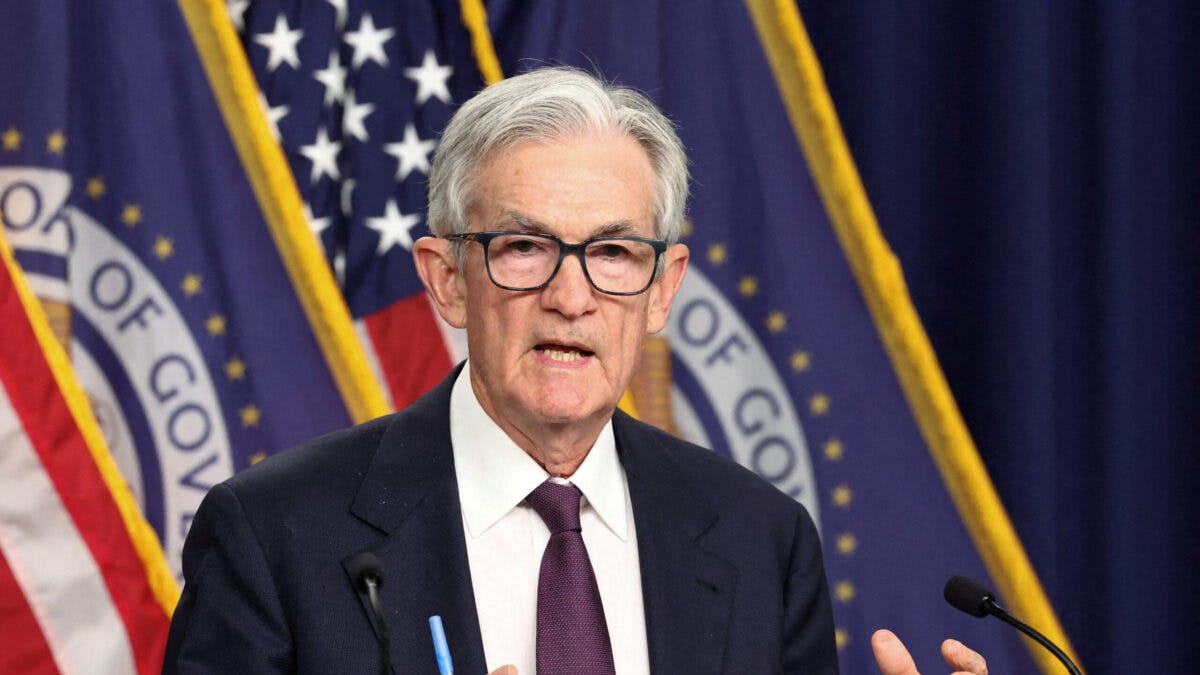
Fed Chair Jerome Powell stressed in a Wednesday briefing that the board was holding steady as events in the Middle East played out.
“In the near term, higher energy prices will push up overall inflation,” Powell said, “but it is too soon to know the scope and duration of the potential effects on the economy.”
Fed Governor Stephen Miran, a Trump appointee, dissented from the decision, favoring a rate cut rather than maintaining the current range of 3.5% to 3.75%.
“The thing I really want to emphasize is that nobody knows,” Powell added. “The economic effects could be bigger, they could be smaller or they could be much smaller or much bigger. We just don’t know.”
Stressing the unusually high level of uncertainty facing policymakers became a theme of Powell’s press briefing.
Powell said the Federal Reserve is guided by past oil price spikes, which have typically been temporary and had little lasting impact on inflation. However, after five years of inflation running above its 2% target, he added that the Fed remains vigilant for signs of more persistent price pressures.
He also noted that the United States’ position as a net energy exporter could help offset some negative impacts. Higher oil prices may weigh on consumers worldwide, but they also boost profitability for domestic energy companies, potentially leading to increased drilling and investment. Over the longer term, sustained elevated oil prices could drive further expansion in domestic energy production, as firms respond to stronger incentives to increase supply.
One moment of certainty was the continued pattern of the Federal Reserve fighting persistent inflation and a weakening labor market.
Since September, Powell has emphasized the challenge of balancing the Fed’s dual mandate which is maintaining price stability while maximizing employment. “We are balancing these two goals in a situation where the risks to the labor market are to the downside which would call for lower rates and the risks to inflation are to the upside which would call for higher rates and not cutting.” Ultimately, the Federal Reserve chose to leave rates unchanged in an effort to balance these competing pressures.
Powell’s March meeting marked his second-to-last as Fed chair before his successor, Kevin Warsh, is sworn in. Powell confirmed that he will serve out the remainder of his term until Warsh is officially confirmed as chair.