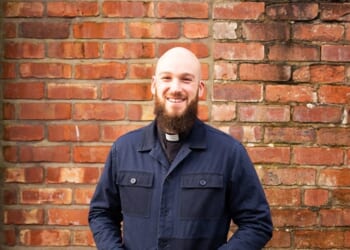
“Even without therapy, many people around the world have experienced changes in their patterns of attraction and behavior.”
Dr. Paul Sullins, Senior Research Associate at the Ruth Institute, recently published “Sex Differences in Reported Effectiveness and Psychosocial Effects of Therapy-Assisted Sexual Orientation Change.”
His analysis shows:
- All the individuals in this sample had reduced their same sex behavior to “slight” or none.
- Although most sought out supportive therapy, 41% changed their same sex sexual behavior with no sexual reorientation therapy.
- Therapy affected men and women differently. Women were more likely to have strongly reduced same sex attraction than men, 88% v. 39%.
- Therapy to change sexual orientation sometimes brings relief from other psychologically troubling issues, most notably reductions in depression for women and reductions in self-harm for men.
“This new peer-reviewed study calls into doubt the assumptions behind worldwide efforts to regulate change-allowing therapy out of existence,“ Morse notes.
“‘Conversion therapy’” is currently restricted or outright banned in 27 US states and about 30 countries,” Morse said.
The US Supreme Court is expected to rule on the constitutionality of Colorado therapy bans in the Chiles v. Salazar case this June.
In Iceland, a priest faces a probe into whether he violated the country’s ban. In Malta, a man’s radio testimony of Christian conversion that involved leaving behind an LGBT identity prompted an investigation from the human rights commission.
RELATED: Brave priest in Iceland stands up to government on homosexual sin
In the Australian province of Victoria, “It is against the law to try to change or suppress someone’s sexual orientation or gender identity, even if they ask for help.” This restriction includes prayer.
“The theory underlying these prohibitions is that sexual orientation is an innate immutable trait; therefore, an attempt to change is unnecessary and even cruel,” Morse notes.
Fr. Sullins’ study, as part of the Ruth Institute’s Leaving Pride Behind project, began with 183 men and women who filled out an extensive survey about their journeys into and out of an LGBT experience.
“Most such studies are heavily weighted toward men,” Morse said. “The women in our sample were more likely to succeed in changing the intensity of their same sex attractions and were more likely to be helped by change-allowing therapy.”
“This is consistent with research on sexual orientation fluidity, which shows that sexual orientation is more fluid for women than men.”
“This point alone shows that banning sexual reorientation therapy is deeply misguided. Women are the most likely to benefit from this therapy. Denying them, based on studies that only include men, is patently unfair.”
“The results of this study cast serious doubt on the claims that no one ever changes and attempts to change are harmful,” Morse said.
“Ignoring those who have changed is unacceptable. They deserve to be part of the therapy conversation. Our new study gives them a voice.”
RELATED: Former homosexual prosecuted for describing conversion to Christianity acquitted by Maltese court