A council has blocked a housing development plan after the discovery of one of Britain’s rarest bat species at the site.
Stone Developments had applied to Wiltshire Council to build up to nine homes, including a mix of detached and semi-detached properties, at Five Farthings near Dilton Marsh.
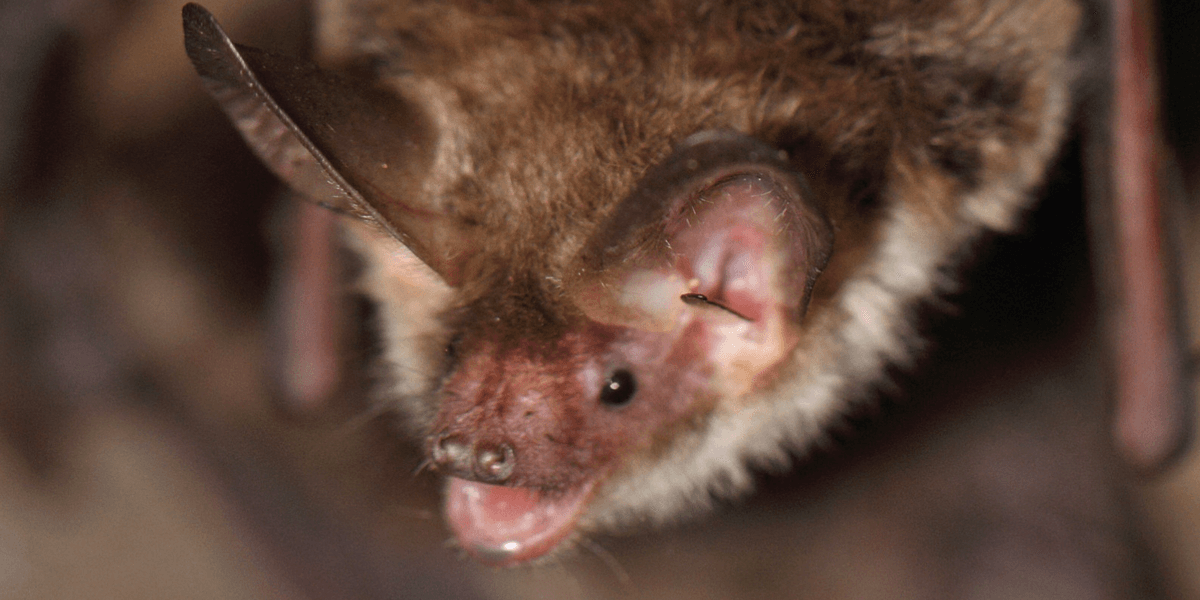
However, the council ruled that the half-hectare site is of significant importance to Bechstein’s bats – one of the UK’s most endangered species.
According to the Local Democracy Reporting Service, only a handful of breeding colonies are known to exist nationwide.
The developer challenged the decision, arguing that similar schemes had been approved within the nearby Bath and Bradford-on-Avon Special Area of Conservation (SAC).
But Wiltshire Council stood firm, stating that “insufficient information” had been provided to carry out an appropriate environmental assessment.
Officials also noted that no financial contributions had been secured towards council-led habitat mitigation.
They added the authority could not conclude the development would avoid “adverse effects on the integrity” of the protected bat habitat.

The council ruled that the half-hectare site is of significant importance to Bechstein’s bats
|
GETTY
The Planning Inspectorate has since upheld the council’s refusal.
It highlighted that the SAC is designated to protect three species – greater horseshoe, lesser horseshoe and Bechstein’s bats – and that conservation rules require their habitats to be maintained.
The inspectorate warned the development posed a “heightened risk” to the area’s ecological integrity.
“Where any uncertainty remains, permission must be refused,” the ruling said.
ANIMALS – READ THE LATEST:

Wiltshire Council said ‘insufficient information’ had been provided to carry out an appropriate environmental assessment
|
By law, if a rare species is present, developers must avoid or reduce harm.
In September, a fierce row erupted after the discovery of barbastelle bats ground the North Hykeham Relief Road project in Lincolnshire to a halt.
Plans for a £3million grass-covered “bat bridge”, a £1.3million “bat tunnel” and additional bat “hop-overs” were submitted to the council in order to complete the construction of the road.
However, Sean Matthews, a retired police officer who became the first Reform UK leader of Lincolnshire County Council in May, branded the plans “nonsense”.

There are 18 different species of bat that call Britain home
|
GETTY
Reform UK deputy leader Richard Tice weighed in on the plans, labelling them an “outrageous waste of taxpayers cash”.
At the time, a spokesman for Natural England said: “Natural England were consulted twice as the proposal evolved neither time did we give advice on bats or raise an objection to the scheme over bat mitigation for the North Hykeham Relief Road.
“The proposals have been designed by the developers based on their own ecological surveys and legal obligations.”
There are 18 different species of bat that call Britain home – making up almost a quarter of all the country’s mammal species.