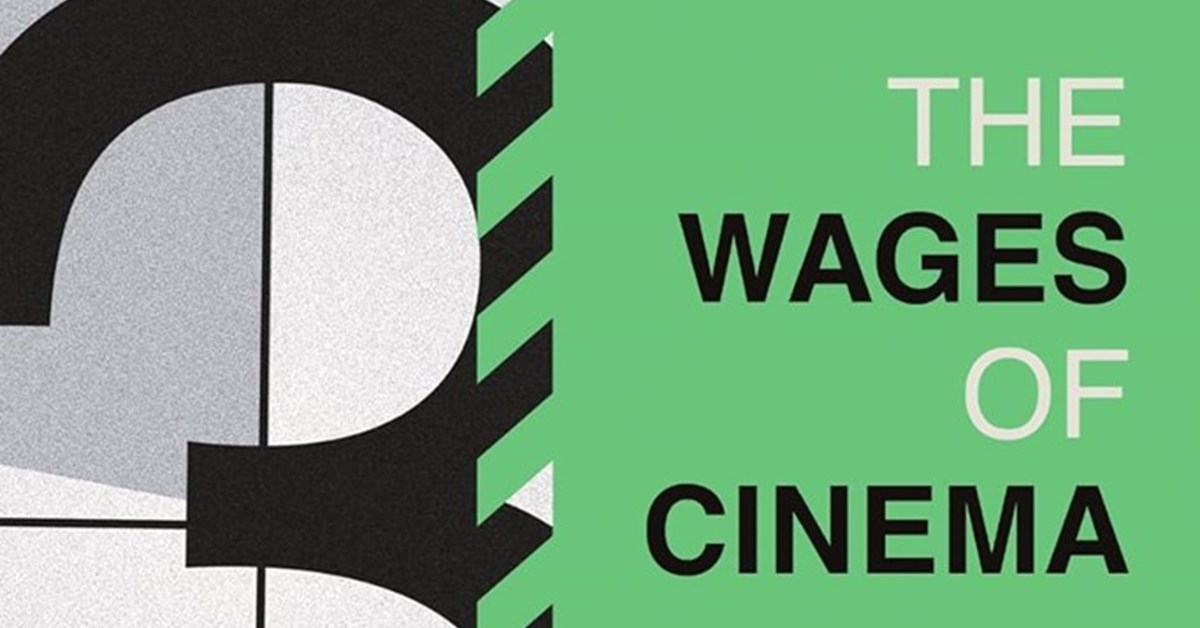
DESPITE a rather clumsy pun of a title, Crystal L. Downing has produced something to interest cinephiles while challenging superficial Christian film interpretations intended “to manipulate the minds of spectators”. The quotation is from Dorothy L. Sayers, a translator of Dante, who like Virgil for the poet in the Divine Comedy, becomes the author’s guide. She is called “a prophet of cinema”.
In Subversive: Christ, culture, and the shocking (Broadleaf Books, Minneapolis, 2020), Downing argued that, rather than perceive Christianity as a “prim tea party”, Sayers encouraged people to engage culturally with a radical Jesus. This new book applies this to cinema studies, critical of those “extracting salvation messages from movies while displaying no knowledge of film theory”. The medium is the message.
Defining the wages of cinema proves elusively enriching. Downing draws heavily on The Mind of the Maker, in which Sayers suggested that human creativity was analogous to the ongoing work of the Trinity: beginning with an Idea that becomes Incarnational through the power of Energy. Sayers and Downing agree that the production and watching of great movies bring spiritual rewards. This allows Downing to select films that she considers as falling into this category. She offers absorbing analyses, not just of art-house films, but of Hollywood productions such as Birdman, The Bridge on the River Kwai, and Barbie, all praised for their cinematic techniques in showing rather than telling insightful stories about the human condition.
Elsewhere, Downing sails perilously close to castigating all mainstream films made for financial gain. Her mentor held similarly ambivalent views on they way in which cinema operates, but it can be argued that other areas of the arts have equally relied on patronage without its compromising sublime creativity.
Downing has acquainted herself impressively with the history of filmmaking as well as expositions of various film theories. Sayers’s writing on Christian aesthetics makes scant reference to cinema per se, but Downing makes good, if occasionally strained, application of it. She is at her best in identifying heretical tendencies in film, such as Pelagianism and Manichaeism, while revelling in occasions when the good, the true, and the beautiful enable us to see God’s glory.
The Revd Stephen Brown is the Church Times film critic.
The Wages of Cinema: A Christian aesthetic of film in conversation with Dorothy L. Sayers
Crystal L. Downing
IVP Academic £22.99
(978-1-5140-0880-5)
Church Times Bookshop £20.69