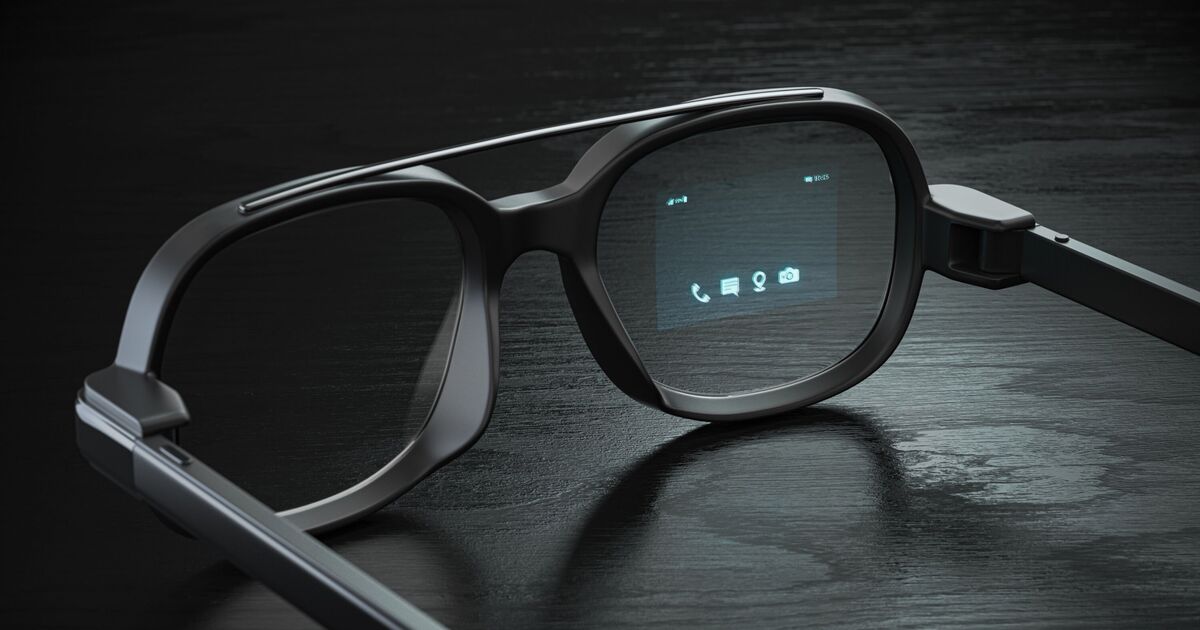
Smart glasses are now so advanced with AI technology they can tell you exactly what you’re looking at in real time. They can even identify people. No need to go through a roll call of every family member dead or alive before you hit on the right one. The culprit will pop up on your bins as you bark at them for clogging up the plughole.
They can even nudge you when your houseplants need watering, warn you how many calories are in the Greggs sausage roll you’re about to wolf down or how morbidly low your step count is this week. Anything at all. As if we didn’t have enough screens, now the entirety of the internet can bedelivered directly into your eyeballs.
The data collection from our ever-eavesdropping phones and laptops is scary enough. Imagine everything you happen to glance upon being harvested, shared and, naturally in time, monetised. Glance around your gaff and, seconds later, get ads for cleaners “in your area”. Or look in the mirror and hear a syrupy voice whisper: “Melt that frown away with Botox. You know, there’s a clinic ten minutes from here, and there’s a free slot this afternoon. Blink twice and I’ll book it for you.”
Sounds like hell on earth, but smart glasses may prove to have some uses, aside from cheating at pub quizzes. Fitted with cameras, voice recognition, a microphone and a live display, some tech firms are marketing them as a way to help people with dementia live more independently. Prompting the names of doctors and carers, giving directions to the nearest supermarket, even talking through how to make a cup of tea. Sounds promising for those in the very early stages, but having had a parent with dementia I detect a few fundamental flaws.
Thinking back to my dear old dad who couldn’t work a lamp, I can picture him confused and punching the air: “Who the feck was that? What are these lights? Get these fecking things off me.” And what happens when the specs are inevitably misplaced or crushed down the side of an armchair? Dad would go through approximately 17 pairs of reading glasses a month. At £700 a pop, they’d need to be magic, not just smart.