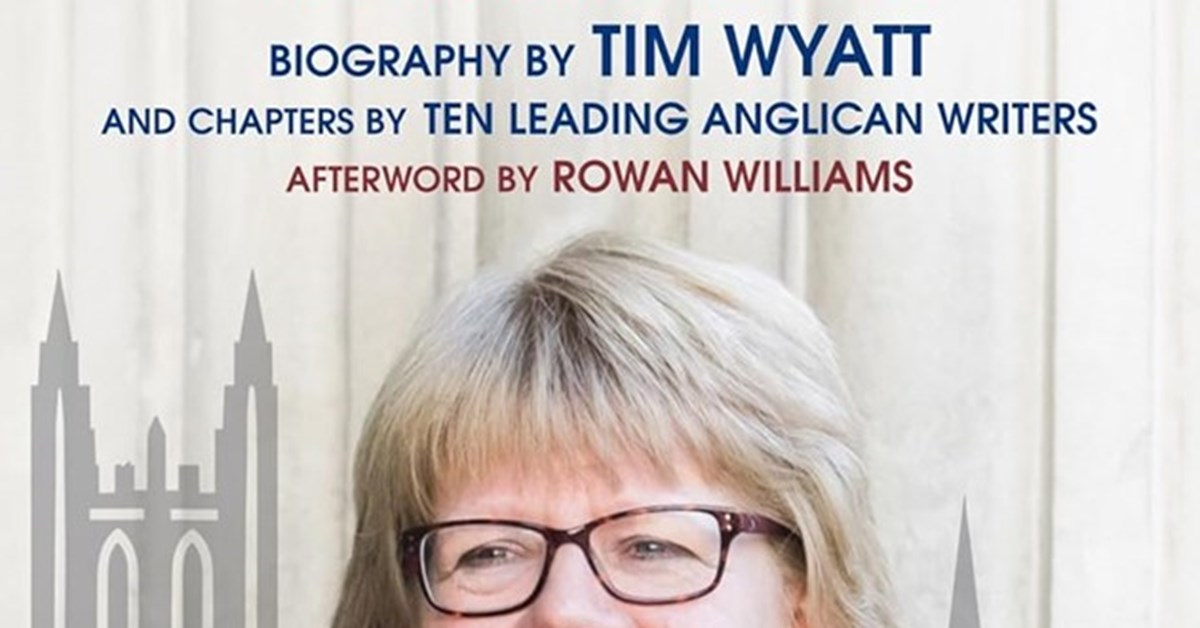
THIS collection of ten essays on “urgent challenges for the Church of England” is addressed to the Archbishop of Canterbury, Sarah Mullally. An introductory biographical chapter (the longest), by the journalist Tim Wyatt, and an afterword, by her predecessor Rowan Williams (the shortest), add considerably to its value. There is warm-hearted support for her appointment from all contributors, but the weight of some of their expectations could feel heavy, especially given the well-known limitations on archiepiscopal authority.
The writers approach their respective subjects — for example, disability, climate care, LGBTQIA, racism, the Anglican Communion — from a largely liberal/inclusive perspective. None of the issues is unimportant, although more conservative voices, so influential in some of the areas discussed, are not represented here. Archbishop Mullally is described consistently as a good listener, pastoral, and efficient. She will have no shortage of listening opportunities in her new ministry; but what should she do once she has listened?
Mark Oakley (whose essay on spirituality offers the greatest breadth of perspective) warns against any longing for a superhero Archbishop who will rescue the Church of England from the tragedy of disappointment and culture of grievance of recent years. Despite her stratospheric rise to high office in two different vocations, Sarah Mullally shows little longing for superhero status.
Tim Wyatt’s biography of the woman who became the UK’s Chief Nursing Officer at the early age of 37, and the first female Archbishop of Canterbury 25 years later, is instructive. Even though the word “ordinary” is used to describe her background and story, Archbishop Sarah’s career progression is better characterised as extraordinary. It is unlikely that she is devoid of ambition, but more noticeable is the great confidence and trust that she commands from colleagues, and her unusual ability to work creatively within such sprawling and disparate institutions as the NHS and the C of E.
What I missed in this book, except in the chapter on climate care, was a recognition that Archbishop Mullally begins her ministry at a time when the world is in crisis. Wars and the rumours of war are rife; political leadership is mistrusted almost everywhere; intolerance of other cultures and religions has grown; and the framework of international law has fractured. Domestically, even the British monarchy has seen its approval ratings plummet. Our insecurities as a nation, whether in relation to food, fuel, or defence, let alone our place and standing in the world, are shaking the English people. The biggest challenge that the Archbishop faces is how to address this situation, and what sort of spiritual leadership is needed. Where is God to be found?
One contributor to the book claims that “the people in England are hungry for the Church’s spiritual leadership.” That isn’t obvious to me. But growing anxiety and fear in England may soon bring significantly more seekers to our churches, building on the “quiet revival” that some already discern. Will we offer them the riches to be found in worship, prayer, the sacraments, and service of others, or will they find communities exhausted by the agonies of the challenges of our age, including those in this book?
Intriguingly, Williams focuses on the local church in his afterword, where he recognises that we have most to offer when we are “absorbed in the life of the Spirit . . . serious about the granular, embodied, local reality of God recreating lives in the divine image”. He thinks that the Archbishop should spread the narratives of hope found in many churches. This priority, suggested by a former Archbishop who wrestled with so many of the “challenges” described in this volume, is telling. It is also a statement of faith in local churches, which, weak though they may appear in a power-hungry world, have the pearl of great price within them.
Some expect a low-key archiepiscopate from the present incumbent. It will be, however, be a highly significant one if she shifts the perspective of our Church so that we attend most to revealing the “reality of God recreating lives in the divine image” in churches and local communities. The heart of the Church of England still beats strongest there.
The Rt Revd Graham James is a former Bishop of Norwich, and a former Chaplain to the Archbishop of Canterbury (1987-93).
Archbishop Sarah Mullally: And ten urgent challenges for the Church of England
Tim Wyatt and others
DLT £8.99
(978-1-917362-20-7)
Church Times Bookshop £8.09