In 2026, one of the most important questions nations ask is: Will there be a world war? Tensions escalated sharply on January 8 when the Kremlin launched a massive drone and missile barrage, featuring the second-ever combat use of the nuclear-capable Oreshnik hypersonic missile. Targeting the western city of Lviv – just 70km from the Polish border – the strike served as a chilling strategic message to the West. This escalation comes as Prime Minister Sir Keir Starmer signed a historic deal to deploy British troops to Ukraine in the event of a peace deal with Russia.
With General Sir Patrick Sanders and other top military figures warning that Europe must prepare for an intensive engagement with Putin’s forces, one question remains unanswered: in the event of a third world war, who would actually be fighting it? Former MP and ex-British Army officer Dr Mike Martin warned that current army numbers are so depleted that the return of the draft may be the only solution.
So who is most likely to be conscripted?
1. Young, fit men
If a major conflict were to break out, history suggests that the first to be drafted would be young, physically fit men, particularly those in the 18 to 25 age bracket. This group is traditionally prioritised because they can be trained most rapidly and are capable of serving for the duration of a long-term conflict.
The precedent for this was set in early 1939, when the British government introduced limited conscription for single men aged 21 and 22 months before the Second World War even began. Once full-scale war was declared, these rules were immediately expanded to include all men aged 18 to 41.
2. Single people without kids
Beyond age and fitness, family status has historically been a primary factor in determining who is sent to the front lines. During the Second World War, the British government implemented a phased approach to conscription, deliberately drafting single people and those without children first – in order to avoid disrupting families.
3. Women
In a departure from historical precedent, women are increasingly likely to face conscription in any future large-scale conflict. In the Second World War, women aged 20 to 30 were drafted for roles related to the war, such as nursing, munitions, and auxiliary positions. While the UK has never officially drafted women for direct frontline combat, the barrier between auxiliary and combat roles has largely vanished in the 21st century. And, a 2024 YouGov poll found that 72% of Brits support women on the frontlines.
4. Former soldiers and reservists
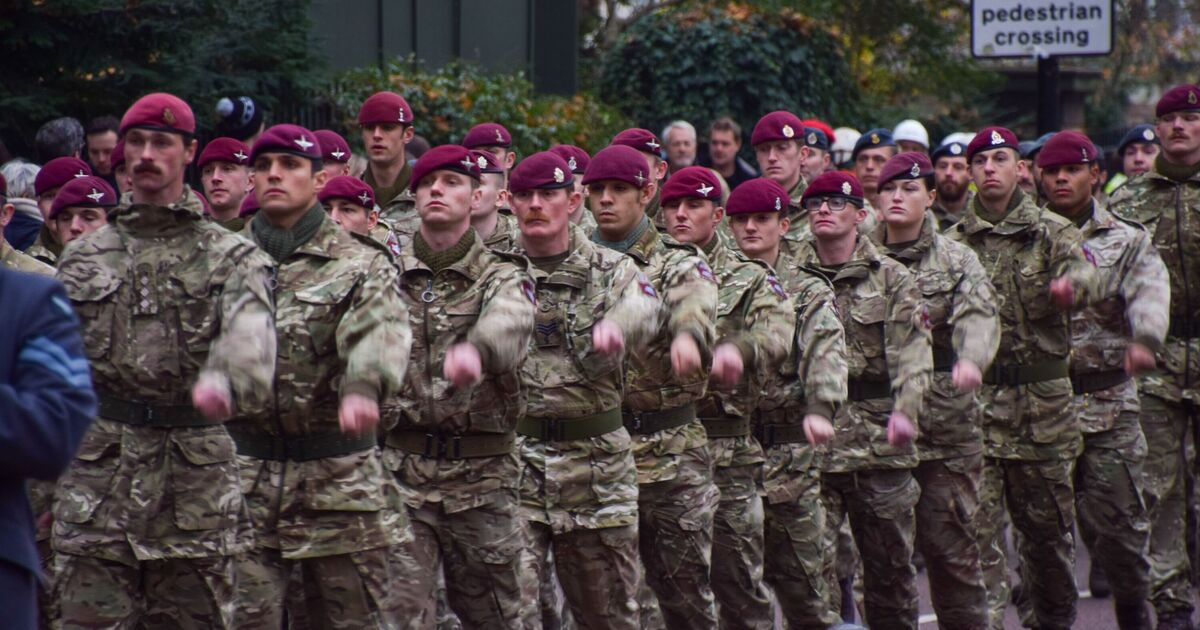
Former soldiers and reservists are also likely to be drafted, as they already possess the necessary training to get up to speed quickly.
5. Older people if the war drags on
If the war were to continue, older people could also be drafted People aged up to 51 were conscripted by the end of the Second World War. Those aged 52 to 60 also had to take on a role in civil defence, leaving no one able to fully escape their responsibilities.