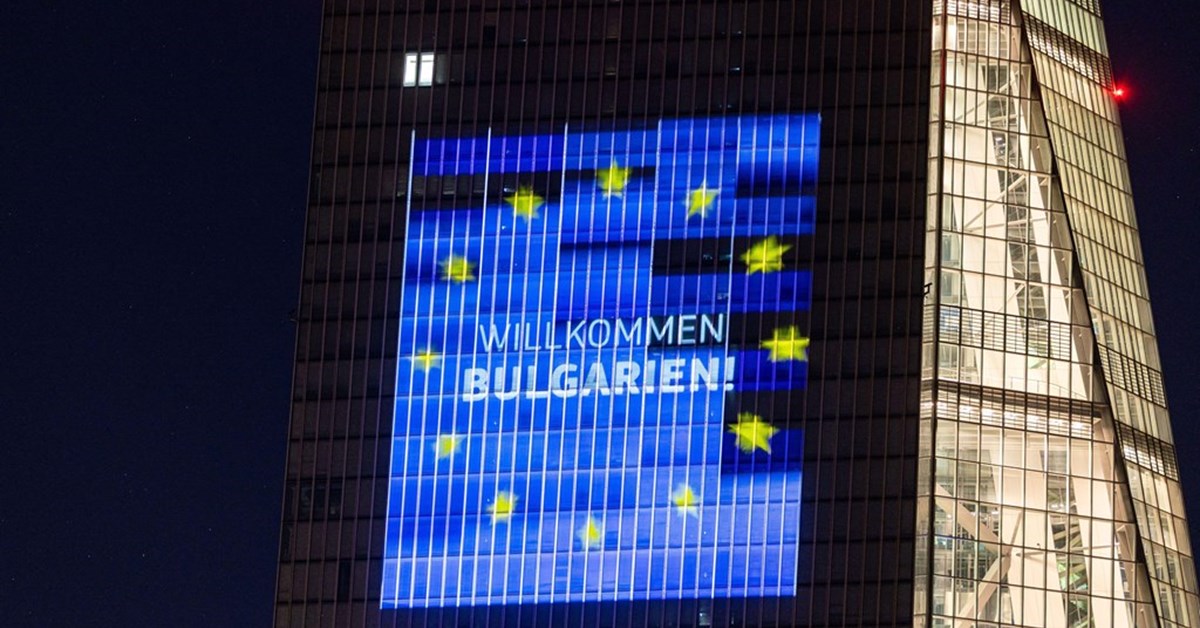
BULGARIA has become the first European Union member state to include Christian saints on its euro coins, after joining the EU’s single currency at the New Year.
Adoption of the euro, which will replace the lev, used since 1880, was approved last July by the European Parliament in line with EU convergence reports, and will allow Bulgarians to spend the same currency across 21 European countries with a combined population of 350 million.
The new Bulgarian €1 coin, approved last year by the National Bank, depicts the country’s hermit-patron, St Ivan the Wonderworker (876-946), who founded its landmark Rila Monastery. Its €2 coin, inscribed “God protect Bulgaria”, shows St Paisius of Hilendar (1722-73), an Orthodox priest and historian who co-led a national revival under Ottoman rule.
Lesser-value coins, opposite the standard map of Europe depicted on all euro coins, show the Madara Rider, an eighth-century national relief of a knight triumphing over a lion, which is listed by UNESCO as a World Heritage symbol.
The move makes Bulgaria the EU’s third predominantly Orthodox country after Cyprus and Greece to enter the eurozone, and the first to display saints on its EU currency in a effort to merge Christian cultural emblems with symbols of European integration.
Most euro notes and coins avoid religious images under European Central Bank guidance, in favour of landmarks and architectural styles representing European secular unity. Vatican coins, however, issued under a monetary agreement with the EU and Italy, carry portraits of recent popes, while money from Slovakia, which joined the eurozone in 2009, carries a national symbol of the cross.
In a New Year message, Patriarch Daniil of Bulgaria described St Ivan the Wonderworker as his country’s “heavenly patron and protector”. The saint offered “an unfading example of non-acquisitiveness, repentance, tireless struggle with sinful passions, fasting, prayerful absorption, and indomitability to the temptations of this world”.
The EU Commission’s president, Dr Ursula von der Leyen, said that adoption of the euro followed “years of hard work and commitment in overcoming challenges”, and would “further strengthen Bulgaria’s voice in Europe” and enable Bulgarian businesses “to seize better advantages from the common single market”.