THE Scottish Parliament’s rejection of a Bill to legalise assisted dying has been welcomed by the Moderator of the General Assembly of the Church of Scotland, the Rt Revd Rosie Frew, and by Christian campaigners in the country.
On Tuesday evening, Members of the Scottish Parliament (MSPs) rejected, by 69 votes to 57, the Assisted Dying for Terminally Ill Adults (Scotland) Bill, which had been introduced by Liam McArthur MSP. The Bill sought to allow an assisted death for terminally ill adults who had decision-making capacity and had six months or less to live.
In a statement issued shortly after the vote, Ms Frew said: “I recognise that the outcome will be a disappointment to many, but it was clear that the safeguards included did not offer sufficient protection.
“We have been consistent in our position that we need to prioritise the development of excellent palliative care services that are universally available and fully funded. Without that, had the Bill passed, we would fear that many vulnerable people might have seen an assisted death as their only realistic option.”
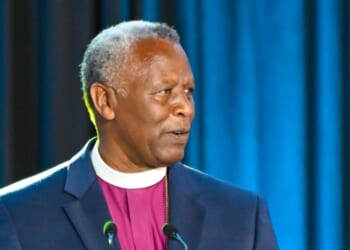
The Primus of the Scottish Episcopal Church, the Most Revd Mark Strange, said in a statement after the vote that the Church did not have a “definite position” on assisted dying. “The decision to reject the Bill will not please everyone — we live in a society divided by this issue and some very strong opinions are held,” he said.
He continued: “The Church’s calling is to listen and to care for those who are facing end of life issues. We will continue to support those who work in and with palliative care and who aim to provide the best end-of-life experience possible. . .
“Whatever differing convictions we may hold on assisted dying, we remain united in our commitment to accompany those at the end of life with prayer, tenderness, and faithful presence.”
Pro-life groups such as CARE for Scotland, Right to Life UK, and Care Not Killing welcomed the vote. The chief executive of Care Not Killing, Dr Gordon Macdonald, said: “This was a bad Bill, with many similarities to the . . . Bill in Westminster, and I hope that MPs and Peers will take note of its rejection.”