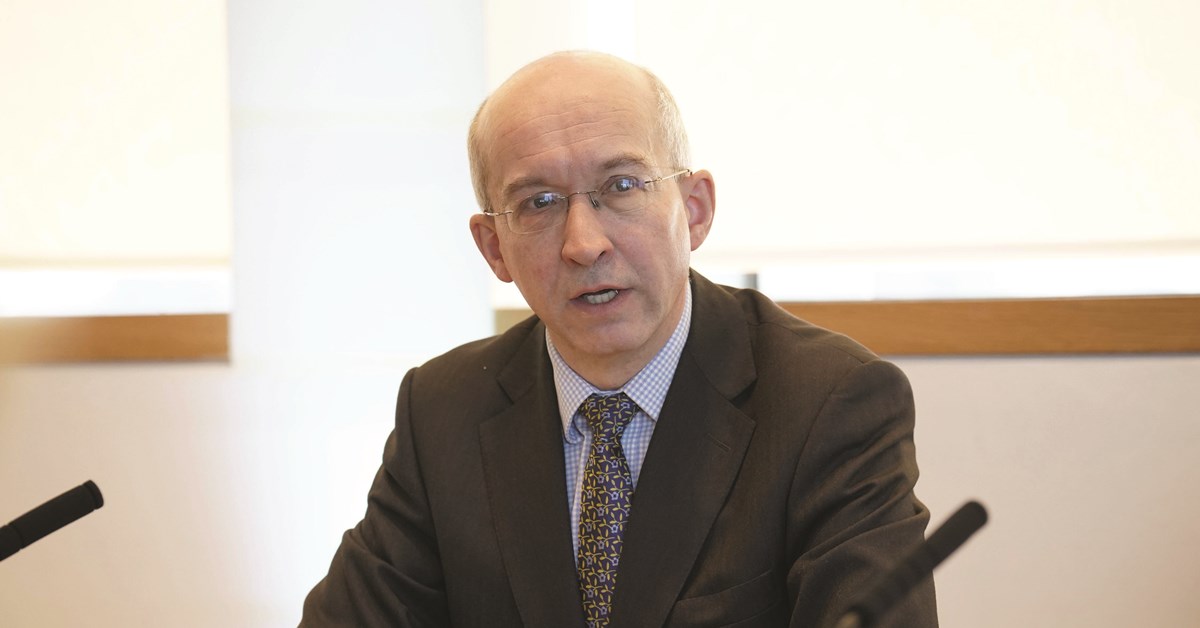
THE conclusion of Living in Love and Faith (LLF) is “not a final full stop”, the secretary-general of the General Synod, William Nye, has said.
After an online meeting last week, the House of Bishops issued a statement declaring that the LLF process would be brought to an end this year (News, 16 January).
The decision had elicited “innumerable responses of hurt and anger from across the Church”, the leaders of the Together for the Church of England campaign said.
The agenda for next month’s meeting of the General Synod was published on Wednesday. It includes the text of the Bishops’ motion on LLF, in which they “recognise and lament the distress and pain many have suffered during the LLF process, especially LGBTQI+ people”.
The motion confirms that the LLF programme, and related Synod motions, “will conclude by July 2026” — in other words, with the passage of the motion. Other members of Synod are able to table amendments to the Bishops’ motion.
This was “not a final full stop” on the discussion of issues related to sexuality, Mr Nye, said on Wednesday.
Rather, it was the Bishops proposing “that this chapter of work should be drawn to a conclusion”, he said, and recognising that there were “important issues that will continue to be addressed through the establishment of a working group”.
The Bishops plan to establish a new group to continue discussions on the process by which stand-alone services of blessing for same-sex couples might be introduced, alongside the possibility of removing the current ban for the clergy on entering into same-sex marriages.
Consultation will also take place on the possible need for “pastoral episcopal provision” for opponents of any changes, the Bishops’ statement says.
“We believe we have fulfilled, albeit imperfectly, the February 2023 General Synod motion (News, 10 February 2023) as best we can given the range of views across the Church of England,” the Bishops write.
In an ad clerum after the decision of House of Bishops was announced, the Bishop of Southwark, the Rt Revd Christopher Chessun, said that, while he continued to believe “that the Church is on irreversible journey towards the greater acceptance of LGBT+ people . . . , it is clear that the steps which have already been taken in the LLF programme have gone as far as is going to be possible for the time being.”
Bishop Chessun said that he was considering “a range of practical steps”, which were likely to include the appointment of LGBTQ+ “chaplains or advocates”, who would be “a source of support, encouragement, and advice for those with particular concerns”.
The chair and vice-chair of Together for the Church of England, an umbrella organisation of church groups campaigning for greater inclusivity, wrote in an open letter to the House of Bishops that the decision was in “the spirit not of Prophecy but of Procrastination”.
The letter, from the Vice-Dean of Bristol, Canon Neil Patterson, and an Oxford lay representative on the Synod, Professor Helen King, said that it was “not a time to despair”, but to “recommit anew to to a stronger and wiser Church that does not hide behind legal formularies or fear of honest disagreement”.
They pointed to the Synod elections this summer (News, 2 January) as an opportunity to put same-sex marriage in church on the agenda. To be carried in the Synod, this would require two-thirds majorities in all Houses.