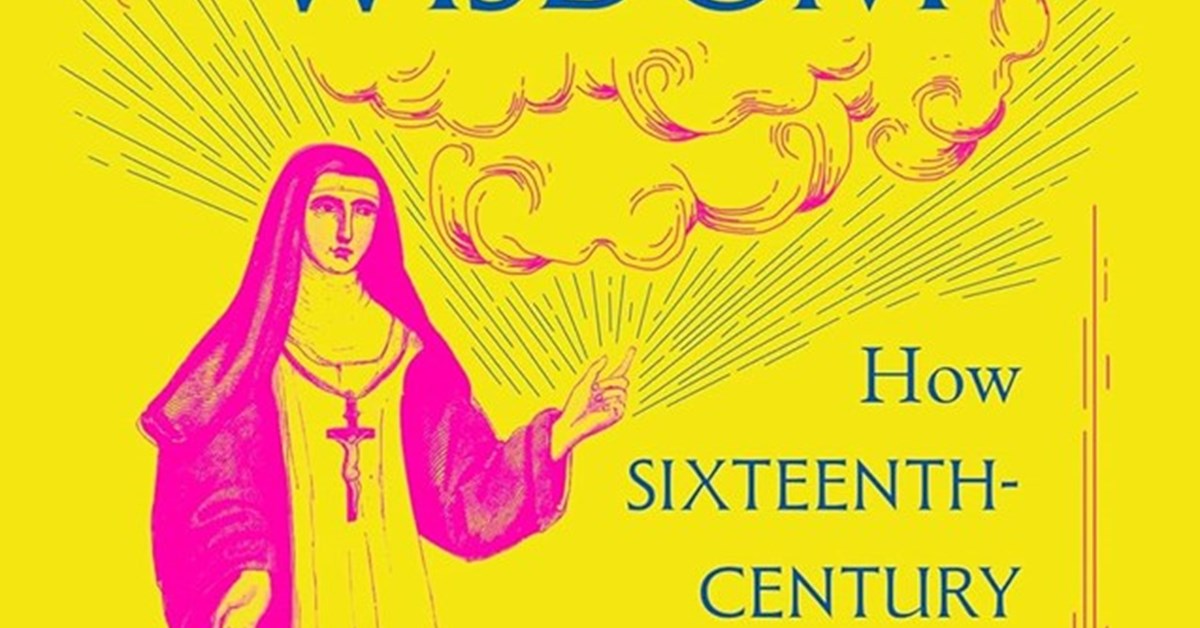
THIS book is nuns for the TikTok generation: the authors, who met at Brown University while working for their doctorates, run a popular podcast, Las hijas de Felipe. Although their writing is clearly well informed by their studies, it has something of the informality of a podcast, and is aimed at readers in their twenties and thirties. There is also a strong female slant, with explicit lesbian sympathies.
The book is organised by subject: girlfriends, work, body, love, money, soul, and fame. Each chapter draws from writings by or about nuns from the 16th and 17th centuries (although 12th-century Hildegard of Bingen and 14th-century Catherine of Siena also make an appearance). The majority of the featured nuns were Spanish-speakers, from Spain or its South American colonies. Apart from Teresa of Ávila, these Hispanic nuns will generally be unfamiliar to English readers.
In each chapter, relevant writings and activities of each selected nun are interspersed with accounts of the lives and activities of the authors related to the topic of the chapter. These explain how their studies of these nuns have affected their own lives. In the introduction, they say that they were inspired to write this book by the frequent appearance of nuns in contemporary media, from internet memes to pop-star costumes. They quote young women expressing online admiration for nuns and their lifestyle: “a check-mate to the isolation and alienation of our twenty-first century lives”, making the simplicity of convent life seem tempting.
These are not your run-of-the mill nuns. They have generally been recorded for posterity because of extravagant behaviour, such as excessive fasting, endless noisy weeping, levitation, and bilocation. Some, such as the Poor Clare Luisa de la Ascensión, deliberately sought the fame that sainthood would bring, but ended up imprisoned by the Inquisition.
This book is not for those looking for a serious study of Counter-Reformation religious life, but would appeal to younger women finding modern culture and life challenging. The nuns here are role models: strong, self-confident women — albeit that many of them seem odd if viewed independently from their context of post-Tridentine Catholicism.
Dr Hilary Pearson is a professed Anglican Franciscan Tertiary. She studied Christian spirituality at Heythrop College. Her research interests are medieval and early-modern women religious writers, and Franciscan spirituality.
Convent Wisdom: How sixteenth-century nuns could save your twenty-first-century life
Ana Garriga and Carmen Urbita
Bloomsbury £16.99
(978-1-5266-8070-9)
Church Times Bookshop £15.29