THE UK’s Special Educational Needs and Disabilities (SEND) provision is in crisis. Significant reforms have been widely acknowledged as necessary, and a Government White Paper is expected imminently. The proposals that are being discussed, however, could remove existing legal protection for some of the most vulnerable children. At a time of uncertainty for families, Christians have an opportunity to step into the gap: to offer a welcome, practical support, advocacy, and hope, in their local communities.
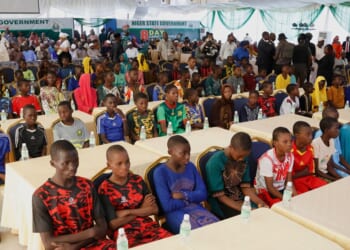
Currently, one in five children in the education system in the UK has additional needs or SEND. They include learning, physical, mental-health, and undiagnosed needs, which affect a child or young person’s everyday activities. Of these 1.7 million individuals who receive some specialist support at school, about 639,000 pupils (up to the age of 25) have an Education Health Care Plan (EHCP) in place.
EHCPs provide a legal framework designed to ensure that, after assessment, the agreed provision for a child is delivered. For many families, securing an EHCP requires years of persistence, appeals, and emotional strain. The possibility that reforms could reduce eligibility, or even replace EHCPs entirely, has caused anxiety. As one parent involved in the “Save Our Children’s Rights” campaign put it, “If it’s this hard with rights, imagine it without them.”
AS A children’s occupational therapist, I work with several families whose children require support to be able to reach their potential in the education system. One mother, Jade, says: “The SEND system is failing too many children; so reform is necessary. But, as the mother of a child with complex needs, I fear these changes risk stripping away vital support rather than fixing what’s broken. Every child deserves the chance to thrive. A successful reform must be built with families, not imposed on those already fighting the system.”
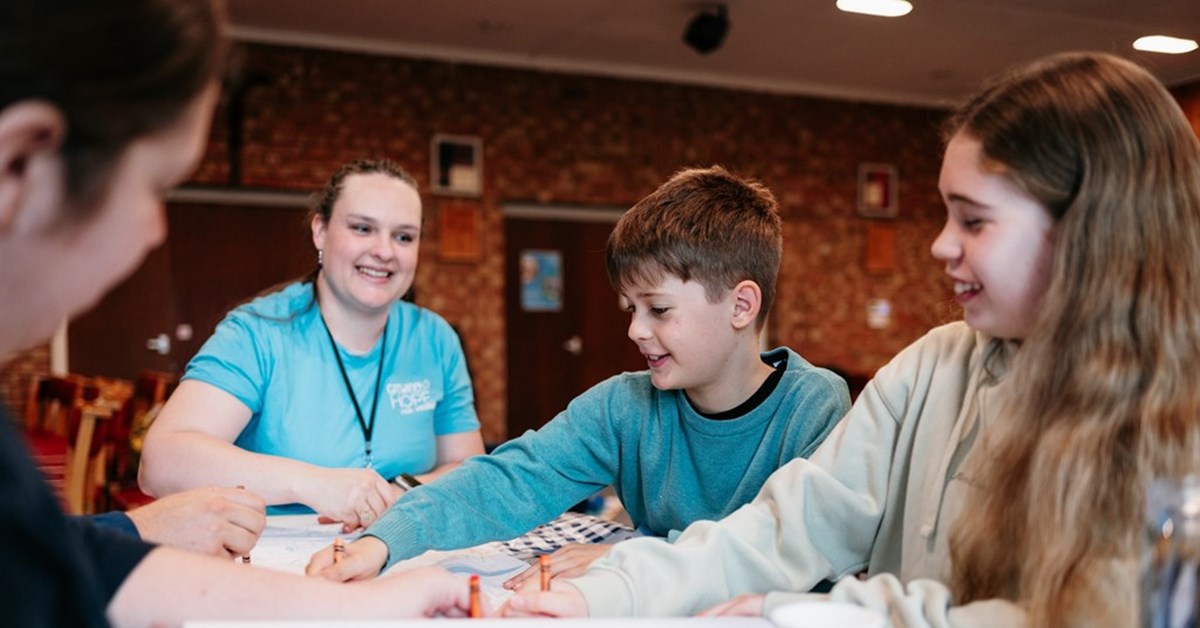
In response to these challenges, I founded Growing Hope, a charity that champions accessibility and, in partnership with churches across the UK, provides free therapy for children and young people with additional needs. We aim to bring hope for children through the provision of free therapy; to grow hope for families where hope has been lost through isolation and rejection; and speak about hope in Jesus, because he brings hope even in the most difficult situations.
Now more than ever, the Church has an opportunity to be a visible source of encouragement and support for families that are navigating uncertainty. Laetitia, a parent whom Growing Hope works with, says that the changes proposed in the White Paper would be “a nightmare for families. We know that they are trying to remove the little support available, and this causes even more anxiety and stress. Knowing that a charity like Growing Hope exists is extremely reassuring. Without their support, my child would be struggling even more.”
Historically, the Church has played a central part in the provision of health care, education, and social care across the UK. Throughout the biblical narratives, we see Jesus draw individuals who are often perceived as on the margins right into the heart of the community. The Church can act in response to this crisis by supporting families that are experiencing challenges because of additional needs.
IT MIGHT not be possible for Christians to alter changes that the Government has planned, but it is more important than ever that churches be made as accessible and welcoming as possible to children with additional needs.
Simple adjustments can make a big difference. Providing fidget items, such as pipe cleaners, offering paper, and pens, and offering ear plugs or ear defenders can help individuals to participate in worship. Clearly explaining what is happening in a service, or using visual schedules in children’s and youth groups, can be particularly helpful for individuals with autism, anxiety, or ADHD. These small acts communicate a powerful message that everyone can be seen and heard, and is able to belong.
Organisations such as Growing Hope exist to support churches in this journey. Recently, Growing Hope received a £600,000 grant from the Church of England to expand our accessibility award and training across five pilot diocese over the next three years. This initiative will equip more churches to become welcoming spaces for families struggling within the current SEND landscape.
Growing Hope also offers facilitator training for those wishing to support parents, carers, and siblings through our “When Dreams Change” course and siblings groups. These groups can be run for free in churches or in partnership with schools, providing community, understanding, and emotional support that are much needed.
Where SEND reforms create uncertainty and threaten further challenge, we can choose to respond with compassion and action. This could involve writing to MPs through campaigns such as “Save Our Children’s Rights”, or partnering with charities such as ours to provide tangible support in everyday church life. In doing so, the Church can continue to provide advocacy, belonging, and hope where they are needed most.
Dr Naomi Fox is an occupational therapist and founder of Growing Hope.