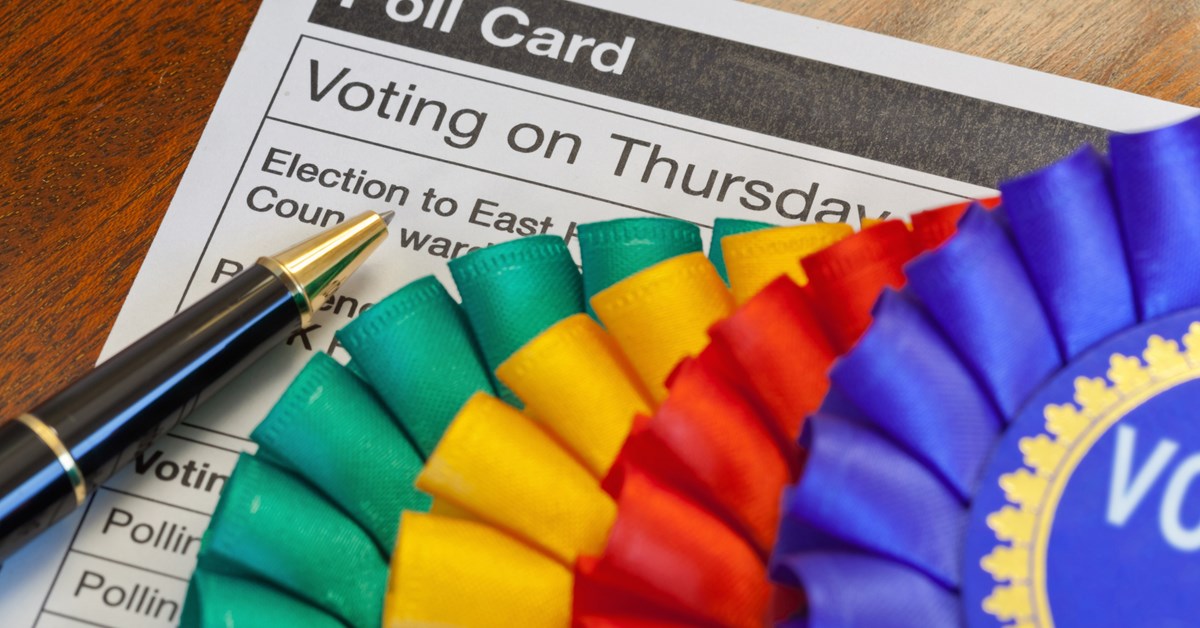
AT THE last General Election, I decided that I had spent far too much time writing about politics and not nearly enough discovering how it’s done; so, I decided to do some canvassing for whichever party had the best chance of kicking out the local Conservative MP. This is how I came to be knocking on doors and delivering leaflets for the Lib Dem candidate, and learning just how gloriously ignorant many potential voters are, and how bewildered some can be by the suggestion that they vote.
But not all: at one house, the owner, a man in his thirties, was eager to discuss the politics of the NHS, and he and the candidate spent about ten minutes discussing exactly how much private money and where it was spent would be acceptable to them.
The conversation surprised me more than anything else that week; for I could not help noticing what they had managed in their excitement to forget: that neither of them had or could ever have the remotest influence on what any government would actually do. Whatever decisions any government might take would be done without reference to the views of either a backbench Opposition MP or one of their voters.
All respectable people talk as if politics was about policies, but most voters don’t care — and those who do don’t matter.
By “policy”, I mean the laws and regulations that are actually enacted and enforced. There are surprisingly few of these, and one reason is that it’s much easier to propose than to enact, and harder still to enforce what you’ve enacted. Where do proposals come from? They come from postures, emotional expressions, or instinctive reactions, stuff that would be lovely if it were true.
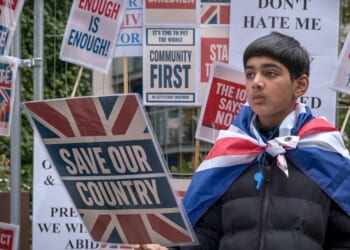
The obvious example in contemporary British politics is being tough on immigration — a posture that is almost impossible to translate into policies that are both workable and sensible, let alone just. The thwarted Rwanda scheme stands as an extreme example of this difficulty.
Less dramatically, think about speed limits, or cycle lanes. With both of them, the posture might be popular — who doesn’t want safer streets and healthier children? — but the policy itself is met with furious resistance and, in practice, enforcement lapses, except where there are cameras.
Yet, it is postures that people vote for. In this, I include myself. As it happens, the MP whom I helped in a tiny way to elect is an enthusiast for Kim Leadbeater’s assisted-dying Bill, which would be dreadful policy if it was enacted. Any set of rules for when and how doctors may kill their patients will be inadequate in some cases. Personally, I prefer the inadequacies that keep some people alive unnecessarily to those that kill some patients who should not have died.
It is difficult to think of any question more important. Yet I voted for my MP because I wanted to punish the Conservative Party, with no clear view of what better policies should replace theirs. I still don’t know which ones, if any, did. My vote was a pose, not a policy preference.
So, perhaps we should not mock the voters who desert the Labour Party because they are horrified by its stance on Gaza. There is absolutely nothing whatever that any British government can do to influence Israeli policy there. Perhaps we shouldn’t even mock the voters attracted by a law that would stop churches the repuprosing of churches into mosques (27 February). We know, after all, what they mean.
It is very difficult to do politics without any posturing at all, because the postures that we adopt are social statements. They express how we would like society to be and where we would like to place ourselves within it. This applies as much to the people who insist that politics should be about the informed choice of policies as it does to anyone else: they are saying that the world should be run by people who think like them. This may be less than perfectly democratic, but we all feel that only experts should decide on the subjects that we really understand.
The most difficult problem, I think, is that modern societies and governments have grown so complex that no one really understands them. Certainly, far fewer people do than sit in Parliament. Programmers now talk about “vibe coding”, where they order the AI to make a program but have no idea how it is to be accomplished. This looks new and frightening, but the rest of us got here decades ago in politics: we’re all vibe-voting.