IN 2012, a philosopher, a cosmologist, and a philanthropist established the Centre for the Study of Existential Risk, in Cambridge, to work on a serious response to a question that the cosmologist had presented to humanity as the 21st century dawned. Would this century see the end of the human race? S. J. Beard is a philosopher who worked at this centre for a decade, digging not so much into the science of risk as into the thinking that has brought us to this point of existential precarity.
For a complex subject, this is a remarkably lucid read. Both dyslexic and blind, Beard knows the effort involved in reading and rewards those who will open these pages by giving them clear and unpatronising summaries of significant thinkers and important concepts. This is definitely not just an analysis of the relative dangers of disease, climate change, nuclear war, or rogue AI. It is a series of insightful lessons in understanding how we got into the mess. But there is creativity as well as clarity here.
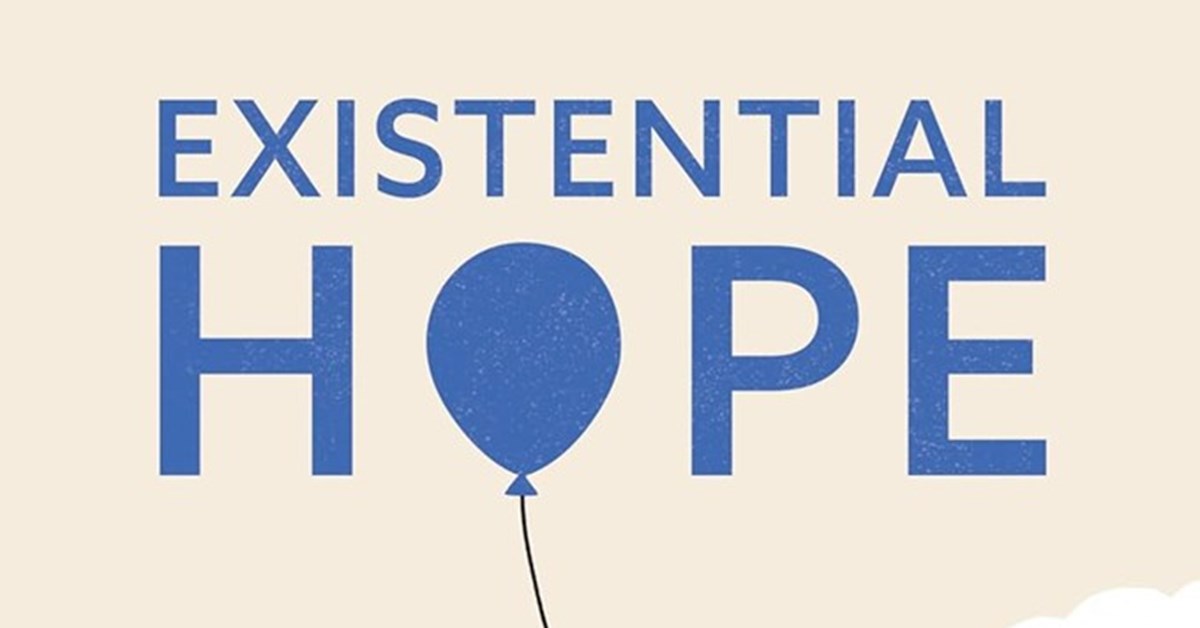
The existential hope of the title is not a cheery disposition or the optimism that grows when we deny the direness of our straits. It is the fruit of other virtues: the courage to face our problems, the curiosity to understand them, and the compassion to want to work with others to try to solve them.
For the reader approaching this from a Christian perspective, there are some surprises. On the negative side, religious apocalyptic stories are not presented as helpful; and the ideas of heroic action or striving after utopia also get a bad press. On the other hand, the book ends with Archbishop Desmond Tutu expounding the concept of “ubuntu”, which emphasis belonging, community, and relationships.
Beard should, I think, be heeded as a prophet in concluding that the forces that threaten humanity as a whole are already at work diminishing, oppressing, and dehumanising the most vulnerable. The big question is not the end of the human species, but the end of humanity. To put that theologically: what matters is not whether there is Homo sapiens on earth, but whether there are creatures conscious of the divine nature that they were made to reflect and able to love one another, not romantically, but existentially.
The Revd Dr Stephen Cherry is the Dean of Chapel at King’s College, Cambridge.
Existential Hope: Facing our future when the signs look bad
S. J. Beard
Polity £25
(978-1-5095-6304-3)
Church Times Bookshop £22.50