CHRISTIAN female university students are choosy when looking for new churches. Recently published research has found that even the content and quality of sermons strongly influence whether such women attend, or leave, churches. That is because, the research suggests, they want both religious practice and discourse to align more closely with their generational (Y and Z) values. They also tend to follow like-minded friends to, and away from, their churches.
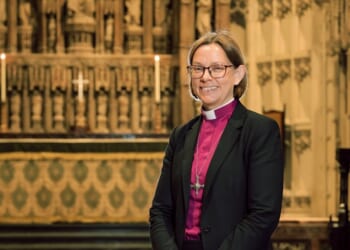
Jenny Morgans, a priest and university chaplain, recruited from churches (from a variety of denominations) and Christian university-student societies an interesting cross section of Christian undergraduate women with varying sexual, class, and ethnic identities. They attended three different UK universities and had all left home, most for the first time.
She identified, and structured her book along, four major themes: “from home to home”; “faith at university”; “identities at university”; and “crafting home and looking forward.” Chapters within those broad sections include topics such as finding Christian spaces and activities, ways of being women, and reflections on intersectional and fluid identities. Morgans situates the work within feminist practical theology and draws extensively on studies and theories from other areas, such as sociology and history.
She discussed how all the women were lonely at first, finding it difficult, sometimes traumatic, to adjust to their new life at university. Increasingly, and bucking the “snowflake” Millennial/Gen Z stereotype, they made new friends outside their usual milieux and comfort zones. And, far from the “Christians-under-siege” picture, non-Christian students were not hostile to Christians. Perhaps there is something, after all, in the depiction of a kind and welcoming generational shift.
Their experience of Christian student societies was mixed. One woman found that the Christian Union disapproved of her queer sexuality and made her feel unwelcome. Many in this study had moved from Evangelical churches that they had attended at home, and were in no hurry to return. This reflected a broader theme of women searching for “safety”: safety in their new home, new institution, new groups of friends, and their shifting identities. Their desire for feeling safe and accepted needed to be balanced by their simultaneous desire to explore and grow personally and spiritually.
Morgans found that the women experienced misogyny and racism, affecting their studies and sense of belonging. She argues that the study, conducted from 2014 to 2024, resonates with cultural shifts provoked by Brexit and Covid, and with neoliberalism’s influencing a normalisation of “lad culture”, sexism, attitudes to male entitlement, an emphasis on individualistic choice, and post-feminism.
Well-researched, theoretically grounded, and meticulously footnoted, the study never strays far from Morgans’s interlocutors’ voices and experiences, creating a fine-grained, thoughtfully analysed and often emotionally infused account. It contributes to studies of a critical period in Christians’ lives as they emerge into adulthood, separating from parents and creating their own versions of “home”. Morgans offers advice to religious professionals and to leaders in higher education. Both need to nurture safe spaces and welcome diversity in discourse and practice.
Absent are voices of women who are disabled or neurodivergent — a gap, as Morgans notes, that needs filling in any further research.
This book is important for pastoral practice, and for academics studying practical theology and sociology of religion.
Dr Abby Day is Professor Emeritus of Race, Faith and Culture in the Department of Sociology at Goldsmiths, University of London.
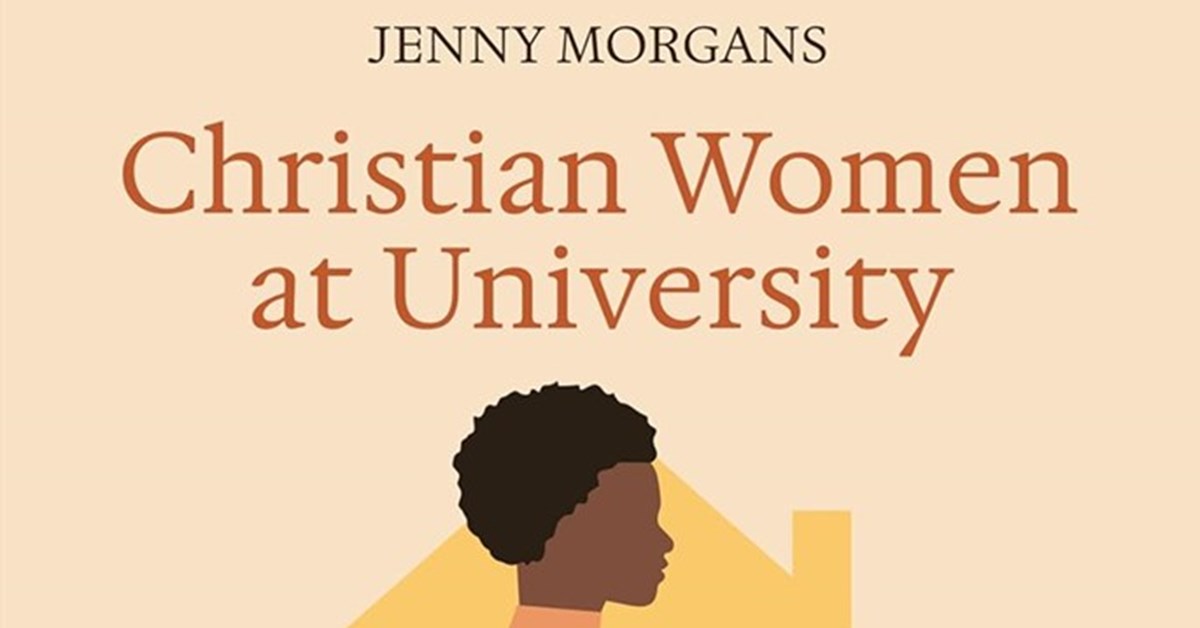
Christian Women at University: Faith, feminism and feeling at home
Jenny Morgans
SCM Press £25
(978-0-334-06196-0)
Church Times Bookshop £20