HOLY places were scarce in my earliest experience of Christianity. The Congregational Church in Newquay, where my family worshipped, was not somewhere to light a candle or pop in to pray on a weekday. In any case, it was usually locked. When my parents became Anglicans in the early 1960s, it was the candles, the Blessed Sacrament, and the kneeling for prayer (yes, most Anglicans did so then) which indicated that a church was different, intended to evoke the beauty of holiness.
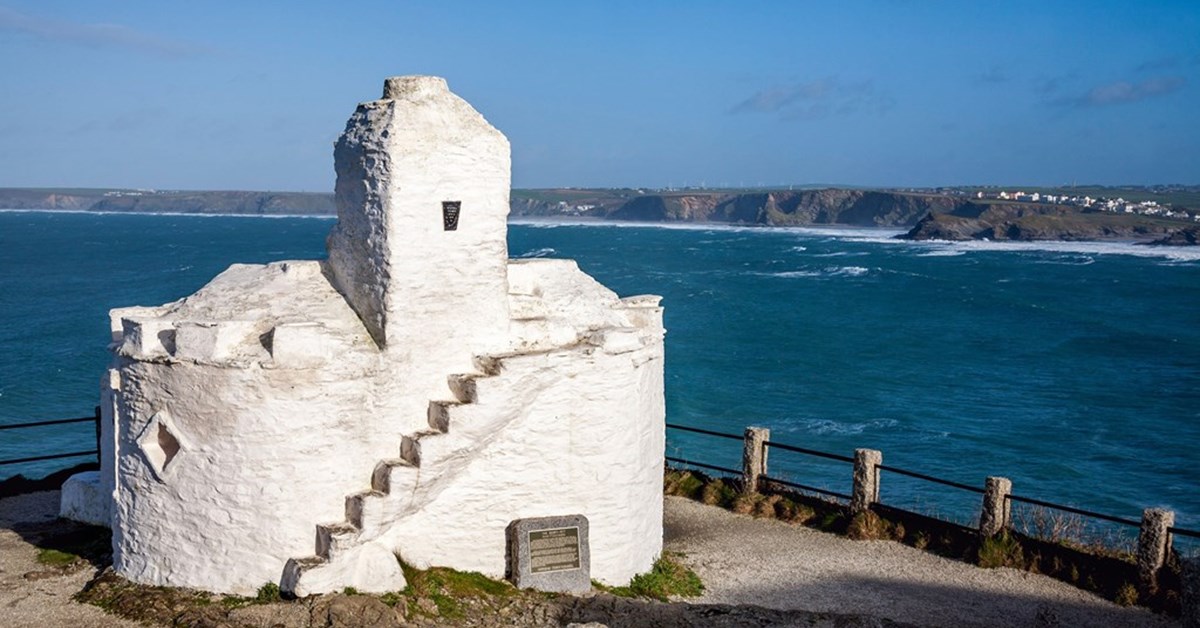
The only building that triggered a sense of holy wonder in my Newquay childhood was the Huer’s Hut. It has stood on Towan Head above the town for centuries. Nowadays painted white, it can be seen for miles. The vista of the Atlantic coast from the hut is unsurpassed. The huer lived in its single room. During the day, he would perch on the roof, looking for a reddish-purple shimmer in the sea which would indicate a shoal of pilchards. His cry “Hevva! Hevva!” would draw the fisherpeople of Newquay to launch their boats quickly. Then he would guide them to their quarry by waving furze branches.
The huer was long gone even in my childhood, like the shoals of pilchards themselves. But his hut remained. Our primary-school class, studying the history of our town, was taken there one morning — a rare outing. We were told about the huer, and that the hut was once a primitive lighthouse, and before that a hermitage. The hermit lived alone deliberately, avoiding company and praying for long hours at a time. Living on the cliff-edge (some has fallen away in a recent storm) was a reminder that life was precarious: a good place to pray for the salvation of souls.
AFTER that school visit, it was the hermit who stayed in my mind. Giving your whole life to prayer was strange but thrilling. It must have been utterly unlike the “long prayer” in chapel, for which everyone crouched uncomfortably. The huer’s hut gained an aura of holy mystery. For me, it was different, “other”, sacred. It was, and remains, my first “holy place”, even though others think it solely a secular monument. When we welcome visitors to Cornwall, I take many of them to Newquay to see the huer’s hut, but it is really another pilgrimage for me.
Returning regularly to the place where curiosity and wonder first charged my spiritual imagination has made me realise how formative it was. The Desert Fathers, a solitary or two, and a famous anchorite — Julian of Norwich — have proved to be significant fellow disciples on my Christian journey. It seems no accident.
Recently, I discovered that Cornish pilchard fishermen drank a humorous toast to the Pope at the end of each season. Cornish pilchards were exported to Italy and other Roman Catholic countries where vast quantities of fish were needed during Lent. The rhyme is an unconscious tribute to Catholic practice. Its last line links the huer and the hermit:
Here’s a health to the Pope
And may he repent
And lengthen by six months
The term of his Lent.
It’s always declared
Betwixt the two poles
There’s nothing like pilchards
For saving of souls.
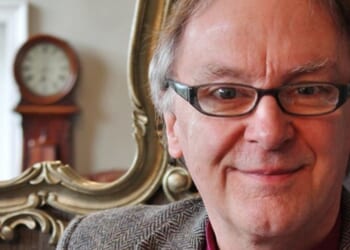
The Rt Revd Graham James is a former Bishop of Norwich.