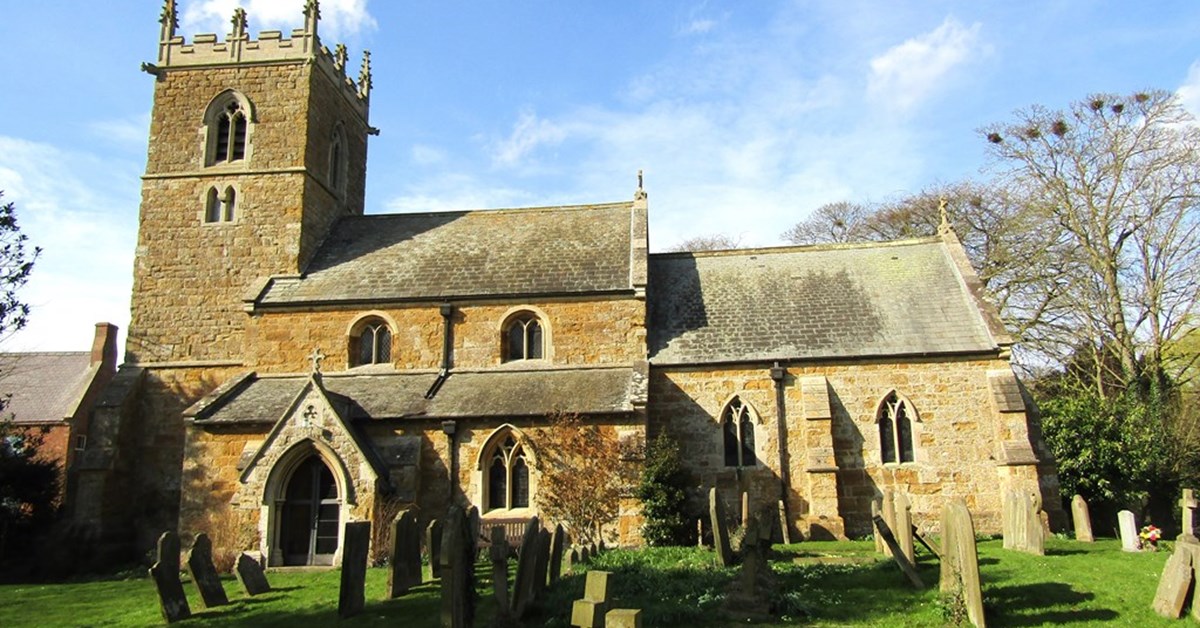
THE Consistory Court of the diocese of Lincoln has refused to grant a faculty to permit cremated remains to be interred in a grave space that would otherwise be used for the burial of bodily remains, in the churchyard of St Mary’s, Claxby.
The petition for the faculty was brought by the family of the late Stephen Cade, so that a full-sized memorial could be erected over the grave, setting out the story of the deceased’s family relationships. It was also envisaged that, at a later stage, the cremated remains of the deceased’s widow could be received into the same burial plot, and her details added to the memorial stone.
The deceased had no right of burial arising from his residence in the parish. He had links with Claxby, however, because he was born there and had lived in Claxby until he was 28. His parents were buried in the churchyard, and his two older brothers rang the bells at St Mary’s.
The diocesan Chancellor, the Worshipful Judge Mark Bishop, said that he could understand why Mr Cade and his family would wish his remains to be interred in St Mary’s churchyard. It was clear that the church community was sympathetic to that, and would wish to accommodate an interment of ashes in a plot conforming with the Churchyard Regulations.
The family’s concern was that the memorial stone would not be large enough to contain the detail that they wished to be included on it, and, for that reason, they wished the cremated remains to be interred in a grave where a full memorial stone could be erected.
The PCC had refused the application, on the basis that space in the churchyard was at a premium, and that there were only one or two spaces left. Another area had been identified for extension of the churchyard, although that had not yet happened, and the PCC was concerned about the time it would take for that to be completed and the risk of running out of grave spaces.
The Chancellor sad that he could not grant the faculty, because efficient use must be made of the land which the churchyard had for burials. If the grave spaces which were for bodily remains were used for the interment of ashes, the Chancellor said, then there would be a reduced number of available grave spaces for those who wished to have a burial. It would be unfair, he said, if the churchyard ran out of grave spaces for full burials because they had been taken up with cremated remains. Obviously, the size of a grave was much larger than the size of a space for cremated remains.
Mr Cade’s cremated remains could be interred in the churchyard of St Mary’s, but in a plot for cremated remains, the Chancellor ruled.
The Chancellor recognised that his decision would be disappointing for the family, but he hoped that they understood that he could not set a precedent for the application that they had made.