HUMAN-RIGHTS groups have welcomed the release, after Vatican mediation, of two Roman Catholic priests imprisoned in Belarus. But the groups urge continued concern for the plight of other Christian political prisoners.
“The regime sees religious organisations as a potential threat and has increased surveillance, while clerics of various Churches are more often subjected to coercive recruitment through threats and pressure,” the ecumenical Christian Vision Association said.
“Active believers are also being persecuted for their actions and words, which are interpreted by the authorities as political offences and crimes of disloyalty towards the political regime”.
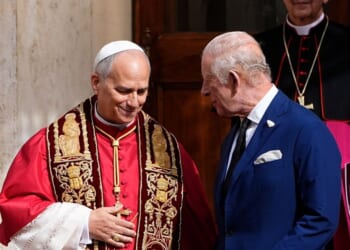
The report was published after the release in late November of Fr Henryk Okolotovich, the elderly rector of a parish in Valožyn, and Fr Andrzej Yukhnevich, the chairman of Belarus’s Conference of Major Superiors, from long prison sentences. Both are now receiving medical treatment in Rome. This followed a visit by Cardinal Claudio Gugerotti, Prefect of the Dicastery for Eastern Churches and a former Nuncio to Minsk.
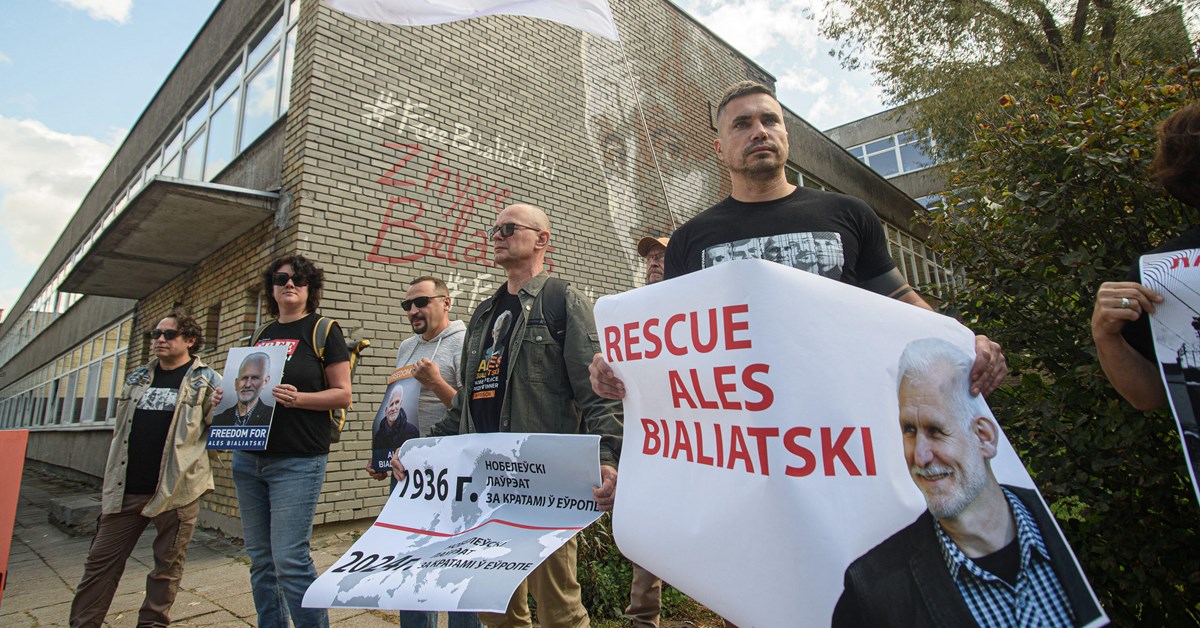
The Viasna Human Rights Centre, operating in exile from Belarus, also reported the pardoning of the priests, but said that many other Christians — including Ales Bialiatski, a Roman Catholic joint winner of the 2022 Nobel Peace Prize — continued to languish in prison.
In a statement on Monday, Viasna said that it had documented at least 7840 convictions in politically motivated criminal cases in the past five years. Of these, 37 had involved compulsory psychiatric treatment.
“The situation in Belarus is marked by relentless repression of dissidents, protest participants, journalists and human rights defenders,” the statement said. “This continued crackdown is at the core of the country’s human-rights crisis.”
In a communiqué, the Belarusian Bishops’ Conference praised the priests’ pardoning as “an expression of mercy and respect for the Pope”.
In its report, however, the Christian Vision Association said that clergy from all denominations remained “a particularly vulnerable category”, and were being constantly “checked for loyalty” through the monitoring of telephones, social networks, and public sermons and prayers.