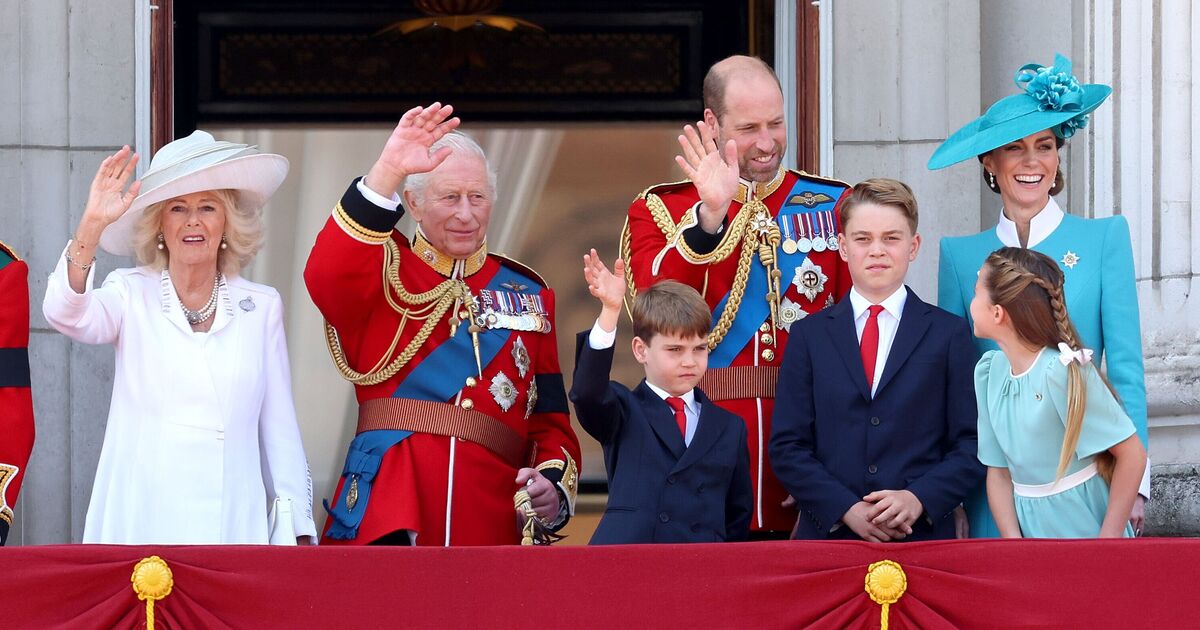
One of the greatest tools at the monarchy’s disposal is their ability to shine a spotlight on the incredible work of others – and that’s just what the likes of King Charles and Prince William continue to do on a daily basis. While many elements of how the Royal Family still operate are steeped in tradition and history, there have been several modern additions since Queen Elizabeth II’s death.
Whether that is more of a willingness to share personal views or openly tackling controversial royal relationships, such as serving notice on Andrew Mountbatten-Windsor, they are certainly moving with the times.
Speaking about how this process can continue, a leading royal expert has addressed exactly why the Firm will survive, despite its strong connection to the past.
Writing in the i Paper, former BBC royal correspondent Jennie Bond described the whole concept of monarchy as an “anachronism” but explained exactly why this trait will be key to their survival.
She explained: “Monarchy is indeed an anachronism, but, in this country at least, set against the ever-shifting background of poisonous politics, it is an anachronism that appears to work.”
Ms Bond went into detail about certain elements of royal life that she hopes will be further adapted when Prince William‘s time on the throne comes. These included visibly reducing the number of royal properties and removing the need to bow and curtsey.
While the King has already gone some way to modernise the Royal Family by streamlining the senior royals who can step in for him, taking a firmer approach with non-working royals, and giving personal updates on his health, Ms Bond feels that what distinguishes the monarchy from politics is what will guarantee its success.
While much of the monarchy’s appeal is built on magic, tradition and history, it must change with the times – and Prince William is already well on the way to doing that.
Much like his father, Prince William takes an emotive, business-like approach and likes to actively throw his weight behind a cause. This is in direct contrast to the late Queen, who preferred to remain in her role as a silent yet ever-present figurehead, supporting hundreds of different charities.
While the King certainly still holds a vast number of patronages, he has made a tangible difference in specific areas, such as helping people from underprivileged backgrounds get their lives back on track through employment and support with organisations like The King’s Trust.
Taking a leaf out of the King’s book, William is doing the same, but on an even more focused scale, by supporting a handful of causes, ranging from homelessness to the environment and the emergency services.
While the Royal Family is an old-fashioned concept by design, their willingness to move with the times while not entirely forgetting the past will be the key to their success.