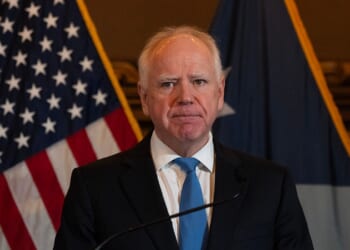
Zahra Ghanbari, captain of Iran’s women’s football team, has abandoned her application for asylum in Australia, according to Iranian state media reports from Sunday.
Her decision makes her the fifth member of the squad to reverse course on seeking refuge abroad.
Iranian news agency IRNA confirmed Ghanbari would travel from Malaysia back to her home country.
Australian authorities verified that another individual had withdrawn their asylum claim, though officials declined to name the person involved.
The development followed Saturday’s announcement that three other women had also pulled out of the process.
When the team initially accepted humanitarian visas offered by Australia, seven members chose to stay. Following this latest withdrawal, just two remain in the country as defectors.
Human rights activists have alleged that the women faced coercion to abandon their asylum claims through intimidation targeting their relatives back home.

Zahra Ghanbari, captain of Iran’s women’s football team, has abandoned her application for asylum in Australia, according to Iranian state media reports from Sunday
|
GETTY
Shiva Amini, a former Iranian national futsal player now living in exile, stated she had obtained information about coordinated efforts by Iranian authorities.
She claimed Iran’s Football Federation had collaborated with the Islamic Revolutionary Guard Corps to apply “intense and systemic pressure on the players’ families in Iran”.
“Several of the players decided to go back because the threats against their families became unbearable and the intimidation was relentless,” Amini wrote on X on Sunday.

Human rights activists have alleged that the women faced coercion to abandon their asylum claims through intimidation targeting their relatives back home
|
GETTY
The three women who withdrew their applications on Saturday were identified by diaspora human rights activists as Zahra Soltan Meshkehkar, Mona Hamoudi and Zahra Sarbali.
Australia’s home affairs minister Tony Burke defended his government’s handling of the situation, stating officials had done everything possible to offer the women a secure future.
“Australians should be proud that it was in our country that these women experienced a nation presenting them with genuine choices and interacted with authorities seeking to help them,” Burke said.
He acknowledged the government could not control the circumstances influencing the players’ decisions.
Minister Kristy McBain rejected Iranian characterisations of events as “propaganda”, insisting the government had been transparent about its efforts.
Iranian state media portrayed the returns triumphantly, with IRNA describing Ghanbari as “returning to the embrace of the homeland” and the semi-official Mehr news agency labelling her choice a “patriotic decision”.

Conflict remains ongoing in the Middle East
|
GETTY
Iran’s sports ministry declared that “the national spirit and patriotism of the Iranian women’s national football team defeated the enemy’s plans”.
The controversy surrounding the team began on 2 March when players refused to sing Iran’s national anthem before their opening Asian Cup fixture against South Korea.
Their silence prompted fierce condemnation at home, with the women branded “wartime traitors” and facing demands for severe punishment.
The squad subsequently performed the anthem during their remaining two matches before elimination from the tournament, prompting observers to suspect government officials travelling with the team had instructed them to comply.
Most Iranian players departed Australia on 10 March, two days after their cup exit.
The sequence of events has played out amid heightened regional instability, with US-Israeli military strikes on Iran triggering retaliatory attacks across the Middle East.