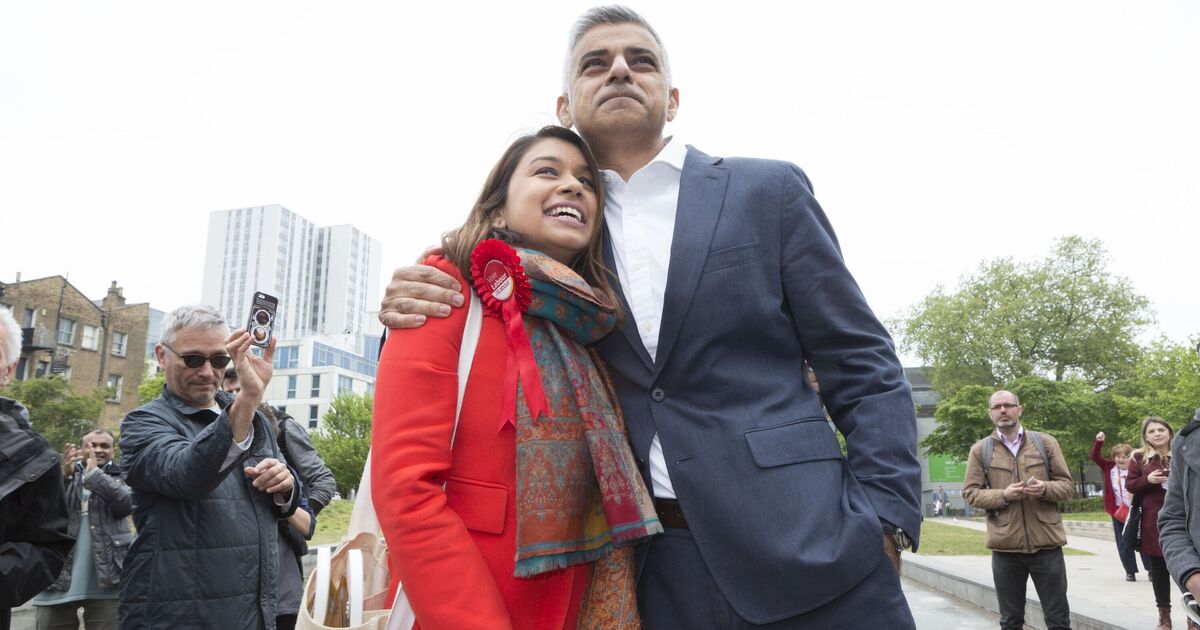
Tulip Siddiq has been sentenced to two years in prison on Monday by a court in Dhaka for her role in a corruption case linked to a government land project. The court found that Labour MP Siddiq had improperly influenced her aunt, ousted Prime Minister Sheikh Hasina, to secure a plot of land for her mother, Sheikh Rehana, who received a seven-year prison term as the main figure in the case.
The case centered on the Purbachal New Town project, a government development in a Dhaka suburb. Siddiq, who represents Hampstead and Highgate in the UK Parliament, has denied all allegations. Hasina, meanwhile, was sentenced to five years in absentia, having been in exile in India since being removed from power last year.
Despite the two-year prison sentence, Siddiq is extremely unlikely to serve any time in Bangladesh. She has been based in London throughout the trial, which has been conducted entirely in her absence.
She strongly denies all allegations, including claims that she improperly influenced her aunt, ousted Prime Minister Sheikh Hasina, to secure a plot of land for her family.
The trial has been criticised by a group of senior UK lawyers, including former justice secretary Robert Buckland and former attorney general Dominic Grieve, who argued that Siddiq was denied proper legal representation and that the proceedings were “artificial and contrived.”
Siddiq’s legal team also disputes her status as a Bangladeshi citizen, noting that she has not held a Bangladeshi passport since childhood and has never had a voter ID or official ID card.
Siddiq’s legal team also disputes her status as a Bangladeshi citizen, noting that she has not held a Bangladeshi passport since childhood and has never had a voter ID or official ID card. This undermines the practical enforceability of the sentence.
Bangladesh does not have an extradition treaty with the UK, and the country is classified as a “2B” jurisdiction, meaning extradition would require incontrovertible evidence and formal legal proceedings.
Even if an arrest warrant exists in Bangladesh, the UK has no obligation to compel Siddiq to return. She also continues to face multiple ongoing trials and investigations in Bangladesh, but these, too, are unlikely to affect her ability to live and work in the UK.
Her resignation from her ministerial role in January was framed as a precaution against reputational risk, not an admission of guilt, and Prime Minister Sir Keir Starmer’s ethics review found no evidence of wrongdoing.
As a result, while the verdict carries symbolic weight, it is effectively unenforceable in practice.
Hasina was sentenced to death in November for crimes against humanity involving the crackdown on the mass uprising that ended her 15-year rule last year. She lives in exile in India, and all of her trials have been conducted in absentia.
She and the others in the case decided that Monday did not appoint any defence lawyers to represent them.
Rehana is staying outside the country and Siddiq’s two siblings are also abroad as they face other charges involving last year’s uprising.
In three separate cases involving the same township project, a separate court on November 27 sentenced Hasina to 21 years in jail. Hasina’s son and daughter were also sentenced to five years in jail each by the court in that case.