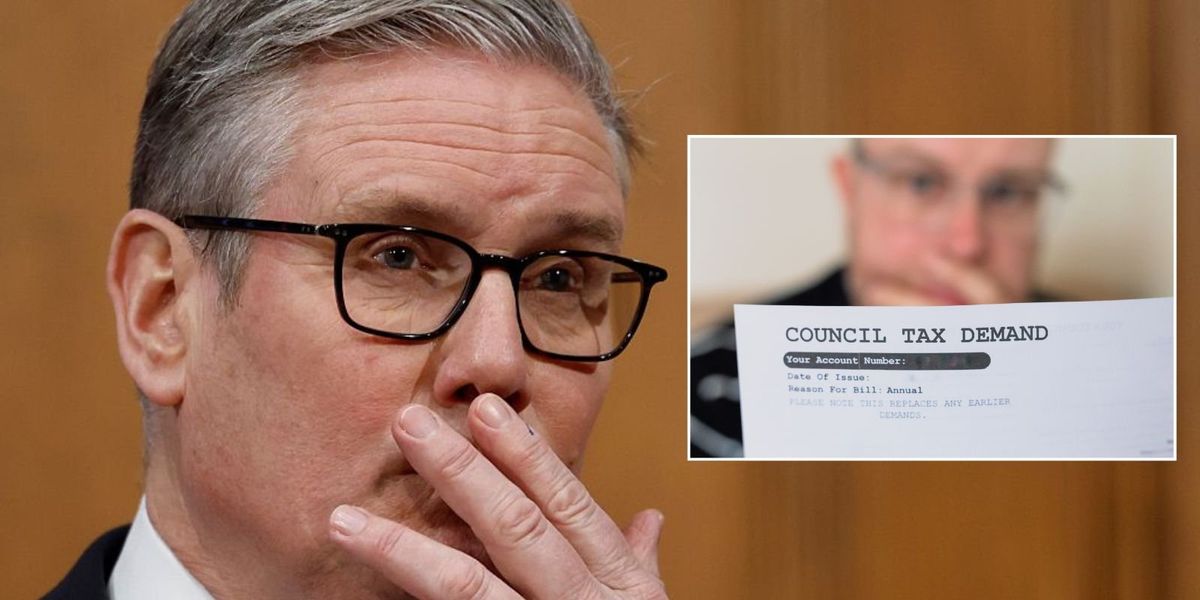
A leading debt charity has urged Labour to scrap the threat of imprisonment for unpaid council tax as millions of households prepare for bill increases in April.
StepChange released new findings showing significant variation in how councils communicate with residents who fall behind on payments.
The report, titled Clear, Fair, Understandable, found around one in 20 councils mention the possibility of prison in their first letter to households who miss a single payment.
The charity said this approach risks alarming people who cannot afford to pay rather than targeting those who deliberately avoid payment.
StepChange said collecting council tax remains essential to fund local services. Imprisonment for non-payment is rarely used, with four people jailed since 2020.
The sanction applies only in England and is reserved for cases involving “wilful refusal” or “culpable neglect” to pay.
During the same period, courts issued 143 suspended sentences.
Peter Tutton, director of policy, research and public affairs at StepChange, said: “The use of imprisonment for council tax debt is outdated and should be abolished.”

StepChange calls for end to council tax prison threat as households face April bill rises
|
GETTY
The charity’s research also found more than a third of councils in England and Wales refer to enforcement action or debt recovery measures in their first letter after a missed payment.
By the final stage of correspondence, half of councils include such warnings.
StepChange also raised concerns about the use of red font in collection letters, which it said can increase anxiety among recipients.
One man shared his experience with the charity, describing how he had been skipping meals to pay bills when he received a liability order.

Council tax will go up across the country
|
GETTY
He said: “As a disabled person, it left me feeling incredibly vulnerable when all I wanted was to be treated fairly and with compassion.”
StepChange said threatening language in letters can be counterproductive, as some recipients may ignore correspondence altogether, including information about available support.
The report stated: “Walking the tightrope of providing guidance to residents and recovering council tax arrears to fund essential local authority services is no doubt difficult.”
It also questioned whether councils provide enough flexibility to allow repayment plans that avoid worsening financial hardship.
The charity highlighted examples of more supportive communication, including one council which told residents: “Don’t worry, we can get you back on track”.

The charity asked for kinder forms of communication
|
GETTYThe Local Government Association said councils must balance tax collection with supporting vulnerable residents.
A spokesman said: “Councils have a duty to their residents to collect taxes so important services, like caring for older and disabled people, protecting children, collecting bins and fixing roads are not affected.”
“They strive to recover unpaid tax as sympathetically as possible and to provide support to households at risk of financial exclusion or hardship.”
Local authorities across England and Wales are expected to confirm new bill levels in the coming days ahead of April changes.
Council tax systems in Scotland and rates in Northern Ireland operate under separate arrangements.