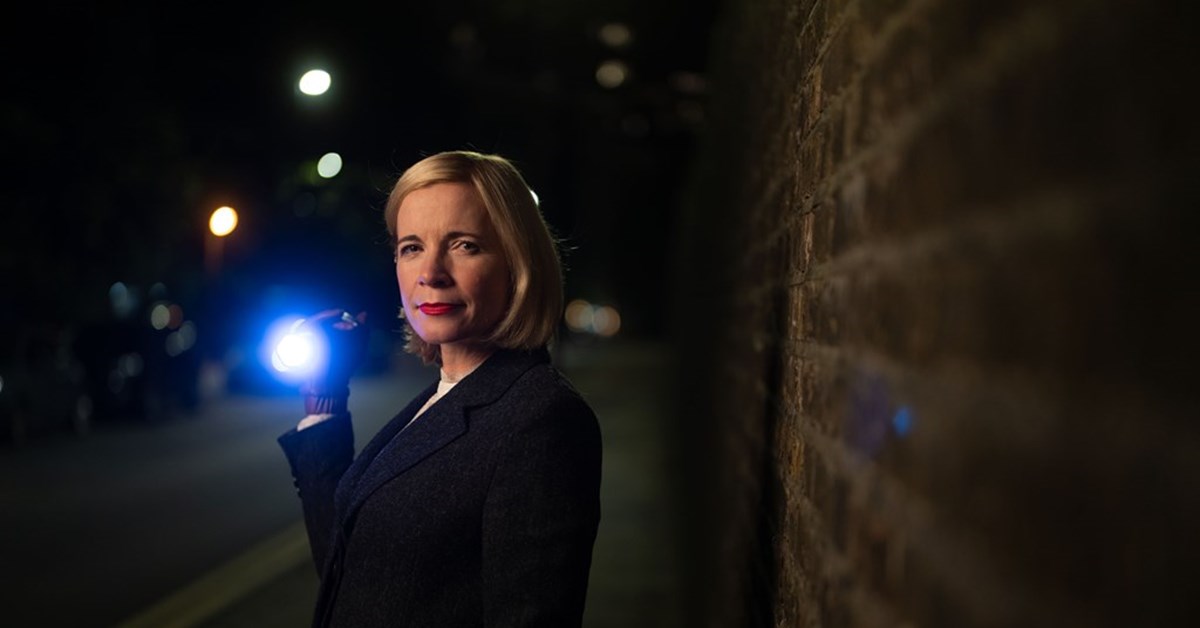
LUCY WORSLEY’s Victorian Murder Club (BBC1, 5 January) is a new three-part series, presented by the ever popular historian. The title hints that this might belong to the genre of cosy crime, but there is nothing homely about the subject matter.
It is an investigation of the crimes of a serial killer in Victorian London: the unsolved murders of nine women, whose bodies were dismembered and dumped in or near the Thames. Assisted by psychologists, researchers, writers, and historians, Dr Worsley and her murder club scour the police files and other primary sources for evidence that may have been missed or misinterpreted.
The details of the murders are grim indeed; so any cosiness or levity is achieved through the involvement of Dr Worsley herself, thanks to her reassuring warmth. Some of the narration is too hammy for words, but the programme is redeemed (at least for me) by Dr Worsley’s wardrobe, which is heavy on Victorian lace blouses, teamed with a buttoned-up overcoat and a Gladstone bag, making her resemble a stylish steampunk Mary Poppins.
The concept of a murder club may seem contrived, perhaps piggybacking on the hugely successful novels by Richard Osman; but the idea has far older roots — which Dr Worsley wrote about in her 2014 book, A Very British Murder.
One of the members of the club is Dr Kate Lister, a historian of sexual behaviour and women’s rights. Like the other female club members, she offers a unique perspective on the victims, one that wouldn’t have been available when the murders were originally being investigated by an all-male Scotland Yard, in a period with very different attitudes to women. This is the programme’s biggest asset: an all-female club investigating the murders of long-lost women and refusing to allow them to be forgotten.
A programme that truly embodies the cosy-crime genre is Grantchester (ITV1, Wednesday), returning for a new series. Just like Murder Before Evensong, written by Richard Coles, although pre-dating it by some years, Grantchester includes a vicar-and-detective duo, working together to stem the flow of unfeasibly high crime in their rural setting.
Originally based on the novels by James Runcie, this tenth series is entirely written for television, and includes the Revd Alphy Kottaram (played by Rishi Nair), who first appeared in series nine, alongside Robson Green’s Geordie detective. Just like the supermarkets in January, the series begins at Easter time: a character bemoaning the commercialisation of the season. Plus ça change.
This is perfect TV for this time of year. The sets and costumes reference a 1960s rural idyll that probably didn’t exist, but, combined with endearing characters and a light touch, this makes for genuinely cosy viewing.